Luton van camper conversion for sale
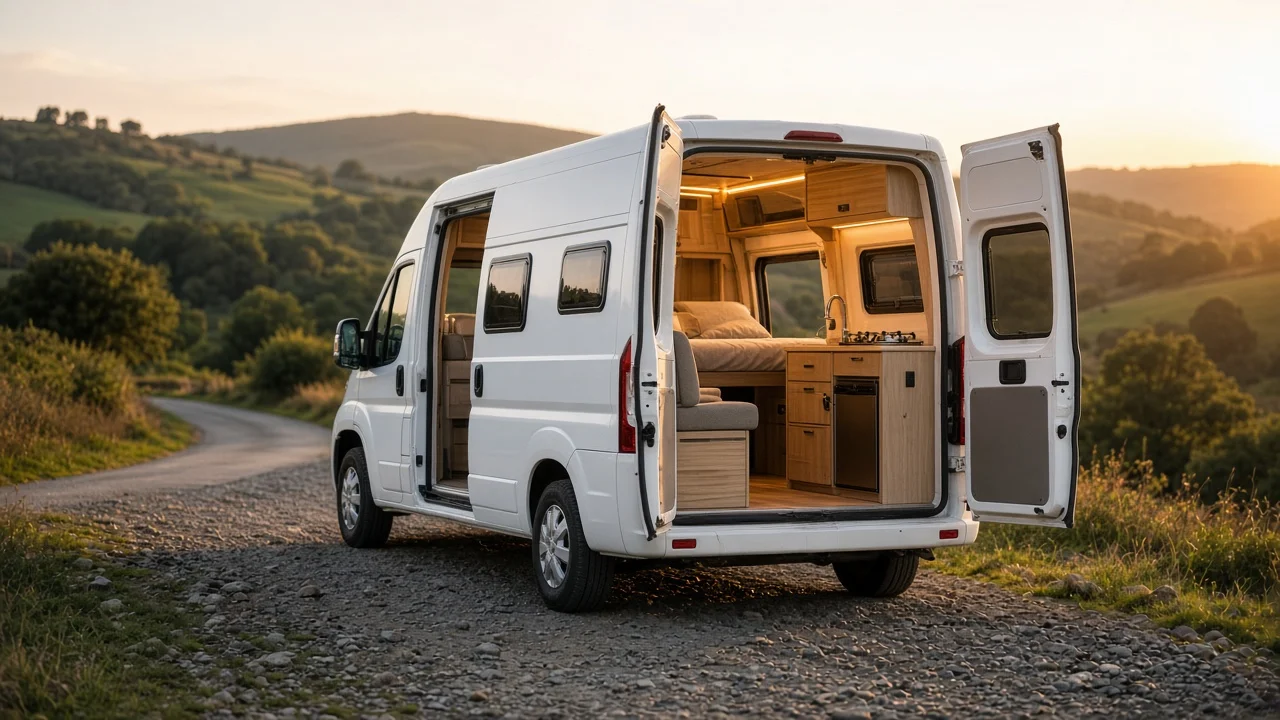
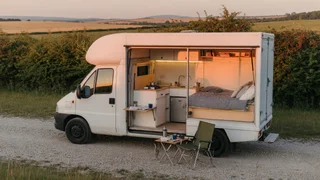
A Luton van camper conversion for sale raises questions that go well beyond the asking price. The over-cab box adds useful sleeping or storage volume, but it also changes weight distribution, height clearance, and how the vehicle behaves on the road. Buyers should treat the conversion as a combined automotive and living-space purchase. Checking vehicle condition, ownership documents, service records, inspection findings, and the terms of a purchase agreement helps separate a sound build from one that will require immediate repairs. Understanding the market specification and how the conversion was executed gives you a realistic basis for comparing listings and negotiating.
The direct answer
The direct answer is that a Luton van camper conversion for sale should be evaluated primarily as a used commercial vehicle with a modified body, not as a finished recreational product with predictable factory standards. The most important condition is whether the base van and the conversion structure are both sound. A low asking price means little if the over-cab section leaks, the floor fixings have corroded, or the vehicle lacks clear ownership documents and service records. Buyers should therefore require evidence of the base van’s maintenance history and a close look at how the conversion was attached and sealed.
What materially changes the answer is the quality of the conversion work and the regional market specification. If the Luton body was professionally fitted and the vehicle has a complete service history, the listing may be a practical purchase. If the conversion shows signs of amateur framing, unexplained wiring, or damage around the cab-to-box joint, the value drops quickly. Inspection findings should guide any decision, and the purchase agreement should reflect condition disclosures. Without that, a buyer is accepting unknown repair exposure rather than buying a usable camper.