Longest-Range EVs in the US: EPA Ratings and 500-Mile Claims
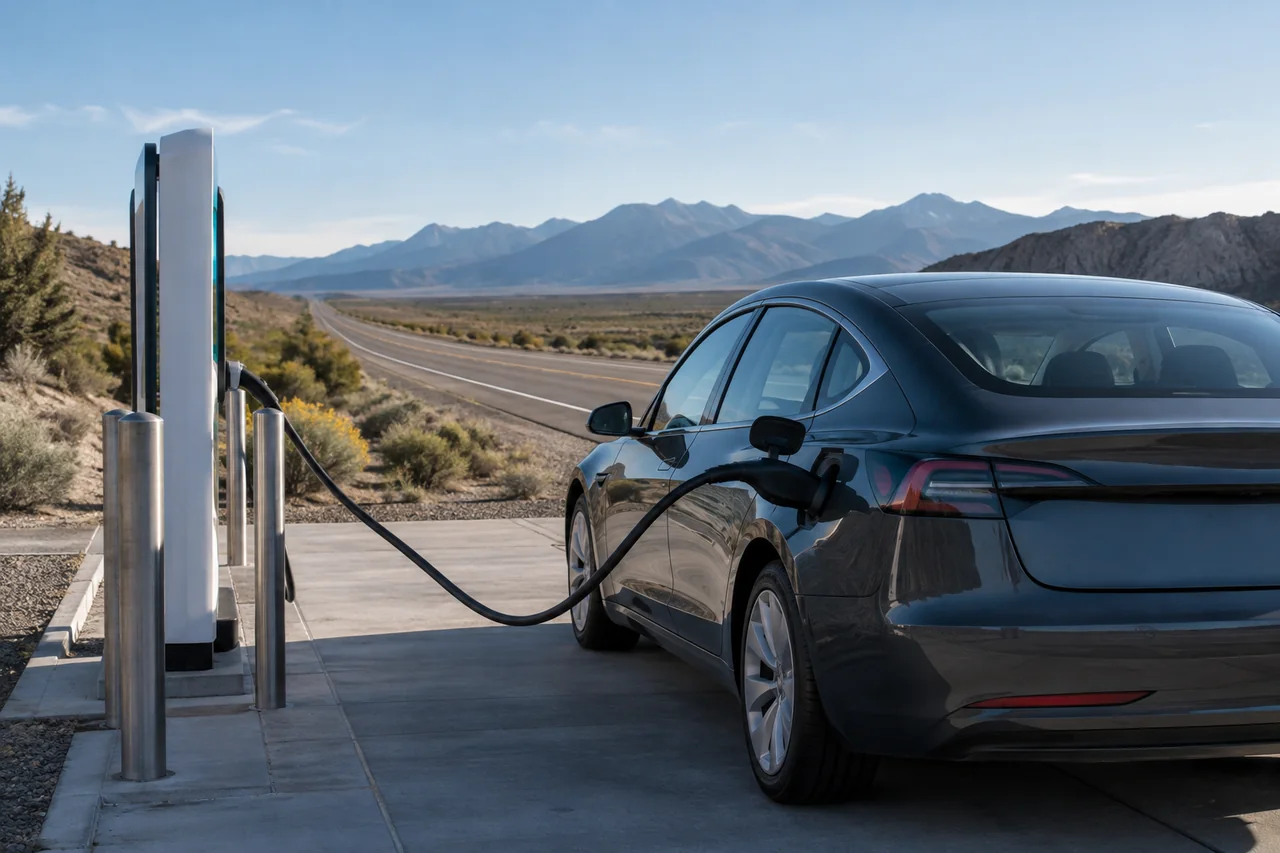
Range is still one of the first numbers shoppers compare when choosing an electric vehicle, but the headline figure only tells part of the story. This guide ranks long-range EVs by their EPA combined rating and explains how those ratings attach to specific configurations. It also separates verified US numbers from the 500-mile, 600-mile and 1,000-kilometer claims that come from other markets, other test cycles and prototype drives.
The Longest-Range EVs Available in the US
The top spot on an honest range ranking belongs to one precise configuration rather than a model name. That means a specific model year, trim, battery pack, motor layout and wheel size that together earned the highest EPA combined rating. The leaders have tended to be premium sedans, where a low, slippery body and relatively narrow tires let a large battery go further. On the same car, switching to larger optional wheels or adding a second motor can noticeably lower the rating, so the configuration matters as much as the badge.
Below the leader, the ranking descends by EPA combined miles. Vehicles with identical ratings are listed as ties instead of being separated by marketing preference. Only production battery-electric vehicles that US buyers can actually order or buy at the ranking's stated date are eligible. Announced models, preproduction units and prototypes stay off the list, however impressive their claims. Sedans, SUVs and pickups compete on the same scale. Plug-in hybrids are excluded because their combined gasoline-and-electric distance measures something different from battery-only range.
How to Read the EPA Range Chart
Each row in the chart shows a rank, the vehicle, its model year, the qualifying configuration and the EPA combined range in miles. The configuration column deserves the closest reading. A model's maximum rating belongs to one version only, and a dual-motor variant, smaller battery or sport package with the same name may be rated well below it. When a model comes in several trims, the ranking uses its highest eligible rating so every entry is judged the same way. Any manufacturer estimate still waiting for an official EPA figure is labeled as such.
The EPA number is a standardized estimate. It comes from laboratory drive cycles that blend city and highway driving, adjusted to better reflect real-world use. It works well for comparing vehicles under identical assumptions, but it doesn't guarantee how far a particular car will go. Sustained freeway speeds, cold mornings, heavy loads, mountain passes and battery aging all change the result. Treat the chart as a way to compare vehicles with each other, not as a promise about any single trip.
What High, Maximum, and Long Range Actually Mean
No regulator or industry body sets a mileage threshold at which an EV counts as high range or long range. The labels shift as the market improves, and a range that seemed generous a few years ago may now sit in the middle of the pack. It also helps to separate trim names from measurements. When a manufacturer calls a version Long Range, it is naming a product tier, usually one with a bigger battery. It isn't certifying that the car goes farther than its competitors or reaches any set distance.
Maximum range is just as slippery. It can mean a model's best-rated configuration, the estimate shown when the car is in an efficiency-focused driving mode, or a claim that holds only under specific test conditions. Behind every version are two quantities. Usable battery energy is the part of the pack the software actually lets you draw, and energy consumption is how much the vehicle uses per mile. Battery size alone can't predict range, because a heavy, boxy vehicle with a big pack can go less far than a lighter, more aerodynamic one with a smaller pack.
Can an EV Really Travel 500 Miles on a Charge?
A verified EPA rating of 500 miles or more has been rare among US production EVs. It has been limited to a few premium sedan configurations that combine large packs, low drag and modest wheel sizes. Because trims and ratings change between model years, check current holders on the vehicle's window label. Even where such a rating exists, it describes a standardized test result, not a promise that every journey will stretch that far. Treat 600-mile figures with even more caution, since they usually come from more generous test cycles or from announcements.
Whether a particular trip reaches 500 miles depends on conditions the test can't capture. Aerodynamic drag rises sharply with speed, so steady freeway cruising often uses more energy than mixed driving. Cold weather reduces battery efficiency and adds cabin heating load. Heavy air conditioning also draws power, climbing to high elevation costs energy, and headwinds act like extra speed. A practical leg also depends on your starting charge, planned charging stops and the reserve you keep for arrival. Deliberately driving until the battery is empty to prove a number risks stranding you and tells you little.
Understanding 600-Mile and 1,000-Kilometer Claims
Claims about the world's longest-range EV only mean something when they name the test cycle, the exact configuration and whether the car is in production. Figures from China usually cite the CLTC, a low-speed cycle that tends to give higher numbers than Europe's WLTP. WLTP in turn usually reads above EPA results for the same car. No fixed formula converts one to another, because the gaps vary with vehicle design. Some headline numbers come from demonstration drives rather than any formal cycle, which makes them even harder to compare.
Mercedes has publicized long single-charge drives with concept and test vehicles. Judge those results by their conditions, route and speeds, and remember that the cars weren't production models customers could buy. Converting units doesn't change this. A thousand kilometers is roughly 621 miles, but a WLTP or demonstration figure is still a WLTP or demonstration figure after conversion. Apply the same discipline to solid-state battery announcements. Projected ranges for vehicles still in development are goals, not ratings, until a car customers can buy earns an official number.
Planning Everyday Trips With a Long-Range EV
For most owners, rated range matters less as a headline than as a buffer around daily habits. If you drive moderate daily distances and charge at home, you start most days at a full or preferred charge level. For you, a very long rating mostly pays off on occasional road trips. When you plan those trips, assume that weather, terrain, cargo and passengers will cut the usable distance. Check that chargers along the route are reliable and powerful enough instead of counting on the full EPA figure for every leg.
Charging time depends on how much energy you arrive with, how warm the battery is, the charger's output and the vehicle's charging curve, which usually slows as the pack fills. Arriving at a low but safe charge and leaving well before full often saves time compared with charging to full. Before an unfamiliar trip, check the range label for your exact configuration. Then use the vehicle's built-in route planner, which on many models can warm the battery for fast charging. Set an arrival reserve that leaves room for detours.