Longest-Range Electric SUVs: Ratings, Seating, and Everyday Range
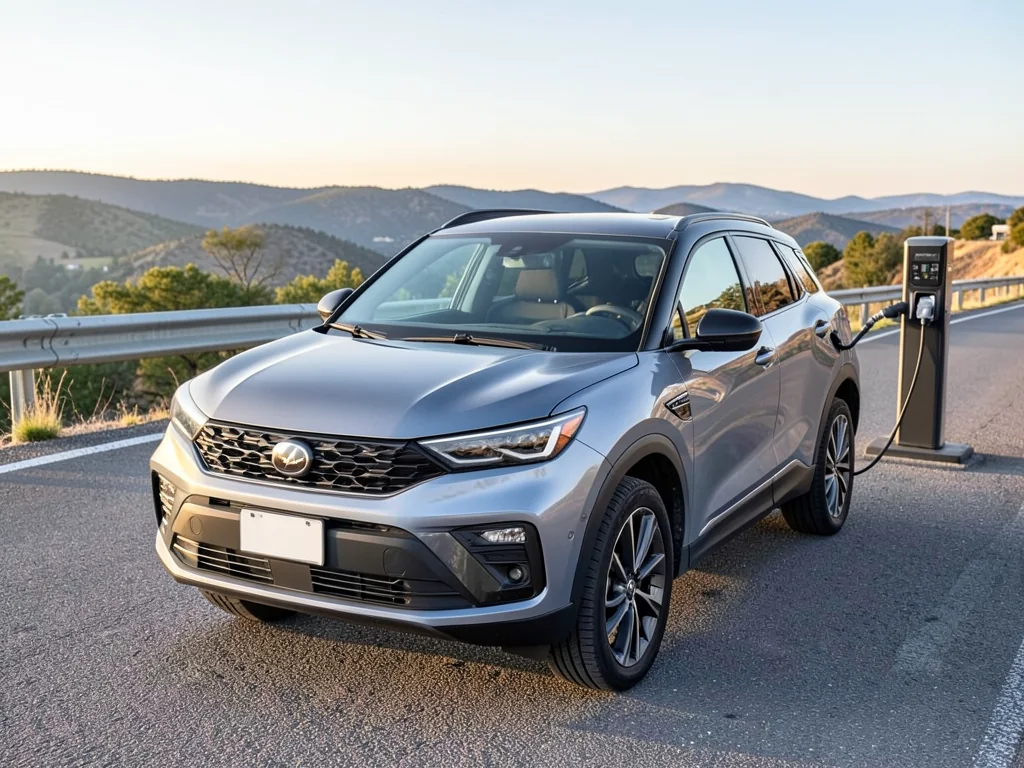
Shoppers looking for an EV SUV with the longest range usually want a battery-electric crossover that can cover daily driving and highway trips with fewer charging stops. EPA-estimated range is the consistent U.S. yardstick for comparing compact, mainstream, and luxury electric SUVs, but the highest figure belongs to a specific trim, battery pack, drivetrain configuration, and wheel size. Pickup trucks, sedans, and plug-in hybrids sit outside this guide.
Electric SUVs With Long-Range Ratings
The question of which EV SUV has the longest range is answered by published EPA labels, not marketing claims. A useful reference orders eligible U.S.-market battery-electric SUVs and crossovers by that EPA-estimated range, listing the model year, trim, battery configuration, drivetrain, and wheel specification tied to each figure. That ranking is a configuration list, not a verdict on the best long range EV SUV overall. Sedans, pickups, plug-in hybrids, and unverified manufacturer targets do not belong on it.
An SUV EV with the longest range on a window sticker almost always uses the largest usable battery capacity, the more efficient drivetrain configuration, and smaller wheels. All-wheel drive, performance hardware, and larger wheel packages typically reduce the same model's EPA-estimated range. Shoppers comparing EV SUVs with longest range should match the label to the version they would order; a dual-motor luxury trim and a rear-drive long-range pack can sit many miles apart under one nameplate.
What Is Confirmed for 2026 and 2027
A longest range EV SUV 2026 listing is only as reliable as that model year's U.S. specifications and published EPA ratings. Some 2026 electric SUVs already carry finalized labels; others remain in the announcement stage, where a manufacturer range target is not an EPA-estimated range. Treat those as separate groups. Carry-forward from a prior year is not a substitute when a requested model-year rating has not been published.
Interest in the longest range EV SUV 2027 often tracks concept photos and production calendars rather than window stickers. Announced 2027 vehicles and manufacturer range targets should stay off any rated list until EPA figures exist for a U.S.-bound configuration. Production timing also does not prove current U.S. retail availability; a plant start date can precede dealer inventory, federal certification, and the specific wheel and drivetrain combo that produces the advertised EV SUV range.
Luxury Electric SUVs With Long-Range Configurations
A luxury EV SUV with the longest range is still a particular configuration, not a class ranking. Luxury and elite are shopping language for materials, ride isolation, and brand positioning, not official EPA categories. When a luxury elite EV long range package is advertised, the verified figure belongs to that battery, motor layout, and wheel specification. Comfort and charging-stop planning matter on a long trip, yet neither converts a range rating into an overall quality score.
On luxury crossovers, large wheel packages, performance tires, and dual-motor or tri-motor drivetrains often trade highway efficiency for grip and acceleration, lowering EPA-estimated range versus a calmer long-range setup on the same platform. Usable battery capacity still sets the ceiling. Cargo needs and seating comfort should be checked against the range-bearing trim, because air suspension, panoramic glass, and extra climate zones add mass and electrical load without appearing as a separate range class.
Compact and Mainstream Electric SUV Options
Compact electric SUVs here means smaller two-row crossovers intended for urban parking and lighter cargo, while mainstream covers midsize family SUVs that are neither entry-compact nor luxury-flagship. A small EV SUV with longest range can outdistance a larger crossover if it pairs a sizable pack with strong highway efficiency. Exterior size alone cannot establish EV SUV range; usable battery capacity, aerodynamics, mass, and drivetrain configuration decide the EPA-estimated range.
For compact entries, two-row seating and a modest cargo well behind the second row are typical, so a weekend bag set may fit while a stroller and luggage load may not. Mainstream models often add more rear-seat space without automatically adding three-row seating. Before choosing the best EV range SUV in these groups, confirm that the range-bearing trim still parks where you live, seats the usual passengers, and swallows the luggage you actually carry, not just the longest-range window sticker.
Which Configurations Meet 300- and 400-Mile Ratings
An EV SUV with 300 mile range, or a 300-mile range on the EPA label, is a configuration whose official estimate is at least 300 miles, not a rounded marketing number. An EV SUV with 400 mile range is the stricter subset at or above 400 miles; those vehicles also meet the 300-mile threshold, so the groups overlap by design. Exclude unconfirmed targets and models that reach a threshold only after rounding; use the exact qualifying rating on the label.
A full-charge rated distance is not the same as a dependable stretch between highway charging stops. Trip planning should assume a starting charge below 100 percent, an arrival charge reserve at the next stall, weather, speed, and elevation. Cold-weather range and high-speed highway efficiency both shrink the usable window compared with the sticker. Whether a 300- or 400-mile rating suits a planned trip depends on those conditions, not on the headline for the highest range EV SUV alone.
Planning Range Around Two or Three Rows
Three-row seating appears on some electric SUVs and not on others, and it is not guaranteed across every trim of a nameplate. Two-row layouts remain common on compact and many luxury crossovers, while some mainstream and large luxury SUVs offer a third row on selected configurations. Row count alone does not predict range. Occupied seats, cargo mass, and accessories change energy use even when EPA-estimated range was measured with a lightly loaded vehicle.
With all rows occupied, cargo often moves to a shallow well or to the roof, and roof boxes increase drag that highway efficiency ratings do not fully capture. Passengers and luggage still draw from the same usable battery capacity. For a family trip, map the realistic route with the expected load, plan charging stops that leave an arrival-charge buffer, and confirm the third-row configuration is the same one that carries the long-range rating you are counting on.
What Shapes Electric SUV Range on the Road
EPA-estimated range is a standardized laboratory result used for comparison, not a guarantee of distance on a particular drive. Sustained highway speed, cold temperatures, cabin heating or cooling, elevation changes, headwinds, and towing all increase energy use. Cold-weather range is especially sensitive because the pack is less willing to deliver power and the cabin needs heat. Towing and roof loads add both mass and drag. Those effects do not collapse into one percentage that fits every long range EV SUV.
Charging speed, stall access, and the usable charging window shape a trip independently of the full-charge rating or claims about the EV SUV with best range. Battery preconditioning can help the pack accept a faster highway charge in cold weather, but it uses energy and still depends on the network you can actually reach. A practical sequence is to confirm the configuration, enter the route, account for weather and speed, choose charging stops, and keep an arrival-charge reserve rather than emptying the battery.