Longest-Range Electric Pickup Trucks Explained
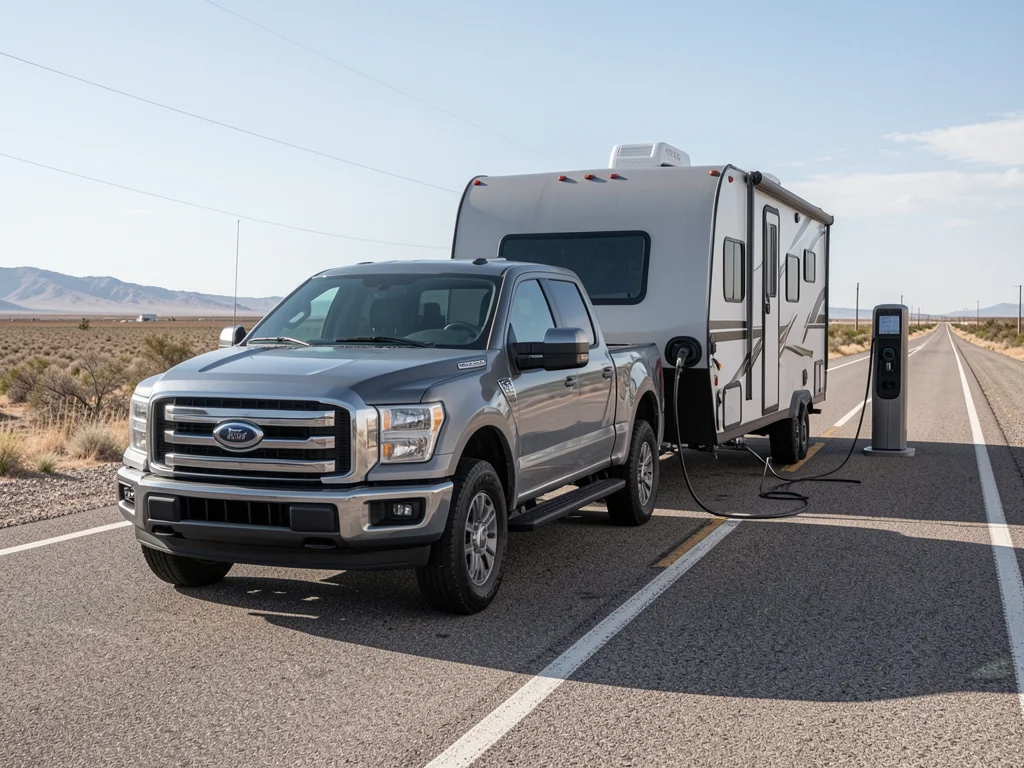
Shoppers comparing a long range EV truck often ask which model has the longest range, but the answer depends on configuration, battery pack, and test standard. Range estimates are useful for comparison, yet they do not predict every trip. Understanding how energy use changes with speed, load, and weather helps drivers turn a rated figure into a realistic travel plan.
What a Longest-Range Electric Pickup Claim Actually Means
A longest-range electric pickup claim applies to one specific build: a particular model year, battery pack, drivetrain, wheels, and tires. The same model name on a different trim can have a much lower EPA-estimated range. For example, an extended-range battery pack may be paired with only certain wheel sizes, and choosing a different wheel and tire combination can alter the rating. The advertised figure also comes from a standardized test procedure, not a real-world route with hills, wind, or temperature changes.
Identifying an absolute range leader requires dated, configuration-specific evidence. A manufacturer may announce a preliminary target before official validation, and a newer model year can revise the estimate as testing methods or available options change. Rather than seeking a universal winner, compare the quoted range for the exact truck configuration you would buy. Check whether the figure is an official EPA estimate or a manufacturer projection. Without that context, a high number may not translate to more miles in your driving.
Turn Rated Range Into a Practical Driving Budget
Rated range can be turned into a practical driving budget by relating usable battery energy to consumption. If a truck has a 100 kWh usable battery and uses 2 miles per kWh under your typical conditions, the energy would cover about 200 miles. However, the distance between charging stops depends on how much of that energy you use. Starting at 90% and planning to arrive at 10% leaves about 80 kWh available, reducing the leg to roughly 160 miles at the same consumption rate.
The dashboard range estimate is a forecast based on recent driving, not a fixed allowance. After a stretch of highway driving into a headwind, the estimate will drop and may not recover immediately when conditions ease. Drivers should plan a route around their actual highway trips and known charging access, treating the full rated range as an upper boundary. Build in a buffer for detours, weather, and unexpected consumption rather than aiming to arrive with almost no charge.
Understand What an Extended-Range Battery Pack Includes
Extended-range battery pack labeling is manufacturer-specific and does not indicate a standardized capacity or mileage. One automaker may use the term for a pack that adds 40 miles over the base version, while another may use it for a substantially larger pack. The name alone does not tell you how far the truck will travel. It also does not guarantee compatibility with every trim or wheel option, so the range claim must be tied to the exact configuration being sold.
Extended-range does not mean the truck uses an onboard engine or generator to supply energy; that is a different vehicle architecture, sometimes called a range extender. An extended-range battery pack is simply a larger energy storage unit. When comparing, look at usable battery capacity rather than total capacity, since some energy is reserved to protect the battery. That usable figure, combined with real-world consumption, is the basis for planning a trip. Vehicle-specific confirmation of range, charging specifications, and payload rating remains necessary.
Why Towing and Payload Change Electric Truck Range
Towing increases energy consumption mostly through aerodynamic drag. A trailer acts as a large, often blunt extension behind the truck. At highway speeds, the wake and frontal area of the trailer can demand far more power than the trailer's weight alone suggests. A tall enclosed trailer with a flat front may reduce range substantially even if it is lightly loaded, while a low, narrow trailer may have less effect. Speed magnifies the difference because aerodynamic forces rise sharply with velocity.
Payload weight affects acceleration and climbing energy but is not the whole story. Extra mass requires more energy to speed up or to gain elevation. However, that energy is partially recovered during braking or descent. Weight alone cannot predict range loss because speed, grade, wind, temperature, and trailer design all interact. There is no universal percentage for towing range reduction. A driver should observe consumption during a representative trip with a safely loaded trailer, staying within all weight ratings and keeping a charging reserve.
Account for Speed, Weather, Terrain, and Accessories
Sustained highway speed and headwinds greatly increase aerodynamic energy demand. The power required to overcome air resistance grows with the square of speed, so a small increase in cruise speed can reduce range noticeably. A headwind has the same effect as driving faster through still air. Accessories such as roof racks, large mirrors, or a cargo box mounted above the bed also add drag and can change highway consumption by a meaningful amount.
Cold conditions affect range through cabin heating, battery temperature, and air density. The battery may need to be warmed to accept fast charging, and energy used for defrosting or heating seats is not available for propulsion. However, the penalty varies with temperature, trip length, and whether the truck is preconditioned. Elevation changes also matter: climbing uses energy, and regenerative braking recovers only part of it on the way down. Tire pressure within the manufacturer's range, tire choice, and cargo shape can further shift consumption.
Plan Charging Stops Around the Truck and Its Load
A practical charging leg is based on the chosen charge window and arrival reserve, not the full rated driving range. Many drivers prefer to charge from around 10% to 80% because charging slows at high states of charge. That window may use only 70% of the battery's usable energy, making the leg much shorter than the rated range. The arrival reserve you select adds another buffer, so the distance between charging stops may be 40% or more below the advertised maximum.
Stop duration depends on battery temperature, current state of charge, charger output, and the vehicle's charging curve. A high peak power rating does not mean the truck sustains that rate for the whole session. Cold batteries may start slowly until warmed, and charging slows as the battery fills. Route planning must also consider connector compatibility, station availability, and whether the charging site can be entered with a trailer attached. After observing real consumption, reassess the next leg and add reserve in areas with sparse charging.