LMM Duramax Glow Plug Control Module Location (2008)
If your 2008 Duramax is slow to start in cold weather or has stored a glow plug code, the glow plug control module is often the next part you need to find. The 2008 model year uses the LMM version of the 6.6-liter diesel, and its module is easy to miss from above the engine. This guide explains where to look, how the system works, and what to check before buying parts.
Where the module sits on a 2008 LMM
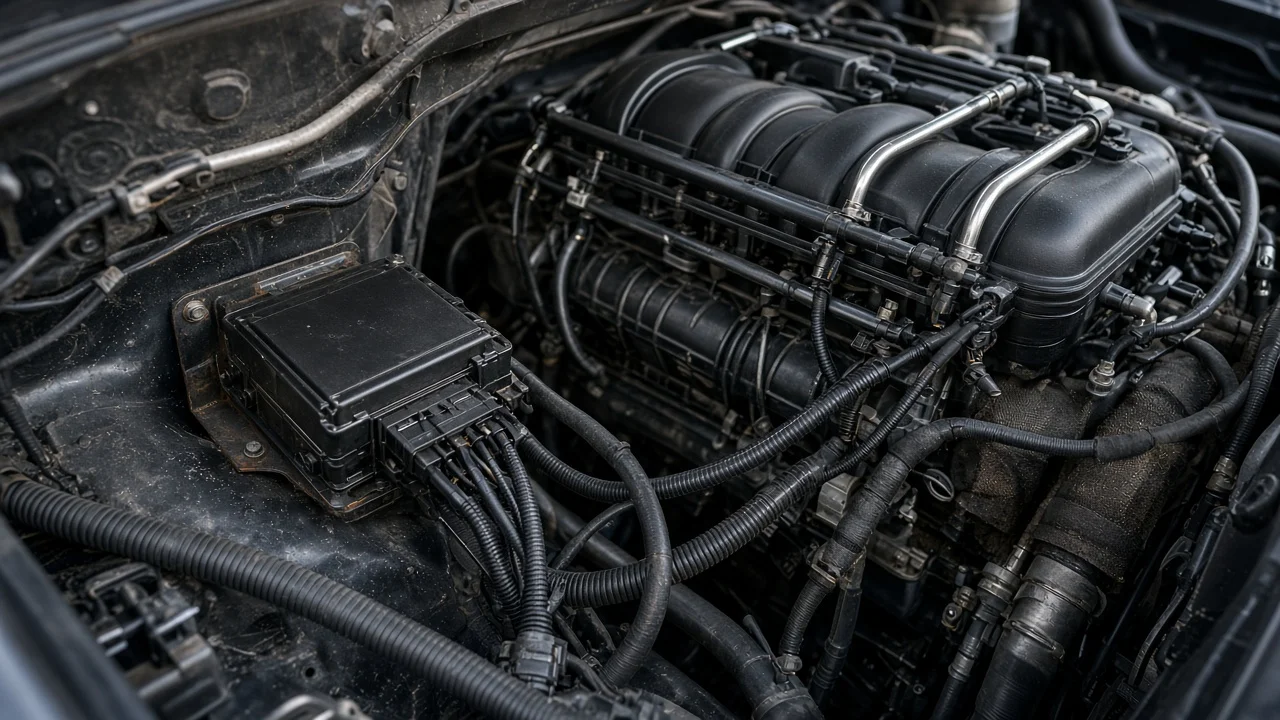
On 2008 Chevrolet Silverado and GMC Sierra heavy-duty pickups with the LMM engine, the glow plug control module is generally mounted on the driver's side, low and toward the front of the engine compartment, below the battery and battery tray area near the frame rail. From the top you mostly see the battery, so many owners find it from underneath with the front of the truck safely supported on stands, or by removing the driver's side battery and tray for a clear view. Look for a small sealed box on a bracket with a multi-pin harness connector and wiring that leads back toward the glow plugs.
Treat this as the typical layout rather than a guarantee. A previous repair, a relocated battery or upfitter equipment can change what you see, so confirm the part against service information for your VIN before unbolting anything.
How the glow plug system works
The engine control module decides whether heat is needed, mainly from coolant temperature, intake air temperature and battery voltage, and then commands the glow plug control module. The glow plug module switches high current to each of the eight glow plugs and monitors every circuit individually. It reports faults back to the engine computer, which is why a single failed plug or a damaged wire can set a cylinder-specific code instead of failing silently.
Glow time is not limited to the wait-to-start lamp. The system can keep heating the plugs for a period after the engine starts to steady the idle and reduce white smoke while the combustion chambers warm up. A weak system therefore shows up as long cranking in the cold, rough running and white smoke right after a cold start, and it may be barely noticeable in warm weather.
What changes the answer
First confirm the engine configuration. The 2007 model year was split: Classic-body trucks kept the earlier LBZ engine, while the redesigned trucks introduced the LMM. A 2008 heavy-duty pickup should be an LMM, but checking the RPO label in the glove box or the engine code in the VIN removes doubt before you order a part. Vans and chassis-cab trucks with related versions of the engine may package components differently, so the pickup location may not carry over.
Operating conditions also matter. A truck in a mild climate can run for months with a failed module or several dead plugs and show no obvious symptom. In the cold, hard starting can come from the fuel side as well: gelled fuel, a restricted fuel filter or poor supply to the high-pressure fuel pump can mimic a glow plug problem. Glow plug codes point toward the electrical side, while hard starting with no glow codes is a reason to look harder at fuel delivery.
What the owner can do
Start with a scan tool. P0670 relates to the glow plug module control circuit, P0671 through P0678 identify individual cylinder glow plug circuits, and P0683 points to communication between the glow plug module and the engine computer. A single cylinder code usually suggests that plug or its wire, while multiple circuit codes or a communication code put more suspicion on the module, its power and ground, or its connector.
Because the module sits low near the frame rail, it is exposed to water, road salt and debris. Disconnect both batteries, since these trucks use two, before unplugging anything. Then inspect the connector for corrosion or moisture, look for chafed wiring and confirm the mounting is secure. A glow plug that reads open on an ohmmeter has failed regardless of what the module is doing.
None of this work requires opening the fuel system. Keep clear of the injector lines and fittings: the common-rail system runs at extremely high pressure, and escaping diesel can penetrate skin. Do not loosen fittings to relieve pressure or bleed the system as a diagnostic step. If a fuel filter change is part of chasing a cold-start complaint, follow the procedure for your truck. Anti-gel additives can help prevent winter gelling, but they will not repair a failed glow plug, module or harness.
Limitations and next step
A written description cannot confirm the exact position on every truck, especially one with modified batteries, aftermarket equipment or prior harness repairs, so verify the part and connector against service information for your VIN. If codes return after a new module is installed, the fault may lie in the harness, a glow plug or the engine computer. A shop with a capable scan tool can command the glow system and view the status of each circuit, and removing glow plugs that are seized in the cylinder head is a job worth leaving to a professional to avoid breaking a plug off.