LML Duramax Glow Plug Control Module: How to Choose the Right Replacement
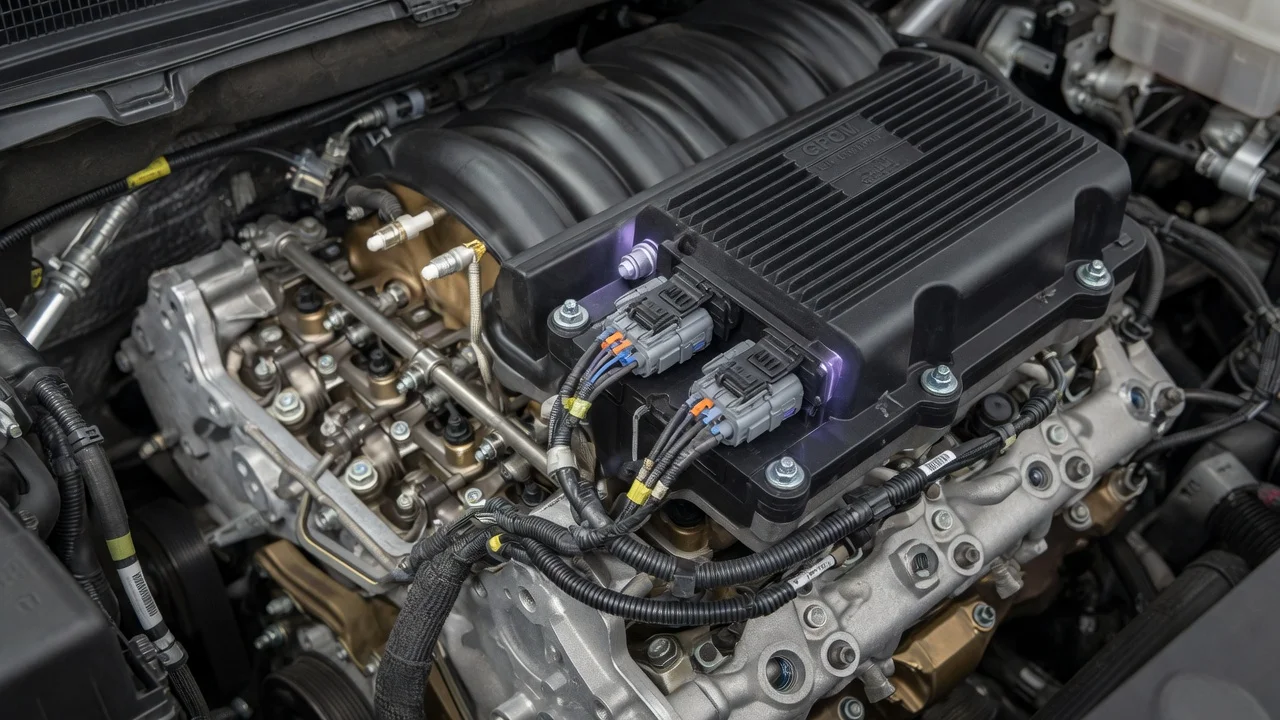
The glow plug control module on an LML Duramax decides when and how long each glow plug receives power. A weak or failed unit usually shows up as hard cold starts, rough cold idle, white smoke and stored glow plug codes. This guide helps owners of 2011 through 2016 trucks choose a replacement module that fits, works with the engine controls and justifies its price. It also explains how to separate true glow system faults from fuel delivery problems that look similar.
Define the job the product must do
Before you shop, confirm that the module is actually the failed part. The LML is the 6.6-liter diesel used in 2011 to 2016 Silverado and Sierra 2500HD and 3500HD pickups. It relies on glow plugs mainly for cold starting and for smoother running until the engine warms up. A module fault is more likely when you see a glow plug control module circuit, performance or communication code, when several cylinders are flagged at once, or when no plug receives current even though the plugs test within specification. A code for a single cylinder more often points to one glow plug or its lead, and a new module will not fix that.
Cold-start complaints are not always electrical. On a diesel, fuel gelled in a cold fuel filter, water in the fuel, a restricted filter, weak supply from the fuel pump or a leaking injector can all lengthen cranking. With a scan tool, compare desired and actual rail fuel pressure during cranking and review the injector balance rates, which act as per-cylinder fuel trim. These readings help rule out the fuel side before you buy electrical parts. Winter fuel treatments can help prevent gelling, but they are not a proven repair for a failed module or a fuel system fault. Also decide what the truck needs from the repair: a daily driver in a cold climate justifies more spending on reliability than a truck that is plugged into a block heater overnight and rarely starts below freezing.
Check compatibility
Match the part by engine configuration, not by model year alone. Confirm the LML engine code on the service parts identification label, which is usually in the glove box, or have a parts counter decode your VIN. Other 6.6-liter Duramax versions sold in the same years, including the version used in vans and some chassis-cab trucks, can use different parts. The earlier LMM engine also differs. A listing that simply says Duramax is not enough. A 2011 or 2012 truck should get the same scrutiny as a 2015 or 2016 one, because catalog errors happen across the whole production run.
Then compare the physical and electrical interfaces. These include the connector shape and pin count, the mounting footprint and bracket, the harness routing, and the module's communication with the engine control module. The easiest check is the part number on the label of the original module. Look for a replacement that cross-references that number directly, and ask the seller to confirm fit by VIN. Find out from service information whether any scan-tool setup step is needed after installation, so you are not surprised. The module is also designed around the current draw of the factory-type glow plugs, so mixing in plugs that do not match the original specification can trigger circuit codes even when the module is good.
Features that affect the choice
The main decision is between an original-equipment module, a new aftermarket unit and a remanufactured one. An OE part matches the factory control logic and diagnostics and usually costs the most. A new aftermarket module can cost less, but quality and documentation vary between brands. A remanufactured unit should state which components were replaced and how the unit was tested. Labels such as heavy duty, upgraded or plug and play tell you little without a direct part number cross-reference, a stated warranty and a clear return policy.
Some evidence is worth more than marketing copy. Look for clear photos of the connector and mounting points that you can compare with your old unit, a written warranty that names who handles claims, and a statement of whether seals or hardware are included. On this engine the module reports individual glow plug circuit faults to the engine computer. A good replacement keeps that reporting intact, so a future plug failure still sets a specific code rather than going unnoticed. Products sold to bypass or disable factory diagnostics do not replace the original module and can create problems with emissions-related monitoring.
Limitations and ownership costs
Installation is usually straightforward. Follow the service procedure for disconnecting the battery, inspect the connector and harness for corrosion, chafing or heat damage, and make sure the terminals seat fully. Afterward, clear the codes and use a scan tool to confirm on a cold start cycle that each glow plug circuit reports normally. Glow plug and module work does not require opening the high-pressure fuel system. The LML common-rail system runs at very high pressure, so never loosen injector or rail fittings to relieve pressure or bleed the system, and keep clear of the high-pressure lines while the engine runs. If the diagnosis leads into the fuel system, follow the factory procedure for that component and perform a leak check after anything is disturbed.
A new module cannot fix failed glow plugs, damaged wiring, weak batteries, slow cranking, gelled fuel, low fuel pressure or a faulty injector. Budget for the possibility that plugs need replacement too, because tests sometimes show both problems. Glow plugs on high-mileage engines can be tight or seized, and removal raises the labor time and the risk of damage, which affects whether you do the job yourself or pay a shop. Consider the cost of scan tool access as well, since you need it both to diagnose the fault and to verify the repair.
Build a practical shortlist
Use a short checklist for each candidate. Confirm the diagnosis points to the module rather than plugs, wiring or fuel delivery. Verify the LML engine code on your truck. Check that the part number cross-references your original module, and that the connector and mounting match. Know whether any setup is required after installation. Get the warranty and return terms in writing, along with the seller's confirmation of fit for your VIN. Set aside money for plugs or harness repair if testing suggests they are involved.
Start from the original part number and narrow the field to two or three options that clearly document fitment for your exact year, whether you are shopping for a 2013 or a 2015 truck. Drop any listing that lacks a cross-reference, connector detail or a meaningful warranty, rather than relying on generic best-product rankings. Among the remaining options, weigh price against how long you plan to keep the truck and how often it starts in severe cold. That makes the decision rest on fitment and documented support instead of labels.