LML Duramax Glow Plug Control Module Location
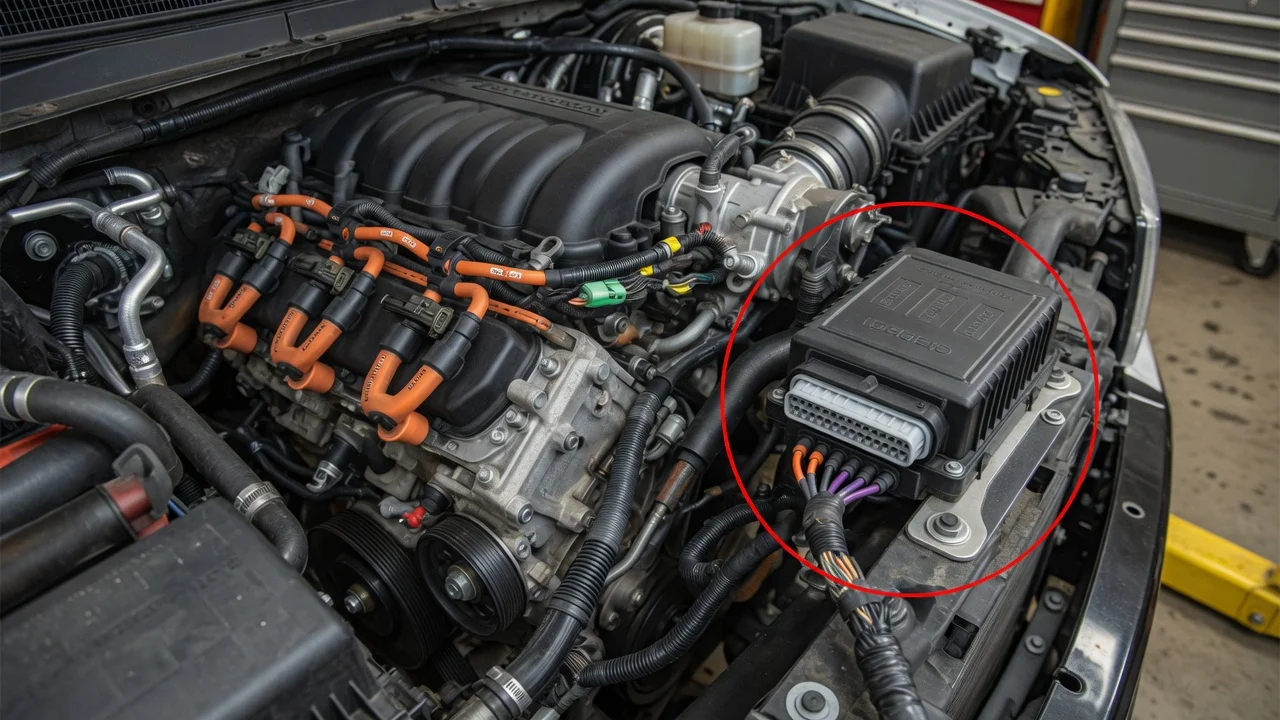
If your 2011–2016 Duramax sets glow plug codes or cranks for a long time on cold mornings, finding the glow plug control module is usually the first hands-on step. The LML 6.6L diesel uses a separate module to power its eight glow plugs, and the general approach to finding it is the same whether you own a 2011, 2013, 2015 or 2016 truck. This guide covers where to look, how the system works and when the real cause is on the fuel side instead.
Where the module sits on an LML Duramax
The glow plug control module on the LML is a standalone electronic unit, not a function built into the engine control module. It is mounted in the engine compartment, low and toward the front. It is commonly found on the passenger side near the frame rail, below the battery area. Mounting details can differ between pickup and cab-chassis builds, so treat that as a starting point rather than an exact address.
The most reliable way to confirm the location on your own truck is to follow the wiring. The module has a heavy-gauge power feed from the battery and a harness that runs back to the glow plugs on both cylinder banks. Where those circuits meet a small boxed unit with a multi-pin connector, you have found it. The wiring diagram for your VIN shows the connector views and the exact bracket.
How the glow plug system works
The LML is a V8 diesel with one glow plug per cylinder, threaded into the cylinder head and reaching into the combustion chamber. Diesel fuel ignites from the heat of compression, but a cold engine loses much of that heat into cold metal. The glow plugs add heat so the first combustion events happen cleanly after the injector delivers fuel.
The engine control module decides when heating is needed, mainly from coolant temperature and related inputs, and commands the glow plug control module. The module switches high current to each plug and monitors each circuit. If it detects an open, a short or abnormal current, it reports the fault to the engine computer. That can set cylinder-specific codes in the P0671 to P0678 range, or a code tied to the module and its control circuit. Heating may also continue briefly after start-up to reduce white smoke and rough running while the engine warms.
What changes the answer
This location applies to the LML engine used in 2011 through 2016 Silverado and Sierra heavy-duty trucks. Earlier Duramax versions and the L5P that followed for 2017 use a different engine configuration, harness routing and module placement, so instructions for those engines do not carry over. Confirm the engine code on the RPO label in the glove box before you buy parts.
Body style and equipment also matter. Cab-chassis trucks, trucks with plow prep or aftermarket lighting, and trucks with prior front-end or harness repairs may have brackets or wiring in a different place. Road salt is a real factor as well. A low-mounted module catches spray, and corrosion at its connector can cause intermittent faults that look like failed plugs.
The symptom itself also changes where you should look. Glow plug faults mainly affect cold starts. A truck that is hard to start when warm, loses power, or smokes heavily at operating temperature more likely has a fuel delivery, injector or air-side problem, and the module is not where the answer lies.
What you can check yourself
Start with a scan tool that reads engine codes and, ideally, glow plug data. Note whether the codes name a specific cylinder or point to the module and its control circuit. A single cylinder code usually points to that plug or its wire. Several codes at once make the module, its power feed or its connector more likely.
With the engine off and cool and both batteries disconnected, inspect the module connector for green corrosion, bent pins, a loose lock or a chafed harness. You can check a glow plug with an ohmmeter at its terminal. An open circuit shows a failed element, but the specification for a good plug should come from the service information rather than a guess. Glow plugs can seize in the head after years of heat cycles and can break if forced, so plan removal carefully.
Keep this an electrical job. Checking or replacing the glow plug module does not require opening any fuel line. The LML uses a high-pressure common-rail system, and loosening injector lines or rail fittings can release fuel at dangerous pressure. If hard starting persists with no glow plug codes, check the fuel side methodically. Review the fuel filter service history, watch for a water-in-fuel warning, and do a visual leak check for wet fittings. Then compare actual and desired fuel pressure on a scan tool while cranking. Winter fuel treatment can help prevent gelling, but no additive repairs a failed plug, module or fuel pump.
Limitations and when to get help
A location description is a guide, not a substitute for the factory service information for your VIN. Connector pinouts, resistance specifications and glow plug torque values vary. Replacing a module without first confirming its power, ground and command signals can waste money. Depending on the parts involved, you may need a capable scan tool to clear codes and confirm the system works after the repair.
Bring in a diesel technician if a glow plug is seized or broken in the head, if codes return right after a repair, or if starting problems point toward the injectors, the high-pressure fuel pump or fuel pressure regulation. Those jobs involve high pressure and contamination-sensitive parts, and they are best diagnosed with proper test equipment.