Lightning Audio Car Amplifiers
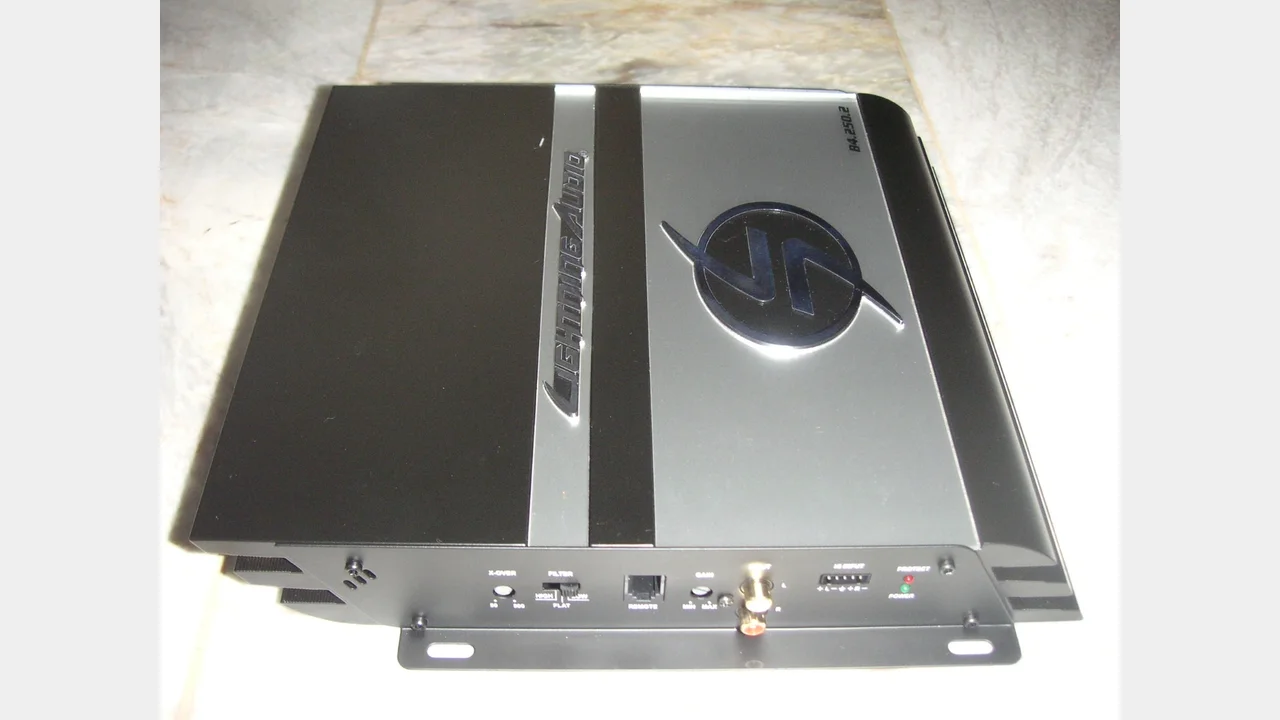
Selecting a Lightning Audio car amplifier means matching the unit to your current audio source, head unit signal type, and speaker wiring so the added power improves clarity instead of introducing noise or shutdowns. Because amplifier ratings and installation requirements vary, the right choice depends on how the chassis will be driven and integrated with the rest of the vehicle. A practical buying decision starts with confirming the amplifier’s input sensitivity, channel count, and power supply needs, then verifying that those characteristics fit the existing system rather than assuming every model works in every car.
The direct answer
When researching a Lightning Audio car amplifier, the most useful first step is to determine whether the unit matches the signal voltage coming from the head unit and the impedance of the speakers already installed. A car amplifier does not operate in isolation: it amplifies the audio source it receives, so an input stage designed for a low-level preamp signal may behave differently when fed from a factory radio’s speaker-level outputs or an aftermarket receiver with higher preamp voltage.
Vehicle integration also affects everyday performance. The amplifier’s mounting location, grounding point, and connection to the vehicle’s electrical system can influence output stability and background noise more than a wattage number alone. Before purchasing, a buyer should therefore identify the available signal connections, the number of channels required for the speaker layout, and whether the vehicle has adequate current capacity for the amplifier’s expected draw under normal listening conditions.