Lifted Toyota
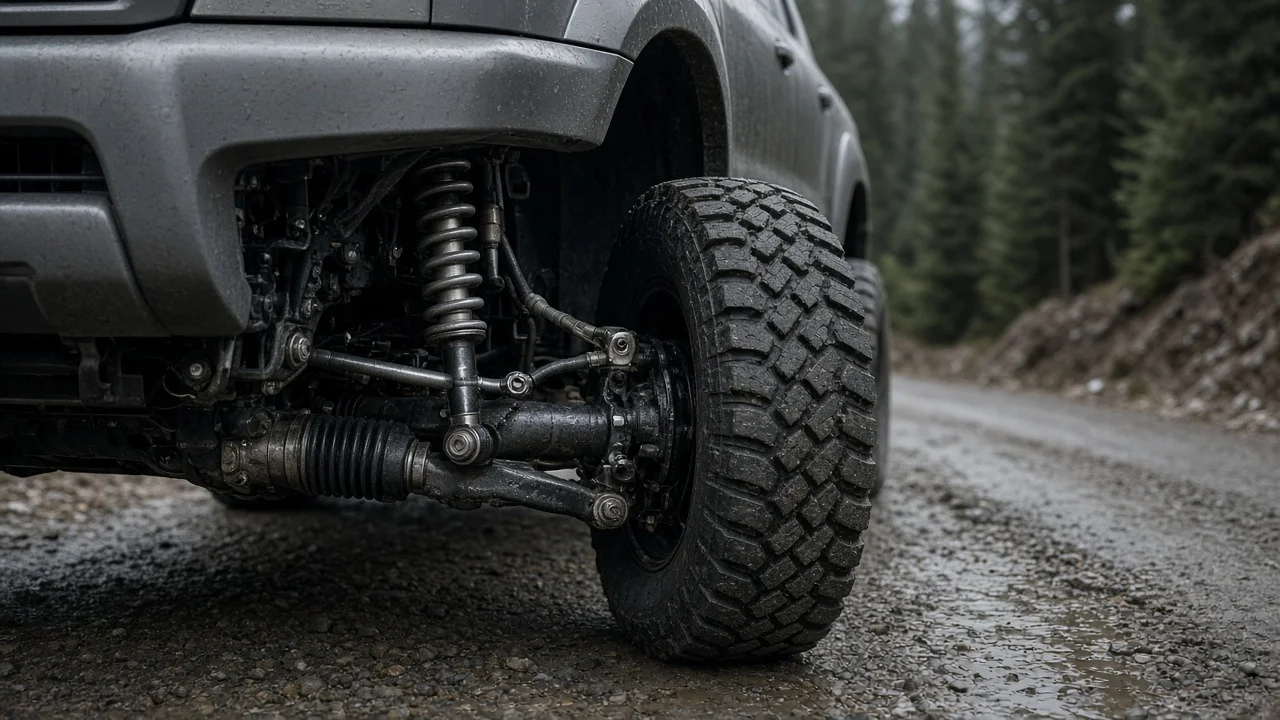
A lifted Toyota car is a vehicle that has been modified to increase ride height beyond its factory setting. The change is usually made for off-road clearance, larger tire fitment, or a more aggressive stance. While many examples begin as body-on-frame trucks and SUVs, the term can also describe unibody crossovers fitted with spacer or spring upgrades. The right approach depends on the model generation, trim level, powertrain configuration, body style, and market specification, because a lift affects steering, suspension geometry, load handling, and everyday drivability in ways that vary across the Toyota lineup.
Essential answer
A lifted Toyota is not one factory package but an owner-installed or dealer-added change that raises the chassis and body above the standard ride height. The modification commonly includes taller coil springs, strut spacers, upgraded shocks, or a full suspension kit with revised control arms. On body-on-frame Toyota models, the lift may be achieved partly by adjusting the torsion bars or replacing leaf spring components. The essential point is that the vehicle remains a Toyota underneath, but its ground clearance, step-in height, center of gravity, and suspension travel are intentionally altered from the original specification.
Because lift methods differ, the same term can describe a modest leveling kit or a tall off-road build with long-travel suspension. A mild change may simply reduce the factory nose-down rake, while a larger system raises both ends and often requires matching changes to driveline angles and alignment. When evaluating any lifted Toyota car, the useful question is not whether it sits higher, but how the lift was produced and whether the supporting components were upgraded at the same time. That distinction matters more than the visual height alone.