Lexus Wheel Offset (GX, IS, SC)
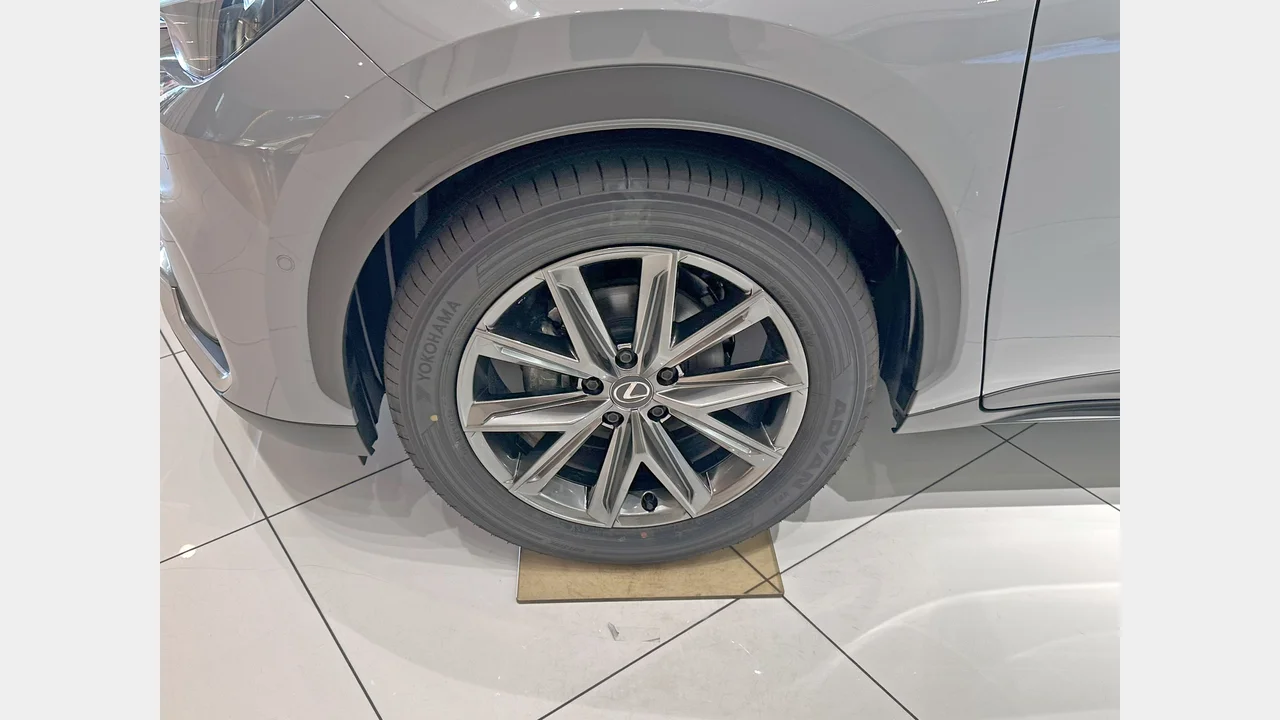
Choosing wheels for a Lexus involves more than diameter and bolt pattern. Offset determines where the tire sits inside the wheel arch, affecting steering feel, suspension geometry, and clearance around brakes and bodywork. GX, IS, and SC models were engineered around different chassis priorities, so one number cannot serve all of them. Whether you are replacing a damaged wheel, fitting aftermarket rims, or moving a factory set between generations, the mounting face position changes how the vehicle tracks, steers, and clears suspension components. A small offset difference can create rubbing or alter scrub radius enough to notice.
Essential answer
Lexus wheel offset describes the distance between the wheel's mounting surface and its true centerline. Positive offset pushes the rim inward toward the suspension, while lower or negative offset moves it outward. The first-generation GX470 and the later GX 550 share a body-on-frame SUV layout, so they tend to use moderately positive offsets that keep wide tires within the fender while preserving suspension and brake clearance. The IS200 sport sedan and SC430 convertible use car-platform offsets that center the tire differently under the strut tower.
Exact factory numbers vary by wheel width, optional packages, and market. Therefore, any single published figure is a starting point rather than a universal fitment. When comparing wheels between a GX470 and a GX 550, or between an IS200 and SC430, treat rim width and tire section width as connected variables. A wider rim with the same offset places more of the tire farther outboard and inboard at once. The safe approach is to confirm the original wheel code or measure the backspacing on a factory wheel and compare it with the replacement.