Lexus sports cars in the Philippines
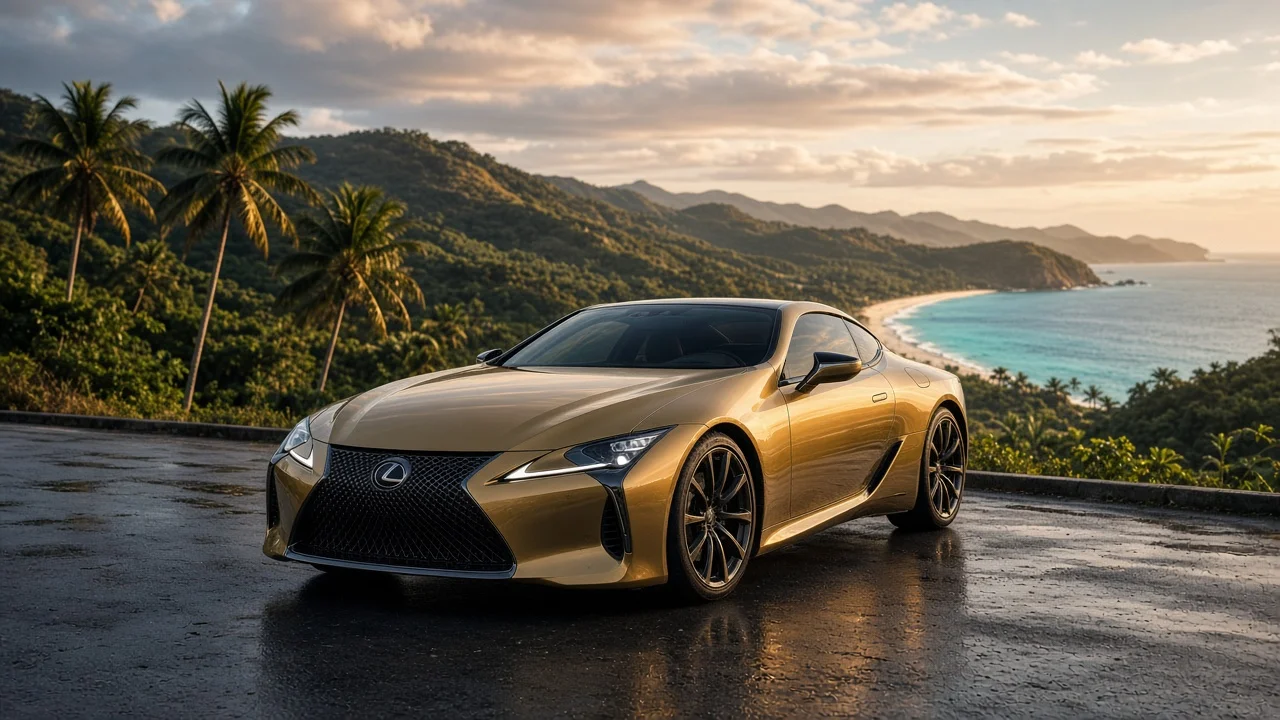
Shopping for a Lexus sports car in the Philippines means evaluating more than sheet metal and engine output. Buyers should consider how a low-slung body configuration copes with tropical rain, flood-prone streets, and varying pavement quality. The vehicle class and market segment also affect import duties, parts availability, and long-term ownership costs. A focused purchase decision starts by matching the right model generation and powertrain layout to local driving conditions. This guide clarifies what to inspect and which ownership trade-offs matter most for a performance coupe in this market.
The direct answer
The practical answer is to choose a Lexus sports car that balances a stiff, responsive chassis with enough clearance and cabin comfort for daily Philippine roads. A two-door coupe with a front-engine, rear-wheel-drive layout typically offers the handling character many enthusiasts want. However, the local market often favors models that can also manage speed humps, flooded intersections, and long highway trips without excessive fatigue. The best candidate is therefore not automatically the most powerful or track-focused variant, but the one whose suspension tuning and seating layout suit your regular routes.
Because importation and dealer support differ by model generation, the same nameplate can behave very differently in terms of parts lead time and resale value. A naturally aspirated engine may be easier to maintain than a complex forced-induction system when specialist service centers are limited outside Metro Manila. Check whether the specific body configuration, such as a 2+2 coupe, gives enough second-row space for your needs. Confirm that the tires and brake components are available through local suppliers rather than relying on long international shipping for every wear item.