Lexus SC430 model year changes
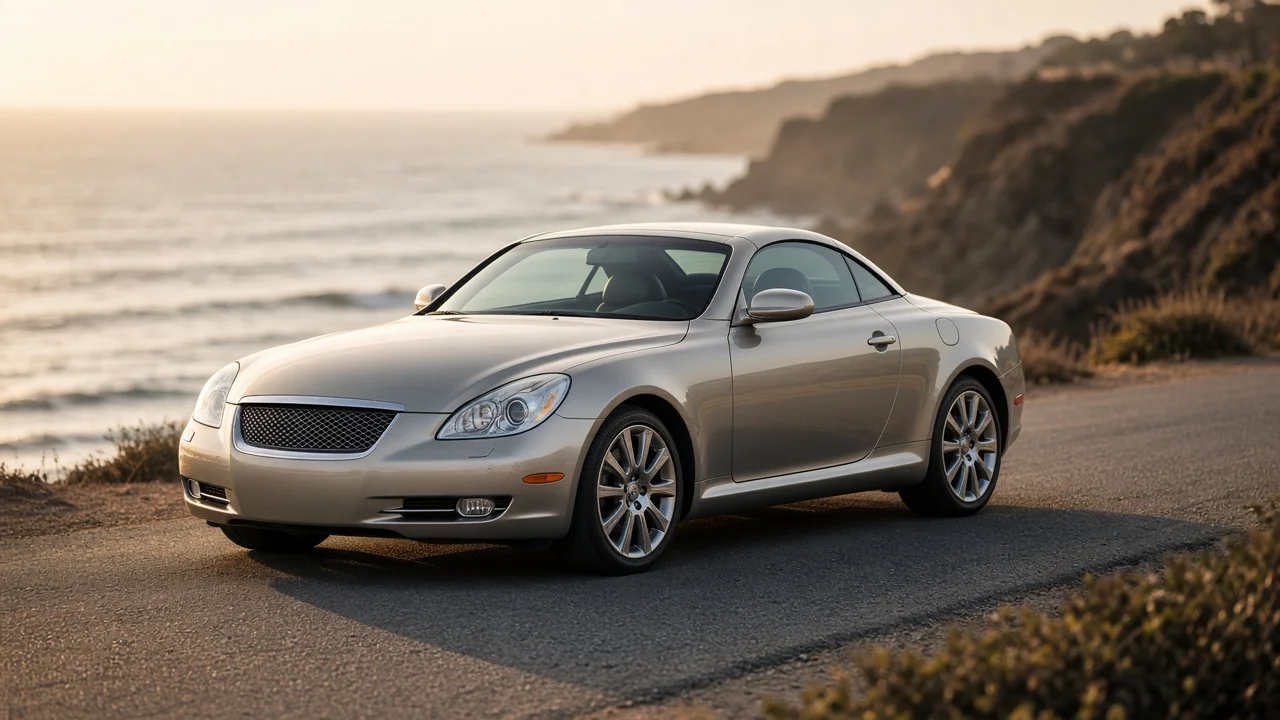
Researching Lexus SC430 model year changes helps buyers and owners separate real equipment updates from cosmetic refresh cycles. The SC430 remained one recognizable hardtop convertible throughout its run, yet model year differences affected standard features, available trim choices, and refinement details. Because market specification and production timing can vary, a change mentioned for one region may not appear on every example. Looking at the model generation, body style, and powertrain variant together gives a more accurate view than relying on a single production year or brochure description.
Essential answer
The essential answer is that the Lexus SC430 received incremental updates rather than a full platform redesign during its production life. Its retractable hardtop body style and V8 powertrain remained the defining elements, while model year changes generally involved revised lighting, suspension tuning, interior trim, and available equipment. Treating each model year as a separate generation would overstate the differences. Instead, the SC430 belongs to one continuous model generation that was refined in stages to keep the convertible competitive as buyer expectations changed.
When comparing examples, model year should be checked alongside trim level and market specification. A later car may include updated headlamps or different wheel finishes, but an earlier well-equipped example can still share the same core driving character. Service history and condition often matter more than small year-to-year changes because the fundamental structure and powertrain variant stayed consistent. For a used-car shopper, knowing the model year helps identify which standard features to expect, not whether the vehicle is mechanically unrelated to another SC430.
History and development
The development path of the SC430 reflects a shift in how Lexus positioned its luxury convertible. Early examples emphasized smooth, isolated cruising, while later updates moved toward slightly sharper response and more contemporary styling details inside and out. These changes were usually introduced as running improvements rather than as heavily advertised redesigns. For owners, that means the model year can reveal whether a car has the original suspension calibration or a later revision intended to improve ride control and steering feel.
Some of the most noticeable history and development updates involve lighting, wheel designs, and cabin materials. A mid-cycle refresh can make a newer model appear more modern even when the underlying body style and powertrain architecture remain unchanged. Because regional introduction dates sometimes lagged behind production changes, confirming the exact model year through the vehicle identification plate and original equipment is useful. This prevents a buyer from assuming that an advertised update applies to every SC430 of the same calendar year in the US market.