Lexus RX300 ABS Wheel Speed Sensor: Fitment Guide
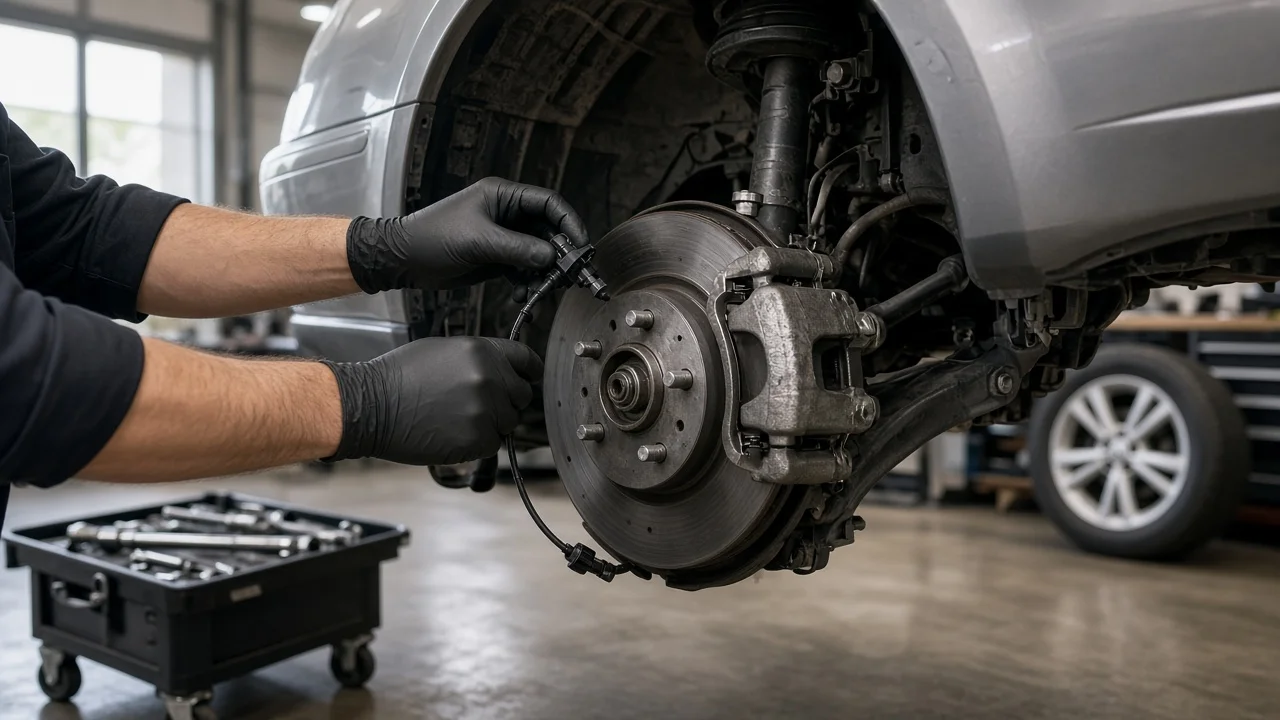
An ABS wheel speed sensor for a Lexus RX300 is not a one-size part. Each corner of the vehicle has its own sensor, and the correct replacement depends on wheel position, side, drivetrain, model year and the market the vehicle was built for. This guide explains how to identify the right sensor, how it works, what changes the answer, and what to check before and after replacement.
Which sensor fits your RX300
In the United States, the RX300 name covers the first-generation RX sold for the 1999 through 2003 model years, built with a 3.0-liter V6 and offered with either front-wheel drive or all-wheel drive. A replacement sensor has to match four things: the wheel position (front or rear), the side (left or right), the drivetrain, and the model year or production date. Left and right sensors are usually separate parts because their mounting and harness routing are mirrored, and rear sensors can differ between front-drive and all-wheel-drive versions.
The most reliable way to confirm vehicle fitment is to check the 17-character VIN against an OEM parts catalog or at a parts counter, then compare the new part with the old one: connector shape, number of pins, mounting tab, grommets and overall cable length. A sensor that bolts in but has the wrong cable length can rub on suspension parts, stretch at full steering lock or sit too close to hot brake components.
How the wheel speed sensor works
Each sensor is mounted close to a toothed ring, often called a tone ring or sensor rotor, that turns with the wheel. As the teeth pass the sensor tip, the sensor produces a signal whose frequency rises with wheel speed. The ABS control unit compares the signals from all four wheels. When one wheel slows much faster than the others during braking, the system modulates hydraulic pressure at that wheel so it keeps turning instead of locking.
The sensor never touches the ring, so it does not wear the way brake pads or other friction material do. Typical failures come from a chafed or broken cable, a corroded connector, metal debris stuck to the sensor tip, rust building up under the sensor and pushing it away from the ring, or a cracked or damaged tone ring. On vehicles equipped with stability or traction control, those systems use the same wheel speed signals, so one faulty sensor can disable them too and turn on additional warning lights.
What changes the answer
Drivetrain matters most at the rear. All-wheel-drive and front-wheel-drive RX300s use different rear axle hardware, so the rear sensor, its mounting point and its harness may not be the same. Confirm the drive layout from the VIN or factory records rather than from badges or a previous owner's description.
Market and badge also change the answer. Outside the United States, the RX300 name was used on later generations of the RX in some markets, and those vehicles use different sensors. Imported vehicles should be identified by VIN, and similar-looking related models sold under other names should not be assumed to share part numbers without a catalog check. Some catalogs also split listings by production month within a model year, so the build date on the door label can be the deciding detail.
Previous repairs can matter as well. An aftermarket hub, axle or knuckle installed earlier may carry a different tone ring or mounting surface than the original. Wheel speed sensors also come in different electrical designs, and a replacement must match the design the ABS control unit expects; a sensor with the right shape but the wrong internal design will not produce a usable signal.
Diagnosing the fault before you buy
An ABS light with normal pedal feel usually means the system has stored a fault and switched ABS off while normal braking remains. Read the codes with a scan tool that can access the ABS module; many basic engine code readers cannot. The code normally identifies which wheel or circuit is affected. If the tool shows live data, watching all four wheel speeds during a slow drive can reveal a sensor that drops out or reads differently from the rest.
Before ordering a sensor, inspect the affected corner. Look for a cable that has rubbed through or been pinched, green or white corrosion in the connector, debris on the sensor tip, rust lifting the sensor from its bore, and cracks or missing teeth on the tone ring. If the wiring or connector is the actual fault, a new sensor will not fix it. With the wheel off, it is also a good moment to check brake pads, brake rotors and caliper slides against the wear limits in the service information, although those parts do not affect the sensor signal directly.
Replacing the sensor and choosing a part
Support the vehicle securely, remove the wheel, disconnect the connector and note how the cable is clipped along its route before unclipping it. Remove the mounting bolt and ease the sensor out; on older vehicles it is often seized, so use penetrating oil and patience rather than force, because a broken sensor body left in the knuckle turns a simple job into a much harder one. Clean rust from the bore and mounting face so the new sensor seats fully, then route the cable exactly as the original was routed and tighten the bolt to the specification in the service information.
Replacing a sensor normally does not require opening the hydraulic system, so the brake fluid stays sealed. If a caliper must be moved for access, support it so it does not hang by the brake hose. After installation, clear the codes and road test the vehicle; on many vehicles the ABS light goes out only after the control unit sees valid signals from all four wheels during a short drive.
An OEM sensor removes most fitment doubt. A quality aftermarket sensor can work well if it is an exact match for position, side, drivetrain and electrical design and includes the correct connector, grommets and clips. Avoid parts with poorly fitting connectors or cables that look shorter than the original. Only the failed sensor needs to be replaced unless inspection shows damage at other corners.
Limitations and when to get professional help
This guide cannot confirm a part number for a specific vehicle; that requires the VIN, an OEM catalog and the vehicle-specific service information for torque values and procedures. A stored code points to a circuit, not always to a failed sensor, and faults in the ABS control unit, hydraulic unit or a tone ring pressed onto an axle need proper tools and diagnosis.
Stop driving and have the brakes inspected by a professional if the red brake warning light comes on, the pedal feels low or soft, the vehicle pulls under braking, you hear grinding, or ABS activates at low speed on dry pavement. Seek help too if the sensor is seized in the knuckle or you are unsure about safe lifting and torque specifications. An ABS fault alone usually leaves normal braking working, but it removes anti-lock protection in emergency stops, so repair it promptly.