Lexus Manual Transmission Models and the IS300 Manual Swap
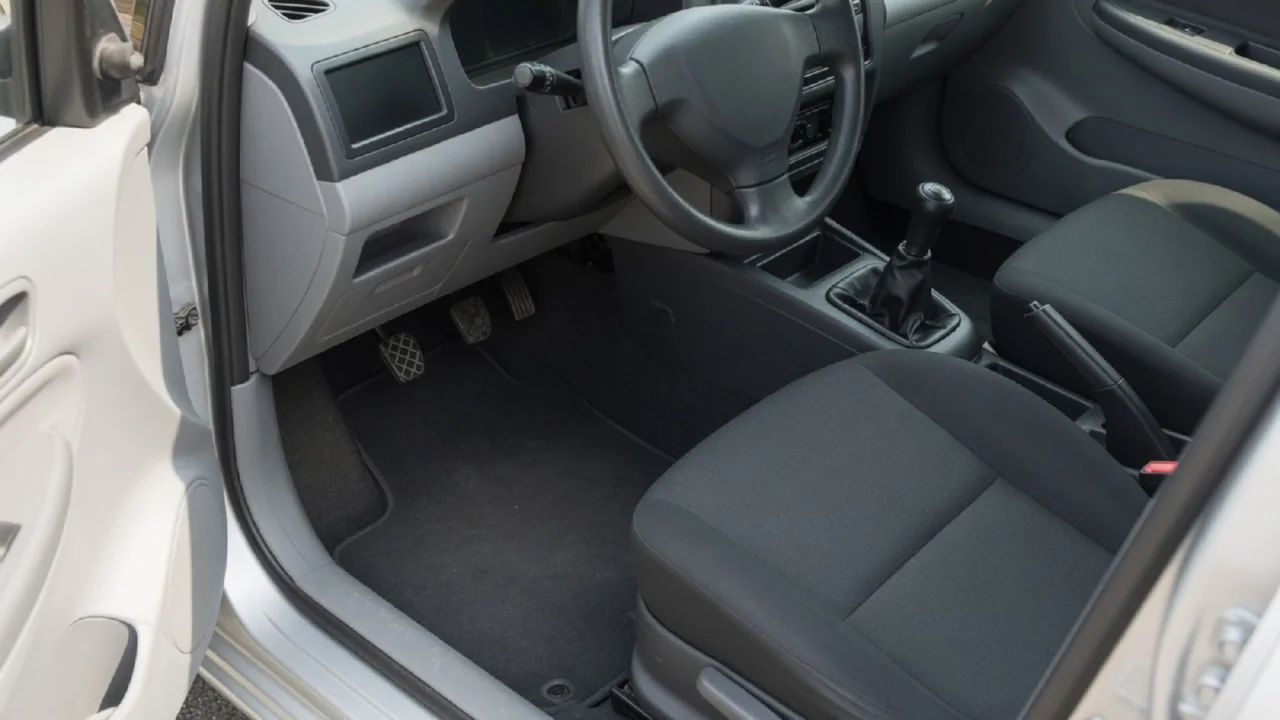
Shoppers looking for a Lexus with a factory stick shift usually start with the IS lineup, then ask which other models ever left the factory with a clutch pedal. In the United States, manual availability was limited, year-specific, and tied to body style and drivetrain. Confirming original equipment and understanding an IS300 manual transmission swap helps buyers judge both factory cars and conversions.
Which Lexus Models Offered a Factory Manual?
In the US market, a factory manual was never a Lexus-wide offering. Whether a given car could be ordered with a stick shift depended on model year, body style, and drivetrain, and many popular combinations were automatic only. Buyers searching for a Lexus with manual transmission should treat that constraint as the starting filter rather than assuming any rear-wheel-drive sedan or coupe could have left the assembly line with a clutch pedal. The same model name often covered automatic-only variants in other years, trims, or markets.
Among US-market cars, factory manuals appeared on the IS 300, IS 250, SC 300, ES 250, and early ES 300. Those names still show up in listings as a manual transmission Lexus, so original specifications matter more than a current shifter. Build sheets, window stickers, and service records that list transmission type can show whether a particular car left the factory with a five-speed or six-speed manual. A later conversion can look similar from the driver's seat, which is why documentation should be checked before treating the car as original equipment.
Factory Manual Availability on the Lexus IS 300
The first-generation IS 300 sedan is the car most people mean when they search for a Lexus IS manual transmission from that era. In the United States, a factory five-speed manual was offered on that sedan for model years 2002 through 2005. That window is specific: later IS 300 generations and many imported examples followed different equipment rules. An IS 300 badge on the trunk does not, by itself, prove the car was built with a stick shift or that a five-speed was even available for that year and market.
Body style matters as much as year. The US-market SportCross wagon based on that generation did not receive the factory manual option, even though it shared the IS 300 name and much of the same rear-wheel-drive layout. Shoppers comparing sedans and wagons should confirm the actual body style in the listing rather than assuming the five-speed carried over. Gray-market or later-generation cars with the same badge can also differ, so original equipment should be verified from vehicle records instead of from the model name alone.
Factory Manual Availability on the Lexus IS 250
Interest in a Lexus IS 250 manual transmission is concentrated on the second-generation sedan. In the United States, a factory six-speed manual was offered on the rear-wheel-drive IS 250 sedan for model years 2006 through 2012. That combination is the one buyers should match when a listing claims a factory stick. All-wheel-drive IS 250 sedans and the IS 250 C convertible were not offered with a factory manual in the US market, so drivetrain and body style eliminate many cars that otherwise look similar in photos.
A listing for a Lexus IS250 manual transmission should be checked against those limits before a visit is scheduled. Confirm model year, rear-wheel drive versus all-wheel drive, and whether the car is a sedan or convertible. Photographs of the pedal layout and the shifter tunnel are useful because a clutch pedal is harder to fake in pictures than a console description. Original vehicle documentation, including the window sticker or build data, remains the cleanest way to separate a factory six-speed from a later transmission conversion.
What an IS300 Manual Swap Involves
An IS300 manual transmission swap usually means converting a first-generation automatic IS 300 to a stick shift rather than restoring a factory five-speed. Before any parts are ordered, the exact year, sedan versus SportCross body style, and intended use need to be established, because those details change what must be adapted. The work typically touches the transmission itself, clutch and flywheel, pedal box and hydraulics, mounts, shifter, and driveline. Donor components from a factory-manual car can reduce guesswork, but condition, completeness, and fitment still have to be verified for that specific vehicle.
The conversion is not limited to mechanical hardware. Wiring, control modules, starting interlocks, reverse lights, and diagnostic readiness need vehicle-specific planning and professional verification, because a running engine and a moving shifter do not prove those systems were integrated correctly. Labor, fabrication, used-part condition, inspection requirements, and insurance disclosure should be budgeted as contingencies rather than a known cost. Compatibility should not be assumed from another IS 300 of a different year or market.
Checking the Condition of a Manual Lexus
On a factory or converted manual, symptoms during ordinary driving are worth writing down rather than diagnosing on the spot. Difficult engagement, gear grinding, clutch slip, vibration through the pedal or shifter, and unusual noises from the driveline or bellhousing all indicate that something in the clutch, gearbox, or related hardware deserves attention. Those signs can come from worn synchronizers, hydraulic issues, mount problems, a slipping clutch disc, or other sources. They are evidence to interpret, not proof that a specific part has failed.
Service records that show clutch work, fluid changes, and prior transmission repairs help a shop interpret those symptoms in context. A professional inspection is the safer next step; aggressive driving tests and observations beneath an unsupported vehicle should be avoided. If shifting, clutch operation, or vehicle control becomes unreliable during a test drive, the drive should be stopped rather than continued to force a diagnosis. Unresolved diagnostic trouble codes, when present, are additional evidence that needs vehicle-specific confirmation, not a standalone reason to replace a gearbox.
Documents to Request for a Converted IS300
A converted first-generation IS 300 should come with more than a verbal claim that the swap was done well. Ask for the conversion invoice, identification of the transmission and donor components, wiring documentation, and records of any fabrication or later repairs. Those papers help a shop see what was changed and what was left stock. A functioning shifter and clutch pedal show that the car can be driven, but they do not establish conversion quality, completeness, or legal compliance for registration and inspection in a given jurisdiction.
Before committing to ownership, have a qualified shop assess workmanship, fluid leaks, driveline operation, starting and reverse-light interlocks, and any unresolved diagnostic faults. Gaps in paperwork, unknown wiring changes, and missing service history are ownership risks because future repairs depend on knowing what is actually installed. Questions about inspection requirements, insurance disclosure, and whether parts remain serviceable should be settled while the car can still be walked away from. A clean drive around the block is useful, but it is not a substitute for that review.