Lexus EV Range: RZ, Electric ES, and RX Questions
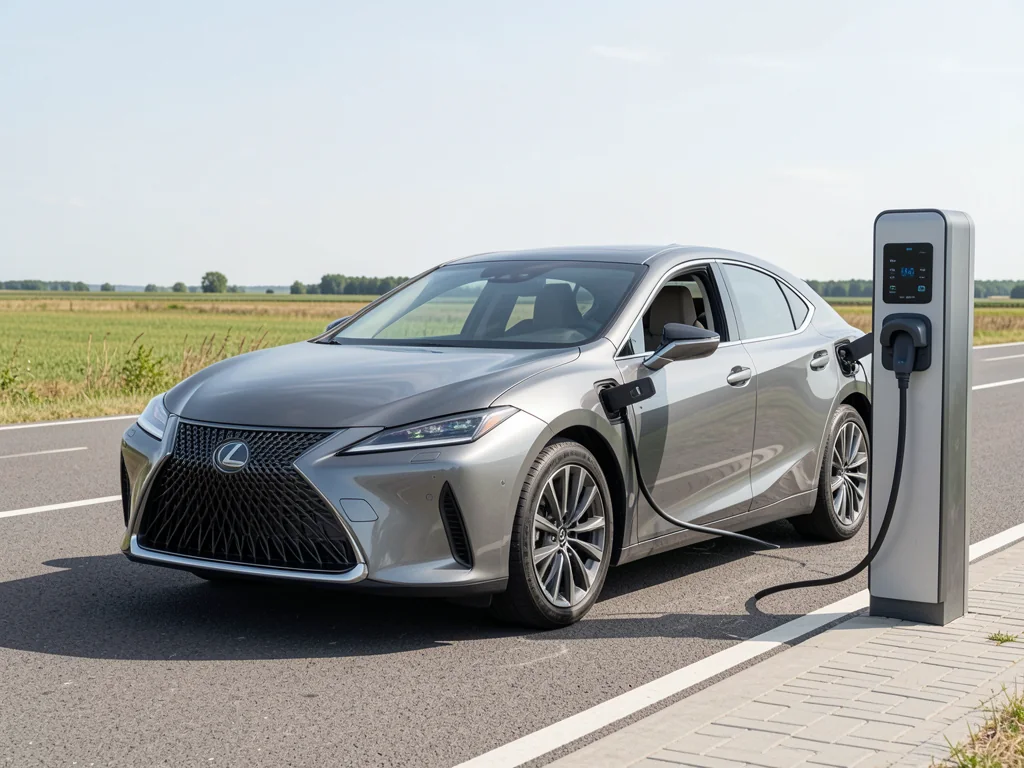
Electric range questions for Lexus are often tangled because buyers ask about a future battery electric ES, the current RZ crossover, or a possible RX EV. The answer depends on model year, market, trim, drivetrain, and even wheel size. EPA-estimated range is the key certified number in the United States, but manufacturer targets and dashboard estimates are not interchangeable. Plug-in hybrid electric-only range is separate and should never be confused with a battery electric vehicle's total distance. Understanding those distinctions helps evaluate a specific Lexus configuration instead of relying on one widely quoted figure.
Understanding Lexus Electric Range Figures
A Lexus electric range figure only has meaning when tied to the exact vehicle. Model year, national market, trim level, single- or dual-motor drivetrain, and wheel specification can change certified distance. A larger wheel-and-tire package often increases rolling resistance and aerodynamic drag, so an EPA estimate from one configuration should not be applied to another. When comparing figures, first ask which Lexus model, year, market, and standard equipment produced the number.
EPA-estimated range is the most useful certified value for vehicles sold in the United States because it follows a defined test schedule and is adjusted to approximate real-world driving. Other cycles, such as WLTP, appear in some markets and typically produce larger numbers but are not directly comparable. A manufacturer target often precedes certification, while the dashboard estimate depends on recent efficiency, temperature, and climate use. These figures cannot be interchanged when judging how far a specific electric Lexus will travel.
Lexus RZ Range for the Exact Model Year and Configuration
The Lexus RZ is sold as a battery electric SUV in several markets, but its rated range depends on configuration. For example, an RZ 450e with 18-inch wheels may show a different EPA estimate than the same trim with 20-inch wheels, and a model-year update can alter battery management or motor calibration enough to change the label. Without the exact model year, market, and wheel size, quoting a single RZ number misrepresents the vehicle. Buyers should look for the range figure printed for the precise configuration they are considering.
Even a correct certified rating is not a guarantee on every trip. Speed has a large effect because aerodynamic drag rises sharply above highway pace, while cold temperatures reduce battery performance and increase cabin heating demand. A heavy load or roof carrier also cuts distance. The dashboard range estimate reacts to those factors and to recent driving; if a driver spends a day at high speed in cold weather, the displayed remaining distance drops. That change does not mean the battery has degraded, only that current conditions are less efficient.
Electric Lexus ES Range and Availability
A battery electric Lexus ES has been discussed for several markets, but official availability and certified range are not consistent everywhere. In the United States, Lexus has not offered a production ES EV with an EPA label in the same way it sells the RZ, so a searcher may be seeing a manufacturer announcement, a future model plan, or a market-specific vehicle from another region. The relevant question is not only what the range might be but whether that version has actually been released for the reader's country.
When a range figure appears for an electric ES, it must be linked to the testing standard and market of origin. A WLTP target from a European presentation is not an EPA estimate for the United States, and a preliminary target without certification should be labeled as such. Local availability is separate: a global announcement does not mean the car is in a dealer's inventory. Until Lexus or a regional distributor confirms a specific model year and trim for the reader's market, the electric ES should be treated as pending rather than purchasable.
What an Electric ES Price Quote Should Include
If an electric ES reaches a market, any price quote should begin with the exact trim and equipment that correspond to the range figure. A base model with a smaller wheel package may carry a different range and price than a luxury trim with more features, so the two numbers must be read together. Destination charges and local taxes are not included in an advertised starting price, and optional equipment can move the final cost far from the headline. A useful quote lists the configuration, the certified range for that configuration, and the fees added before delivery.
Precise current prices are risky without a buyer's zip code and local incentive programs. Federal or state eligibility is applied separately from the sale price and can depend on income, battery sourcing, or assembly location, so a national price does not tell the full story. In markets where the electric ES has not launched, even the starting MSRP remains unsettled. A shopper should confirm that the dealer's figure is for a locally available model and ask which factory options, delivery charges, and taxes are included before comparing quotes.
Planning Everyday Trips in a Lexus Electric SUV
The RZ is the main confirmed battery electric Lexus SUV in the United States, joined by larger variants in some model years. A prospective owner should first verify which SUV is actually available locally and then match its certified range to daily driving. A short commute with home charging makes usable range less critical than for a long highway trip, while someone without a reliable overnight plug will care more about each rated mile. Daily mileage, charging access, and time available to recharge shape how practical any electric Lexus SUV will be.
Highway planning requires a different mindset. A driver should leave a charging buffer rather than arriving at a station empty, and the buffer should account for cold weather, headwinds, and elevation changes. The distance available on a charge is only half the trip; recharge time is a separate variable tied to charger power, battery state of charge, and temperature. A 200-mile leg may be fine in an RZ if the next fast charger is 150 miles away, but a 50 kW station will not refill as quickly as a 150 kW unit, so the stop must fit the driver's schedule.
What Searches for Lexus RX EV Range Can Mean
Searches for a Lexus RX EV often come from buyers who assume the familiar RX crossover has a battery electric version. Lexus has not confirmed a full BEV RX for the United States under that name, and a search result showing an RX plug-in hybrid does not answer the question about an electric RX. The RX 450h+ plug-in hybrid has an electric-only EPA range, but that figure is the distance it can travel on a charged battery before the gasoline engine assists; it is not a total battery electric range and cannot be compared to an RZ or a future BEV.
If the concern is the RX plug-in hybrid, the shopper should identify the exact model year and confirm the electric-only figure on the current EPA label. Even then, that number applies only to low- and moderate-speed electric operation, not sustained highway driving with the engine active. For a battery electric RX, range remains unconfirmed until Lexus publishes a certification for the reader's market. No buyer should scale an RZ figure to an RX body or assume a future model inherits a current battery pack, because range depends on the entire vehicle's efficiency, not the nameplate.