Lexus ES 300h Hybrid Battery Replacement and Cost
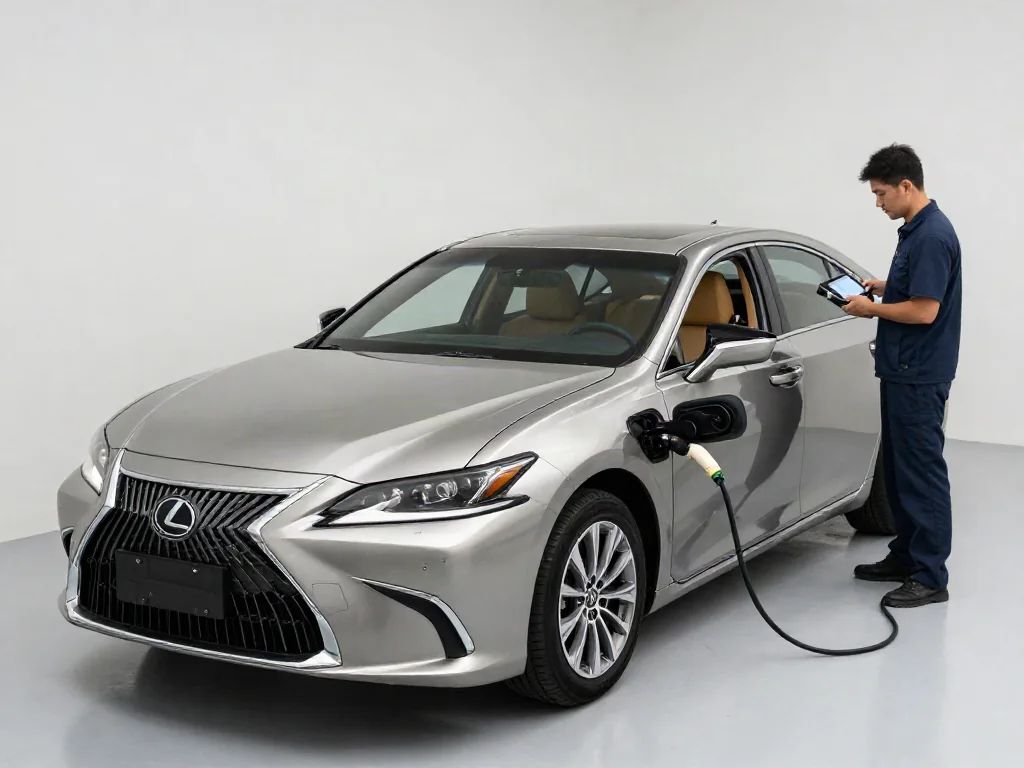
When an ES 300h owner sees a hybrid system warning or notices a decline in fuel economy, the high-voltage battery pack often becomes the prime suspect. Yet a diagnosis is rarely that simple. The car also has a conventional 12-volt battery, and other faults can mimic traction battery failure. Before estimating a Lexus ES 300h hybrid battery replacement cost, confirm which component is actually involved and what evidence supports that conclusion.
Confirm Which ES 300h Battery Needs Attention
The ES 300h carries two distinct batteries. A small 12-volt unit powers accessories and boots the computers, while the high-voltage traction battery supplies energy for electric propulsion and recaptures energy during braking. A starting problem or a dead accessory system usually points to the 12-volt battery, not the expensive traction pack. Conversely, a hybrid system warning may relate to the traction battery, but it can also be triggered by cooling, sensor, or wiring issues.
Before pursuing a Lexus ES 300h hybrid battery replacement, gather the model year, exact mileage, VIN, and any recent repair history. Hybrid components changed across generations, and pack fitment varies by production date. A quote or diagnosis based on a generic ES 300h may not fit a specific vehicle. Even a clear warning message does not prove that the traction battery has failed; proper testing must rule out simpler causes first.
What Battery Lifespan Can Tell an Owner
Battery lifespan is not a fixed number. Two identical ES 300h models can experience very different degradation depending on climate, driving patterns, and how the pack was maintained. Frequent exposure to extreme heat accelerates chemical aging, while a vehicle that sat unused for long periods may develop balance or self-discharge issues. The condition of the battery cooling fan and intake also matters—blocked airflow raises internal temperatures and stresses the cells over time.
A hybrid warranty period is a coverage window, not a predicted failure date. Many packs outlast the warranty by years, while others need attention earlier. For an older ES 300h, review documented battery repairs, state-of-health reports, or dealership diagnostic printouts if available. These records can reveal whether a pack was already replaced, reconditioned, or showing gradual capacity loss. Use that history to set realistic expectations rather than relying on mileage alone.
Warning Signs and the Testing Needed to Interpret Them
Possible warning signs include a hybrid system warning light, reduced fuel economy that persists across fill-ups, the battery cooling fan running loudly or constantly, or a state-of-charge display that swings unexpectedly. Each observation is useful but not conclusive. Cold weather, new tires, or a change in commute can alter fuel economy. A fan that runs often may simply indicate a hot day or a dirty filter.
When symptoms appear, write down the exact warning text, when it occurs, and any recent changes in driving conditions or repairs. A technician needs that context alongside fault codes and live battery data. Codes like P0A80 may suggest a weak block, but manufacturer-specific interpretation is essential; the same code can appear in different circumstances. If the vehicle loses propulsion, shows smoke, or displays a stop-driving warning, pull over safely and have it towed. Do not attempt to inspect or disconnect high-voltage components.
Replacement Pack Options and the Service Process
Replacement packs generally fall into three categories. A new replacement battery comes from the manufacturer or an approved supplier and carries the fullest warranty, but it is the most expensive option. A remanufactured battery pack has been rebuilt with tested or replaced modules; quality varies by vendor, so ask about the testing process and which cells were replaced. A used pack from a salvage vehicle is cheapest but carries the highest risk because its history and remaining life are often unknown.
Before authorizing any work, confirm that the replacement pack matches the exact vehicle specification, including model year and battery part number. Request written details on what is included—battery assembly, mounting hardware, cooling components, and any required updates. A professional service process should begin with a confirmed diagnosis, followed by installation of the approved pack, a system reset or initialization if required, and a post-installation test drive to verify normal hybrid operation. Module-level repair is a different scope; a shop must assess whether replacing individual cells is safe and cost-effective for that pack.
What an ES 300h Battery Replacement Quote Should Include
An installed replacement cost depends on pack category, vehicle year, local labor rates, and supplier terms. A remanufactured pack may have a lower upfront price but a shorter warranty; a new pack costs more but may last longer. The quote should separate the battery assembly from diagnosis, installation labor, taxes, and shipping. If the car needs a cooling fan, relay, or wiring repair, that supporting work must be listed as a separate line item.
Watch for core charges, which are deposits added to encourage return of the old battery. Ask whether the core deposit is refundable and what condition the old pack must be in. Some sellers include return shipping; others deduct freight from the refund. Disposal fees may also appear. Finally, make sure the estimate distinguishes a battery-only advertised price from the complete installed charge. A low online price that excludes labor, diagnosis, or freight is not a realistic comparison.
Warranty Coverage and Questions Before Authorization
Existing coverage can be checked using the VIN, model year, in-service date, and current mileage. Hybrid components often have longer warranty periods than the basic vehicle warranty, but terms vary by market and model year. Do not assume the pack is covered or excluded without verifying eligibility through a dealer or manufacturer database. If the vehicle is still under warranty, a failed traction battery may be replaced at no charge, but only if the diagnosis meets the warranty criteria.
For a replacement pack, obtain warranty details in writing before authorization. Ask about duration, mileage limit, whether labor is included, what conditions void coverage, and whether the warranty transfers to a new owner. Also request the diagnostic evidence that supports replacement—such as a state-of-health report or fault code history—and confirm that any additional faults found during service require separate approval. After the work is done, keep the invoice, battery identification number, warranty certificate, and final diagnostic printout together for future reference.