Lexus CT 200h Hybrid Battery Replacement and Cost
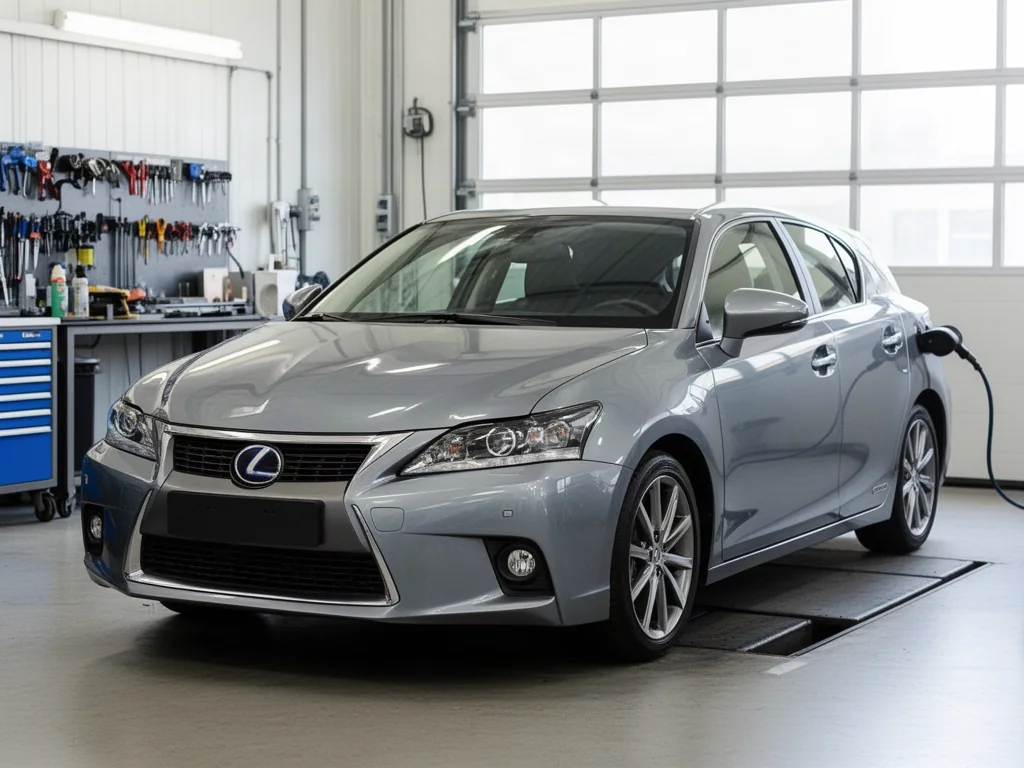
Lexus CT 200h hybrid battery replacement is a high-voltage pack decision, not a 12-volt battery swap. Owners typically start with lifespan questions, warning symptoms, and replacement cost after a hybrid system warning or a change in how the car uses electric assist. A useful plan identifies the traction battery, documents how the vehicle behaves, and treats diagnostic assessment as the step that separates a needed pack from other hybrid faults.
Identify the CT 200h Hybrid Battery Before Planning Replacement
The CT 200h hybrid battery is the high-voltage battery pack that stores energy for electric assistance and recaptures energy during regenerative braking. That traction pack works with the hybrid system so the car can motor, assist, and recharge without using the 12-volt battery as the energy store for propulsion. The 12-volt battery still powers lights, computers, and accessories, so a battery-related complaint can point to either system. Identifying which battery is involved keeps a replacement quote from being written against the wrong part.
Before a shop prices Lexus CT 200h hybrid battery replacement, it needs the model year, VIN, mileage, and relevant service history. Those details confirm which pack the vehicle uses, whether prior hybrid work exists, and how far the diagnostic assessment should go. Cooling-system service, prior warning history, and storage or accident notes can change repair scope even when the complaint sounds like a failed pack. A quote written without that identification can describe a complete high-voltage battery pack that the car does not actually need.
What Battery Lifespan Can Tell an Owner
Battery age and mileage on a Lexus CT200h hybrid battery cannot establish remaining service life or justify replacement by themselves. Heat exposure, highway versus short-trip use, long storage, and battery cooling airflow all influence how the pack ages, yet none of those factors produce a fixed lifespan that applies to every CT 200h. A pack that has lived in hot climates with restricted cooling ducts can decline sooner than a similar-mileage pack that stayed cooler and well ventilated. Lifespan talk is useful context, not a replacement trigger.
Documented symptoms and a professional battery health assessment are what inform replacement planning. Battery state of health describes current condition from measured data, not a promise of remaining years or miles. The assessment can show whether capacity, imbalance, or cooling-related stress is already limiting electric assistance, which is more useful than guessing from the odometer. Owners should treat that snapshot as planning evidence: it supports a decision about Lexus CT 200h hybrid battery replacement when it aligns with the complaint, and it argues against a pack if the pack still meets the vehicle's present needs.
Warning Signs That Warrant a Hybrid System Assessment
A hybrid system warning, unusual charge-display behavior, louder battery fan noise, or a persistent change in fuel economy can justify a hybrid system assessment without proving the high-voltage battery pack has failed. Weather, traffic, accessory load, tire condition, and other vehicle faults can change those same observations. A cooling fan that runs more often may be responding to restricted battery cooling airflow or to a different electrical issue. Treat the signs as a reason to inspect, not as a self-diagnosis that the Lexus CT200h hybrid battery needs replacement.
Record warning messages, when they appeared, and any recent change in how the car starts, assists, or charges so the technician can connect the complaint to stored data. Follow displayed warnings and the owner's manual rather than continuing to drive through unexplained hybrid alerts. Severe power loss, smoke, or unusual heat is a reason to stop safely and arrange assistance, because those symptoms can involve more than a weak pack. Safe notes and timely assessment protect both the vehicle and the later replacement decision.
Confirm the Fault Before Authorizing a Battery Pack
Diagnostic codes are evidence to interpret, not proof that the traction pack has failed. A shop should not recommend Lexus CT 200h hybrid battery replacement from a code list alone; supporting test results have to show that the pack, rather than a sensor, inverter, cooling, or control issue, is the limiting fault. Manufacturer-dependent code meanings also change with model year, so the same number on a CT 200h must be confirmed for that vehicle before anyone treats it as a battery verdict. Vehicle-specific confirmation keeps a code from being stretched into a pack sale.
Professional diagnostic assessment should review battery data, battery cooling airflow and fan operation, related electrical faults, and the 12-volt supply that keeps hybrid controllers alive. A weak 12-volt battery can produce hybrid warnings that look like high-voltage trouble, which is why both systems belong in the same inspection. Ask for a written diagnosis that explains the evidence for replacement and lists any additional faults that would still affect the repair after a new pack is installed. That document is what an owner authorizes, not a verbal impression of the hybrid battery.
Replacement Options and Documentation to Request
Replacement options for a Lexus CT200h hybrid battery typically include a new pack, a remanufactured pack, and a used pack, and each one still needs availability and fitment confirmed for the specific vehicle. A new pack is unused product as supplied; a remanufactured pack is rebuilt to the supplier's process; a used pack is a take-off from another vehicle. Labels such as rebuilt or refurbished are not self-explanatory. Require a written description of the supplied pack's condition, testing, and work performed so the quote is describing hardware, not a marketing word.
The proposal must also state whether it covers a complete high-voltage battery pack or a limited repair of modules, contactors, or cooling parts. Replacement warranty terms should name covered parts, labor, exclusions, and the claim process, because those details change the real value of the option. High-voltage battery replacement belongs with qualified technicians who can handle the pack safely and arrange return or recycling of the removed unit. Owners should not treat a used or remanufactured choice as automatically equivalent to a new pack without that documentation.
What a Complete CT 200h Battery Replacement Quote Includes
Lexus CT 200h hybrid battery replacement cost is an installed cost that only a vehicle-specific local quote can defend, because pack sourcing, shop labor, location, and confirmed repair scope all move the total. A complete quote should break out pack cost, diagnostic charges, installation labor, applicable taxes, shipping, and any separately justified work such as cooling repair. Without that breakdown, a single number can hide unfinished diagnosis or extra parts. Avoid treating any advertised figure as the current price for every CT 200h.
Core charge, return requirements, and refundable deposits belong on the same paperwork, because the first payment is often higher than the final cost after the old pack is returned. Warranty coverage, if any remains, should be checked with the VIN, market, and vehicle history before authorizing a customer-pay pack. Written authorization should also spell out post-installation verification so the shop confirms hybrid operation after the work, not only that a pack was installed. Those terms, plus the replacement warranty, are what make Lexus CT200h hybrid battery replacement cost comparable between shops.