Lexus Check Engine Light: Causes and Diagnostic Next Steps
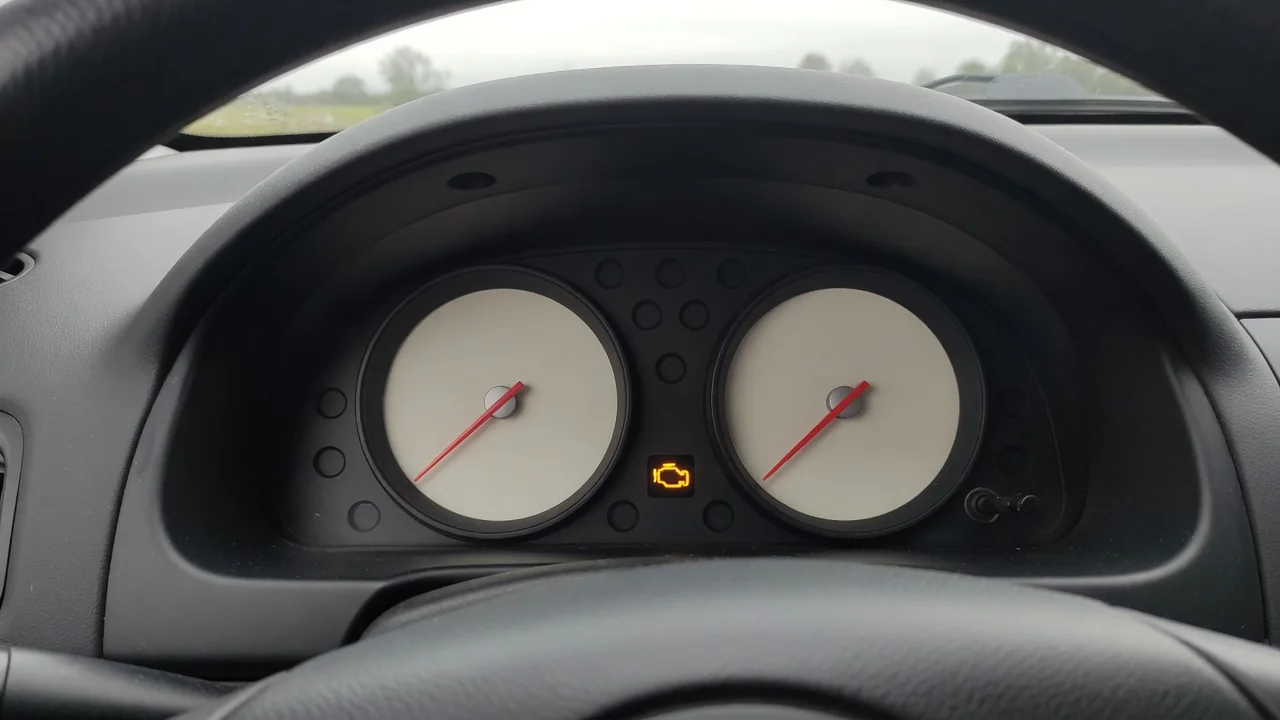
A Lexus check engine light, also called the malfunction indicator lamp, means the engine-control system has detected an emissions-related or engine-management concern. The lamp does not name a failed part. Stored diagnostic trouble codes, pending codes, and freeze-frame data help a technician interpret what the control module observed. Model year, engine, and symptoms decide which next steps apply.
What the Check Engine Light Means on a Lexus
The engine-shaped warning on a Lexus instrument cluster reports that the powertrain control module has logged an emissions or engine-management fault. It is not a parts list. The same lamp can appear for a small evaporative-emissions leak, an oxygen-sensor circuit concern, fuel-trim drift, or an engine misfire, so the light itself never proves a component has failed. A technician still has to compare stored diagnostic trouble codes with live data and freeze-frame conditions before any repair is justified.
Drivers often confuse that engine-outline lamp with oil-change or other maintenance reminders, which use different messages or icons depending on the Lexus model and year. The owner's manual for the specific vehicle is the reliable way to tell those reminders apart from the malfunction indicator lamp. Which diagnostic information applies also depends on model year, engine family, hybrid or conventional powertrain, and any accompanying drivability change. A warning that appears only after a cold start on one engine may point toward a different test path than a warning that appears under load on another.
When to Stop Driving and Arrange Help
A flashing engine check light on a Lexus can mean an active engine misfire that may overheat a catalytic converter if driving continues. In that situation, reduce speed, pull over when it is safe, and arrange roadside assistance rather than continuing at highway load. Severe shaking, stalling, a large loss of power, visible smoke, or a strong fuel odor are additional reasons to stop in a safe place and seek help. Those symptoms suggest combustion or fuel control is not merely out of specification; they can raise the risk of further exhaust or engine damage.
Treat a high-temperature warning or low oil-pressure warning as a separate emergency even if the malfunction indicator is also illuminated. Those gauges and lamps protect lubrication and cooling, so a safe stop and engine shutdown are the priority until the cause is identified. A steady check engine light without obvious drivability change still needs timely diagnosis. The absence of shaking or smoke does not prove continued driving is safe, because some catalyst, fuel-trim, or evaporative emissions system faults can worsen without dramatic symptoms.
Fault Categories That Can Trigger the Light
Ignition, fuel-delivery, and air-metering problems can all disturb combustion enough for a Lexus control module to set a misfire or fuel-trim related code. A weak spark, uneven injector delivery, or an incorrect mass-air reading can produce similar driver impressions, so ranking one cause as most common is not useful without vehicle-specific data. The relevant tests depend on the engine and model year. A code that mentions a coil or injector names a circuit or monitor result, not a confirmed failed part.
The evaporative emissions system can also turn on the lamp when vapor containment is outside the monitor's limits. On a Lexus that uses a removable fuel cap, a cap that is loose, cross-threaded, or damaged is one possible leak path, though it is not the only one. Oxygen-sensor feedback and catalytic-converter efficiency monitors can set related codes when a sensor circuit is slow, when an exhaust leak dilutes the sample, or when an upstream misfire or fuel-trim problem overloads the catalyst. Those codes still require confirmation on the exact engine and year rather than a universal parts list.
Safe Observations to Record Before Service
Before a shop visit, write down whether the light is steady or flashing, when it first appeared, and whether starting, idle quality, or acceleration changed. Note whether the warning came on after a cold start, on a long highway trip, or only after several short drives, because freeze-frame data later can be compared with that timeline. Those notes do not diagnose the fault, but they help a technician decide which live-data conditions to reproduce.
Also record recent refueling, scheduled maintenance, battery replacement or jump-starting, and any other warning messages, without assuming those events caused the lamp. If the vehicle has a removable fuel cap, park with the engine off and confirm the cap is seated as the owner's manual describes, staying clear of a hot exhaust. A warning can remain after an issue looks corrected because monitors may not have rerun. Clearing stored codes or disconnecting the battery before diagnosis can erase pending codes and freeze-frame data that showed the operating conditions when the fault set.
How Lexus Fault Codes Guide Diagnosis
Exact stored and pending codes, plus any freeze-frame snapshot, are the first useful record after a Lexus check engine light appears. Freeze-frame data captures engine speed, load, temperature, and fuel-trim context at the moment a monitor failed, which is often more informative than the code number alone. Capture that information before anyone erases it. Pending codes that have not yet matured into stored codes can still show which monitor is close to failing and should not be discarded as noise.
Manufacturer-dependent code definitions must be verified against the exact Lexus model, year, engine, and the control module that stored them. A generic OBD-II reader may display emissions-related P-codes, while some Lexus-specific messages or module communications require a scan tool with manufacturer-capable access. Either way, a code that names an oxygen sensor, catalytic converter, or evaporative emissions system is a starting point for testing, not proof that replacing that part will restore the system. Wiring, connectors, exhaust leaks, and upstream combustion faults can produce the same code.
What Professional Testing and Repair Confirmation Involve
A technician typically starts by matching symptoms to the stored and pending codes and to freeze-frame conditions, then watches live data under similar load. Fuel trim, oxygen-sensor switching, misfire counters, and evaporative-system status help decide whether the next test should look at ignition, fuel delivery, air metering, or vapor leaks. Code combinations matter: an efficiency code together with misfire or fuel-trim codes often points upstream of the catalyst rather than at the converter itself.
Professional follow-up can include circuit voltage and continuity checks, smoke or pressure leak testing of the evaporative emissions system, and ignition or fuel-system tests performed with the vehicle secured. Ask which measured results support the proposed repair and whether another fault could explain the same readings. Confirmation after work should include a drive cycle that allows monitors to complete and a check that the same codes do not return. A cleared malfunction indicator lamp by itself does not prove the concern is resolved, especially if pending codes or incomplete monitors remain.