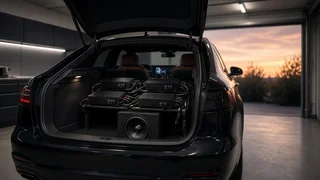
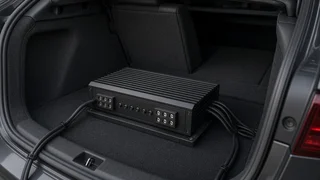
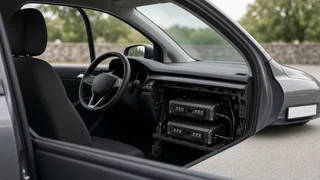
Legacy Car Audio Amplifiers

Choosing a legacy car audio amplifier can quickly turn into a confusing search for the right balance between period-correct sound and modern reliability. Older amplifiers often use different signal voltage and wiring conventions than current head units, which affects how the audio source connects and performs. Buyers should evaluate physical condition, power supply design, input sensitivity, and speaker wiring compatibility before purchase. A clear inspection plan helps separate a genuinely usable classic amp from a well-marketed but tired unit that may need costly repair.
The direct answer
A legacy car audio amplifier is worth buying when its internal power supply matches the vehicle's electrical system and the available input signal from the head unit, and when the speaker wiring can be routed without damage. The most important check is whether the amplifier is stable at the impedance of the intended speaker load. Older models intended for high-current, low-impedance operation may run hotter or shut down if connected to mismatched modern speakers.
The condition of the input stage matters as much as the output section. Legacy amplifiers often accept speaker-level signals through high-level inputs, while many newer source units provide only low-level preamp outputs. If the amplifier has adjustable input sensitivity or selectable input voltage, it can usually be integrated cleanly with a modern radio. Otherwise, vehicle integration may require a line output converter or a compatible source unit with the correct signal voltage.