LB7 Glow Plug Control Module Selection: Fitment, Features and Limits
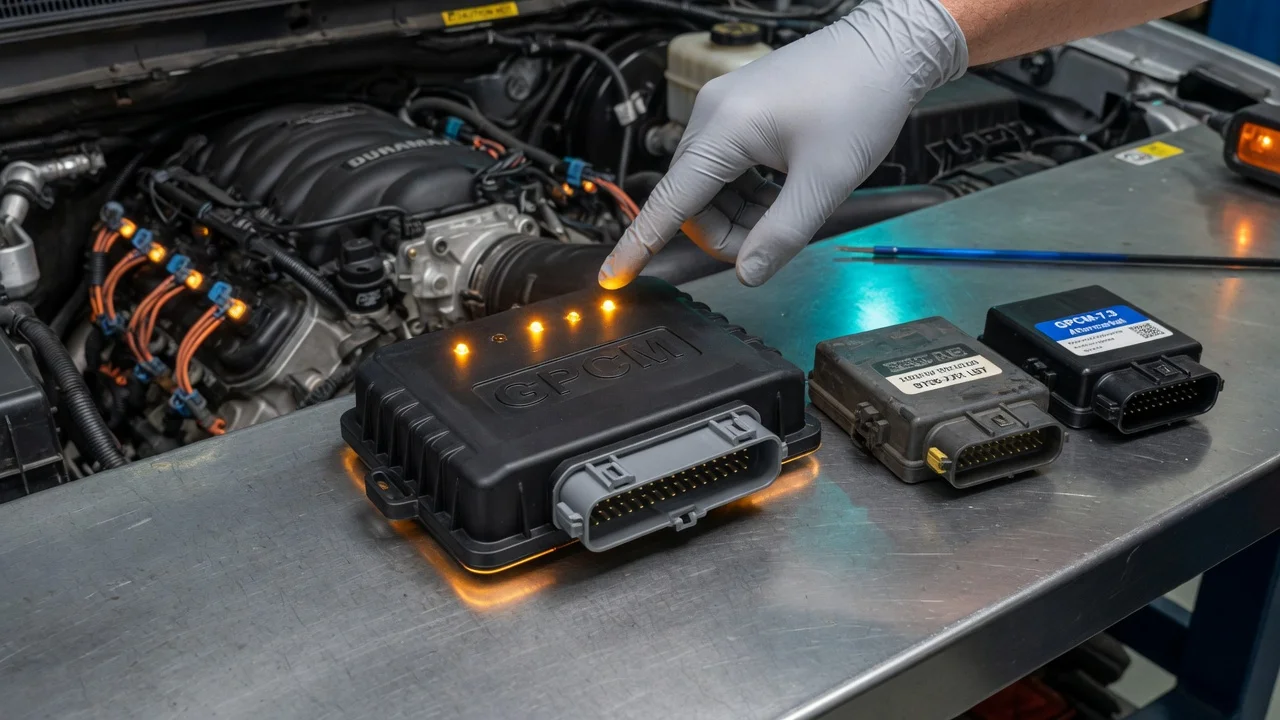
The glow plug control module on an LB7 Duramax switches current to the engine's eight glow plugs so the diesel can light off in cold weather. When it fails, owners usually notice long cranking, white smoke and a rough idle until the engine warms up. Choosing a replacement is not difficult, but buying the wrong part costs money. Replacing a good module when the real problem is in the plugs, the harness or the fuel system also wastes money. This guide covers how to confirm the need, check fitment and compare options sensibly.
Define the job the module must do
The LB7 is the 6.6-liter Duramax V8 used mainly in 2001 to early 2004 Chevrolet Silverado and GMC Sierra heavy-duty pickups. In this engine configuration there is one glow plug per cylinder, four per bank. The engine control module decides when and how long the plugs should heat, using coolant temperature and other inputs. The glow plug control module is the power switch that carries out that command and reports circuit faults. Its job only matters below the temperature where the engine starts easily on compression heat alone. Your need depends on how you use the truck. A truck that starts outdoors in a northern winter, tows in cold mornings or sits for days between drives depends on the glow system more than one kept in a heated garage or plugged into a block heater. Downtime also matters: a truck you rely on daily may justify an in-stock part with fast support over a slightly cheaper option with a long wait.
Before buying anything, confirm that the module is actually at fault. A scan tool can show stored glow plug circuit codes and, on many tools, the commanded glow plug status. Measure the resistance of each plug and check the high-current supply, ground and control signal at the module. If the engine is also slow to start when fully warm, look past the glow system. Common causes are air entering on the suction side at the fuel filter housing, low rail fuel pressure from the high-pressure fuel pump, or leaking injectors. Injector balance rates, the per-cylinder fuel trim figures a scan tool reports, can help separate an injector problem from a cold-start electrical fault.
Check compatibility
Start by confirming that the truck really has the LB7. Check the RPO label in the glove box or the engine code in the VIN. The LB7 and the later LLY look similar, and owners sometimes order by model year alone. Do not assume a module listed for a later Duramax will interchange. Match the part number stamped on the original unit, or use catalog fitment that names the LB7 specifically, not just the truck model.
Several interfaces decide whether a replacement fits. The harness connector shape and terminal layout must match, the mounting points must line up, and the high-current supply connection must be the same type. Check whether the listing includes the plug-side harness or only the module itself. Inspect the connector on the truck before ordering. A corroded, heat-damaged or broken connector will not be fixed by a new module, so you may need a harness pigtail or repair as well.
Features that affect the choice
The main choice is between an original-equipment module, a new aftermarket unit and a remanufactured part. Useful evidence includes a part number that matches or cross-references the original, stated LB7 fitment, a written warranty with a clear claim process, and the seller's return policy for electrical parts. Many sellers will not accept an installed electrical component back, so read that policy before ordering. Also check whether a gasket, hardware or a sealed connector is included. For a remanufactured unit, ask what was replaced or tested, since a vague answer tells you little.
Treat marketing labels with caution. Terms such as heavy duty, upgraded, plug and play or lifetime describe a sales pitch rather than measured performance unless backed by specifics. Kits that bundle a module with eight glow plugs can be convenient, especially if the plugs are original or high mileage. Even so, confirm that the plugs match the type specified for the LB7, and avoid mixing plug types across the banks.
Limitations and ownership costs
A new module cannot repair a burned-out glow plug, a chafed harness or a weak battery, and it does nothing for fuel delivery. The glow system draws heavy current. Tired batteries or poor cable connections can mimic a module failure, so test both batteries first. Glow plug replacement adds cost and risk. Plugs that have been in place for many years can seize, and breaking one in the cylinder head turns a simple job into a much larger one. Access is often easier with the inner fender liners removed. Budget for dielectric grease, possible harness repair, and a scan tool to clear codes and confirm the circuit afterward. A block heater remains a worthwhile cold-weather aid even with a healthy glow system.
If diagnosis leads you into the fuel system, respect its pressure. The LB7 is a high-pressure common-rail diesel, and rail pressure is far higher than in any gasoline system. Never loosen high-pressure lines or injector fittings with the engine running, or to bleed air from the system. Let the system bleed down after shutdown as the service information directs. For a leak check, use cardboard or paper, never your hand, because a pinhole spray can inject fuel through skin. On the low-pressure side, replace the fuel filter at the specified interval and drain water from the separator.
Use the right fuel for the season. Winter-blended diesel resists gelling better than summer fuel. Anti-gel additives may help prevent waxing when added before the cold arrives, but no additive is a proven repair for a failed module, bad plugs or worn injectors.
Build a practical shortlist
Narrow the options with a short checklist rather than a ranking. Confirm the fault with codes, plug resistance and supply checks. Confirm LB7 fitment by part number, not just by model year. Make sure the connector and mounting match what is on the truck. Get the warranty and return terms in writing, and know exactly what is included in the box. Weigh price against how long the truck can sit while you wait. Two or three candidates that pass every item are enough to compare on cost and availability.
After installation, clear any stored codes and let the truck sit until the engine is fully cold. On the next start, use the scan tool to confirm that the glow plugs are commanded on and that no circuit faults return. If cold starts improve but hot starts remain slow, the remaining problem is most likely on the fuel side, not in the new glow plug control module.