Launch Diagnostic Scanners: How to Choose a Model
Start with the intended use
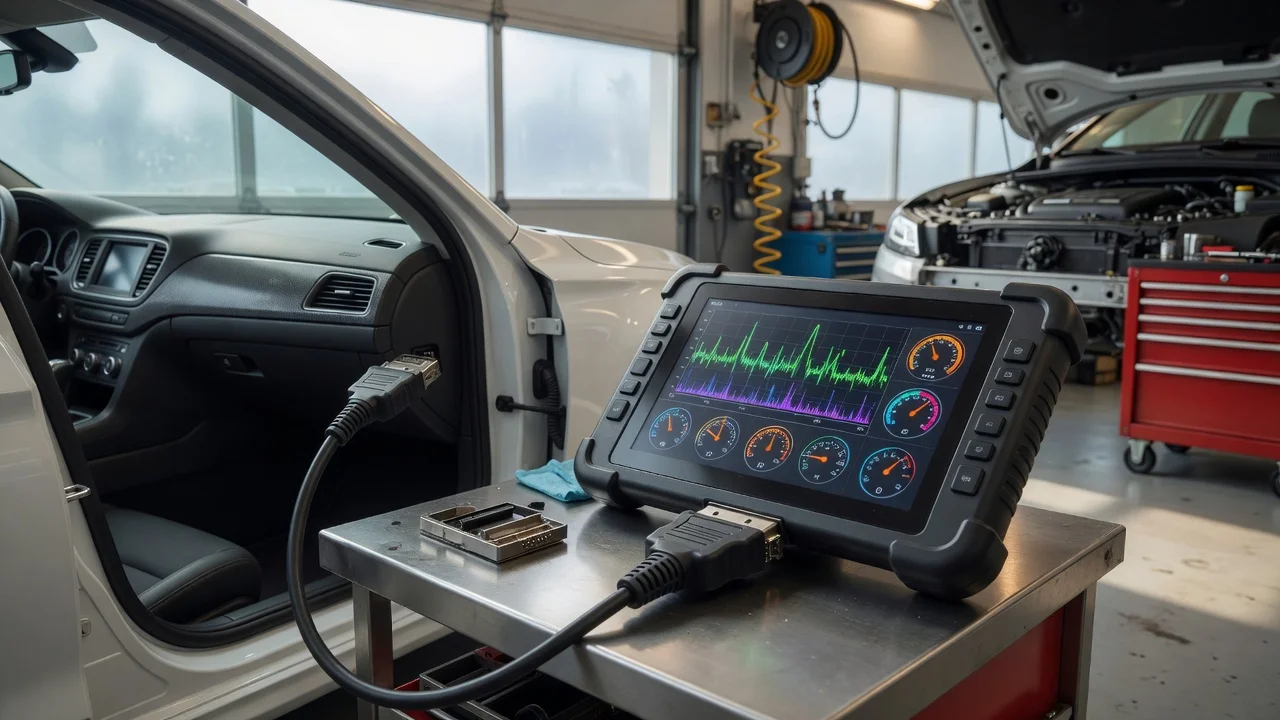
Before choosing a Launch diagnostic scanner, define where and how you will use it. A handheld tablet-style tool may suit a workshop bay, while a compact Bluetooth adapter can be easier to keep in the vehicle for occasional checks. Think about whether the scanner needs to work on one vehicle family, a mixed fleet, or vehicles from several brands.
Also consider the normal operating conditions. A bright display and protective case matter more for outdoor or mobile use, while a fixed workstation can tolerate a larger device that stays on a bench or trolley. The scanner should be able to connect to the diagnostic port easily, remain readable in the available light, and give the person using it enough information to continue with the job.
Features that matter
Check what the scanner can actually do with the vehicle, not just how many functions are listed. Basic tools read and clear engine fault codes, while more capable diagnostic scanners may also access ABS, airbag, transmission, body control, and other electronic modules. If you need active tests or service functions, look for those named capabilities in the product description.
Connection type affects everyday use. Wired scanners plug directly into the OBD2 port and can be reliable, but cable length and durability are worth checking. Wireless scanners using Bluetooth or Wi-Fi let you position a phone or tablet separately from the port. For either type, confirm that the data refresh rate and available menus are practical for the diagnostics you expect to perform.
Screen and controls should support the information density of the tool. A small adapter without a screen depends entirely on the companion app, while a tablet scanner should have a display and touch controls that make long menus readable. Physical buttons can be easier to use with gloves, but this is a preference rather than a universal advantage.
Check compatibility
Compatibility begins with the vehicle connector and protocol. Most modern vehicles use an OBD2 interface, but the modules and manufacturer-specific data that a Launch scanner can read vary by model and software coverage. Check the manufacturer's model list or supported vehicle coverage for the specific scanner instead of assuming all Launch devices offer the same functions.
For Bluetooth or Wi-Fi adapters, check the operating system and app requirements for your phone or tablet. Some apps may require a newer Android or iOS version, an account registration, or a particular connection method. A scanner that needs a stable internet connection for certain functions may be less useful in areas with poor mobile service.
Power and storage are also practical limits. A tablet scanner needs to hold enough charge for a realistic work session, while a plugged-in adapter draws power from the diagnostic port or the host device. Check whether updates can be downloaded, how much storage they require, and whether the scanner operates normally while offline.
Build a shortlist
Use a checklist to compare a small number of Launch diagnostic scanner models instead of searching through every available variant. Start with the vehicle years and brands you need to cover, then remove any scanner that does not list that coverage or the required modules.
Vehicle brands, years, and fuel types to be diagnosed; Required systems such as engine, ABS, airbag, or transmission; Connection type: wired, Bluetooth, or Wi-Fi; Phone, tablet, or built-in display preference; Service functions or active tests needed for the work; Operating system and app compatibility for wireless models; Display size, battery life, and suitability for the work environment; Update method and offline usability
After scoring each model against that list, keep only the options that meet the required items. Optional features can then help you choose between otherwise suitable scanners. Confirm the final choice against the seller's or manufacturer's listed compatibility before buying, especially if the vehicle is older, modified, or sold in a market with different emissions standards.