Land Rover Parking Brake Actuators: Identifying the Correct System and Part
Answer the main question
Land Rover does not use one universal parking brake actuator across the range. The correct part depends mainly on the model, model year, whether the vehicle has an electronic parking brake, and which side or axle assembly is fitted. Some vehicles use a switch-controlled electronic parking brake with actuator motors at the rear calipers, while others use a cable-operated park brake or a separate drum-in-disc park brake. Before buying a part, confirm whether the actuator is a caliper-mounted motor, a separate cable actuator module, or part of the rear brake assembly. Using the wrong actuator can leave the parking brake unable to hold or release properly, and may create a safety risk.
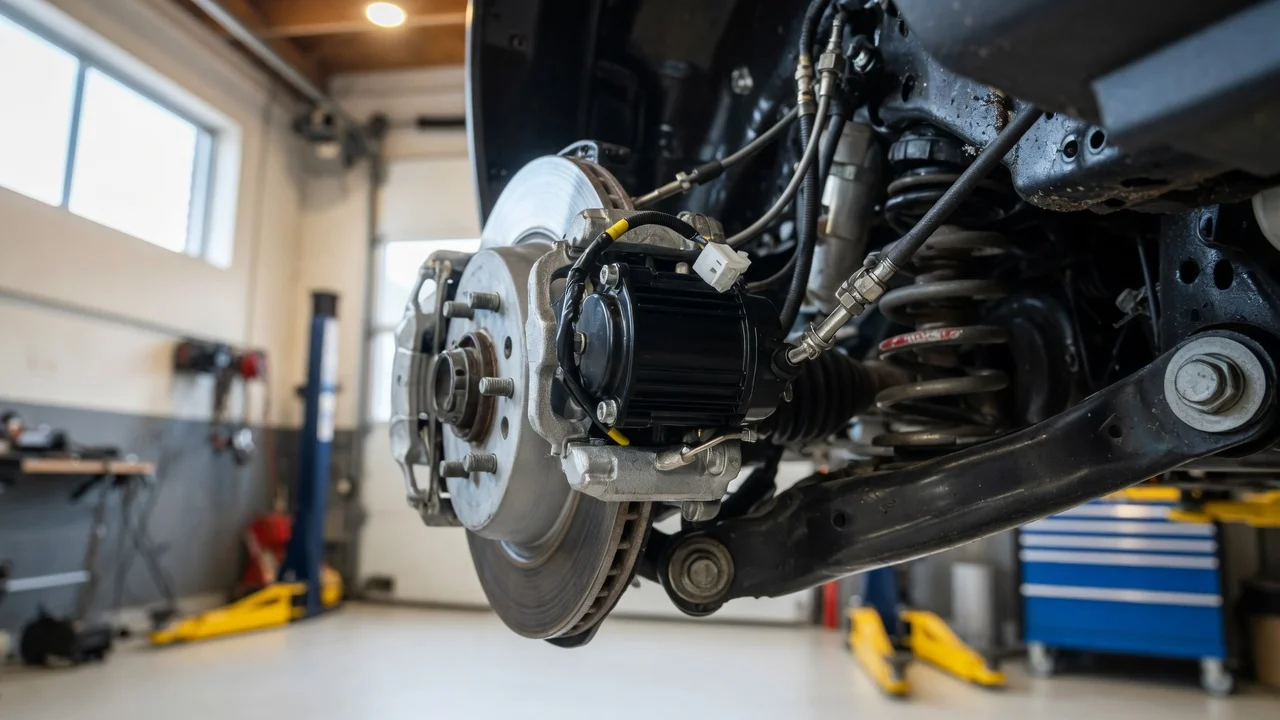
On many modern Land Rover models, the electronic parking brake actuator is part of the rear brake caliper. In this design, each rear caliper may include an electric motor that pushes the piston against the brake pads. Replacement is often sold as a caliper with actuator, but some suppliers list the motor separately. Older or utility-focused models may instead use a conventional lever or pedal operating cables to rear drum brakes or a drum-in-disc park brake shoe assembly. In those systems, there is no caliper-mounted electric actuator; the serviceable components are cables, levers, shoes, and related hardware.
Fitment must be checked by the exact vehicle. Even within one nameplate such as Range Rover, Discovery, or Defender, the park brake system can change between generations and facelifts. The best identification method is to inspect the rear brake type and compare the original part number or the vehicle VIN with the supplier's fitment data. A visual match alone is not always enough because similar-looking calipers may use different connectors, mounting positions, or software-controlled operating parameters.
How it works
An electronic parking brake actuator converts a command from the park brake switch or control module into mechanical force. In a caliper-type system, the control module sends power to a motor on the rear caliper. The motor drives a reduction mechanism that advances the caliper piston. The piston presses the brake pads against the rotor, and once the correct clamping force is reached, the motor stops. The system holds the brake without continuous hydraulic pressure because the mechanism remains in the applied position until the module commands release.
The control module monitors motor current and position to estimate clamping force and detect problems. It may require a service procedure before pad replacement so the piston retracts safely. The actuator is not a simple switch replacement; it works with the electronic control unit, wiring, and the mechanical condition of the caliper. If the caliper, brake pads, or connector are damaged, a new actuator alone may not correct the fault.
On cable-operated park brake systems, the "actuator" may refer to the lever mechanism, an electric cable puller, or the expanding mechanism inside the rear drum. The process is different: the actuator pulls a cable, and the cable moves a lever that expands the park brake shoes against the inside of the drum or rotor. Wear in the cables, shoe friction material, or expander can reduce holding force even when the actuator itself works.
What changes the answer
Brake rotor variation is one factor. Models can use solid or vented rear brake rotors, and some use a drum-in-disc arrangement where the parking brake is separate from the service brake. A caliper-mounted electronic actuator for one rear brake package will not necessarily fit a vehicle with a different rotor style or caliper family. Check both the brake type and the fitted rear axle specification.
Vehicle fitment also depends on wheelbase, market specification, and options such as towing or performance braking packages. A model sold in one region may have a different parking brake configuration from the same model sold elsewhere. Production changes during a model year can also create a split in parts. The supplier's listing should therefore be tied to the VIN or the original component reference, not just to a general model description.
Operating conditions affect diagnosis. Intermittent electronic parking brake faults may come from low battery voltage, water ingress at a connector, damaged wiring, or a failed caliper, not only from the actuator motor. If the brake drags or makes noise after application, the caliper slides, pistons, or brake pads may also need attention. Replacing the actuator without correcting the mechanical or electrical cause can repeat the fault.
What the owner can do
Start with a careful identification rather than ordering by appearance. Note the vehicle model, year, VIN, engine or powertrain if requested, and whether the rear brakes use a caliper-mounted parking brake motor, a drum-in-disc arrangement, or a separate cable actuator. Take a photo of the original component and record any visible part number before disassembly. Compare that number with the replacement listing.
For electronic systems, check for warning messages, audible warnings, or failure to apply or release before replacing parts. A fully charged battery and clean, secure connectors are basic checks that can prevent an unnecessary actuator replacement. If the parking brake cannot release and the vehicle needs to be moved, consult the owner's manual for the emergency release procedure for that model. Do not force the mechanism.
During brake service, inspect the brake pads and rotors against the manufacturer's wear limits. Worn friction material or a rotor at or below minimum thickness can reduce parking brake performance and may affect how a new actuator behaves. If the vehicle uses a drum-in-disc park brake, inspect the shoes, drum surface, and adjuster. Replace service parts only when they are below the specified wear limit or otherwise damaged.
Limitations and next step
A visual inspection cannot confirm every fitment detail. Many Land Rover electronic parking brake repairs require a diagnostic tool that can communicate with the park brake control module, retract the actuator, and perform a calibration or bedding procedure after replacement. Without the correct service function, the new actuator may remain in the wrong position or store a persistent fault.
Any parking brake fault that affects holding or release should be treated as a braking system defect. If the vehicle rolls on an incline with the parking brake applied, if the brake cannot be released safely, or if there is a burning smell, smoke, or severe drag, stop using the vehicle and arrange professional inspection. Qualified service can confirm the correct part by VIN, test the control system, and ensure the repair meets the manufacturer's procedure for brake force and safe operation.