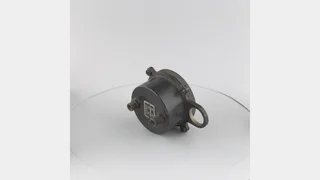
Kubota engine oil pressure switch

A low oil pressure warning on a Kubota engine is a starting point for diagnosis, not a complete diagnosis by itself. The oil pressure switch is the small electrical sensor that turns a dash light or gauge signal on and off, but it does not measure actual pressure. Because Kubota engines appear in compact tractors, mowers, excavators, generators, and other equipment, the switch location, connector style, and triggering pressure vary by engine series and application. Confirming whether the warning comes from a lubrication fault or a switch circuit fault helps you avoid replacing parts without evidence.
Essential answer
A Kubota engine oil pressure switch is an engine-mounted electrical sender that completes or breaks a warning circuit based on lubricant pressure near the switch port. At rest with the key on and engine off, the circuit usually shows the warning condition because pressure is absent. Once the engine starts, oil pressure moves the internal diaphragm or contact set, opening the switch circuit and turning the warning off. It responds to a single threshold rather than reporting a changing pressure value.
A failed switch may leak oil through its body, stick in one electrical state, or produce a false warning even when the lubrication system is healthy. The same symptom can also come from low oil level, an incorrect fill quantity for the engine series, a clogged pickup screen, oil dilution, a failing relief valve, or excessive bearing clearance. Before replacing the switch, a mechanical pressure check and a review of the lubricant specification and service interval narrow the likely cause from the equipment identification.