KNP Transmission Cooling System: Identifying the Right Equipment Option
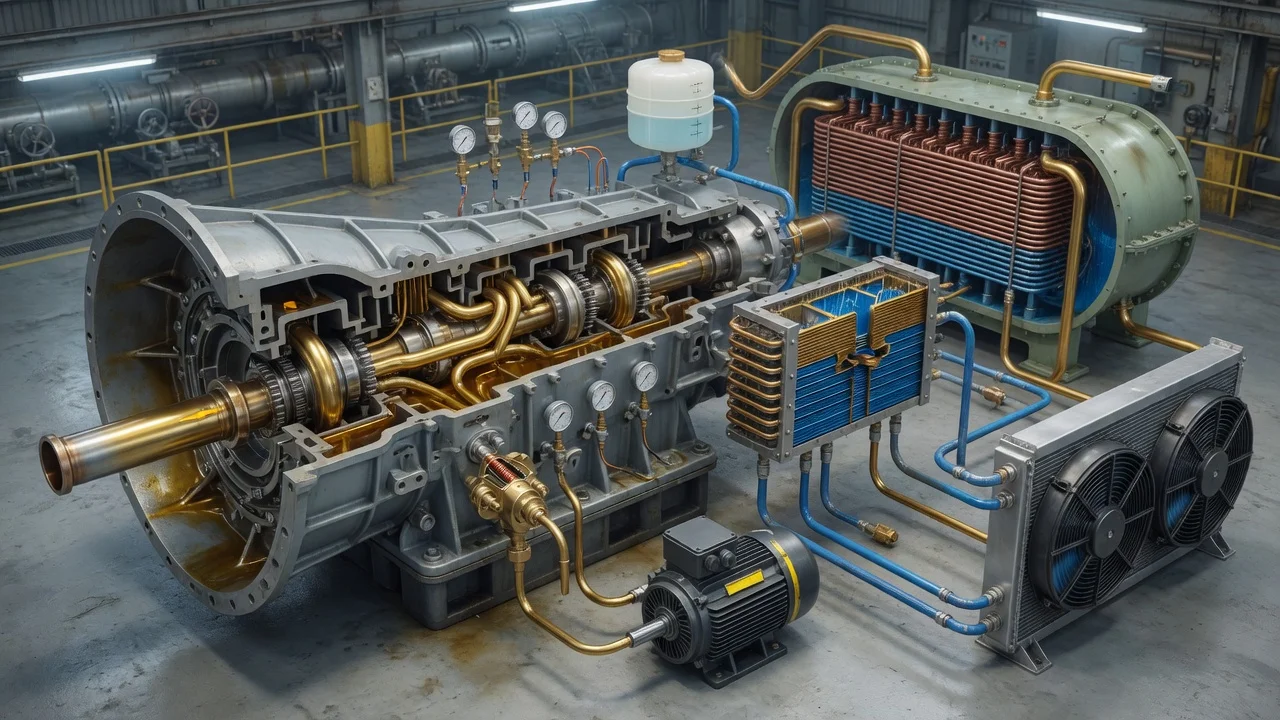
A KNP transmission cooling system is worth considering only after you know what problem it should solve and whether it matches your transmission. An auxiliary cooler can help a hardworking automatic or CVT stay within its intended temperature range, but it does not cure every shifting complaint. This guide covers how to define the job, check fitment, weigh features and ownership costs, and build a shortlist. The aim is to judge this equipment option on evidence rather than labels.
Define the job the product must do
Start with how the vehicle is actually used. Towing, hauling heavy loads, long mountain grades, stop-and-go traffic in hot weather, off-road crawling and performance driving all raise fluid temperature. A commuter on flat roads with a healthy factory cooler may gain little from added capacity. Write down the year, make, model, engine and drivetrain. Also note whether the vehicle left the factory with a tow package, because some packages already include an auxiliary transmission cooler. The owner's manual definition of severe service is a useful reference for whether your driving falls into that category.
Keep the cooling goal separate from a repair. Owners often start shopping because of harsh or delayed shifts, slipping, flare between gears or a warning light. Those symptoms have many possible causes, including low or degraded fluid, solenoid or valve body problems, sensor faults, software issues and internal wear. Better cooling may reduce future heat stress, but it does not identify or fix whatever is causing current shift behavior. Before buying, read any stored diagnostic codes, check the fluid level using the manufacturer's procedure and review the service history. Then note your practical constraints: budget, available mounting space, and whether you will install the cooler yourself or pay a shop.
Check compatibility
Identify the exact transmission type and configuration first. It may be a conventional automatic, a CVT, a dual-clutch unit or a manual with its own cooling circuit. The transmission model code may appear on a tag on the case, on the build sheet or in a dealer lookup by VIN. The same vehicle model can use different transmissions depending on year, engine and two- or four-wheel drive, so do not assume fitment from the model name alone. Factory cooling circuits also differ. Some route fluid through a cooler in the radiator tank, some use a separate external exchanger, and some add a thermostatic valve or a coolant-to-fluid warmer. Confirm how the KNP kit is meant to connect to the circuit your vehicle actually has.
Next, compare the physical and fluid interfaces. Check the line size and fitting style, such as barbed hose ends, threaded fittings or factory quick-connects, and whether the kit includes the adapters your lines require. Look at the hose temperature and pressure ratings, the mounting location in front of the radiator or condenser, and clearance to fans, sensors, bumper supports and airflow paths. Seals and hoses must be compatible with the fluid specification your transmission requires, and the cooler adds volume that must be filled with that same fluid. Many CVTs and newer automatics require a specific fill and check procedure at a set fluid temperature, and extra cooling can affect warm-up. If the listing does not state fitment for your exact transmission, ask the seller in writing before buying.
Features that affect the choice
Core construction is the main design difference. Tube-and-fin, plate-and-fin and stacked-plate designs are all common, and stacked-plate cores are generally regarded as more efficient for their size. Bigger is not automatically better. In a cold climate, an oversized cooler with no bypass can keep fluid below normal operating temperature, which may affect shift quality and fluid condition. A thermostatic bypass, built in or added, helps the fluid warm up before full cooling engages. An electric fan can help where airflow is weak, such as low-speed towing or off-road use, but it adds wiring and another component that can fail.
Separate useful evidence from marketing language. Terms such as heavy duty, maximum cooling and universal fit describe positioning, not performance. More useful details include core dimensions and type, fitting sizes, a complete hardware list, clear installation instructions, warranty terms and any capacity rating that explains the conditions it was based on. A weight or towing rating with no stated basis is hard to compare across products. After installation, the most reliable way to judge results on your own vehicle is to monitor fluid temperature with a gauge or a scan tool that reads it under the same driving conditions as before.
Limitations and ownership costs
Installation can be more involved than the box suggests. Some vehicles require removing the grille or bumper cover, routing new hoses away from hot or moving parts, and cutting or adapting the factory lines. Some fluid is lost during the work, so you need the correct fluid on hand. The level must then be set using the manufacturer's procedure, which on some transmissions means reading fluid temperature with a scan tool. Check for leaks after a full heat cycle and again after a few drives. If you lack the tools or lift access, budget for shop labor.
Ongoing ownership is mostly inspection. Check hoses and clamps for wear, chafing and seepage, clear debris from the fins, and look for impact damage, since front-mounted coolers sit in the path of road debris. Each fluid service now involves the larger total volume. If the transmission has already suffered internal damage, debris can lodge in cooler passages, and rebuilders often require a flushed or new cooler after a rebuild. Confirm what your shop or warranty provider expects before installing a cooler on a unit with a questionable history.
Be clear about what a cooler cannot do. It will not repair worn clutches, failing solenoids, a faulty valve body or a software problem. It will not restore fluid that is already burnt, make an incorrect fluid acceptable, or raise towing capacity beyond the vehicle manufacturer's rating. If symptoms are already present, your repair options should follow a diagnosis, with the cooler treated as a separate decision about future heat load.
Build a practical shortlist
Gather your baseline before comparing products. You need the transmission model code, whether a factory auxiliary cooler is present, the required fluid specification and approximate capacity, line size and fitting type, measured mounting space, your typical towing or load weight compared with the manufacturer's rating, and the climate you drive in. With those details written down, you can compare the KNP option against alternatives on the same terms instead of relying on product descriptions.
Run each candidate through the same checks. Is fitment listed for your exact transmission, or does a universal kit include the right adapters? Do the core type and dimensions fit your space without blocking airflow? Is there a thermostatic bypass if you face cold winters? Are the hoses rated for your fluid and operating temperatures? Is the hardware complete and are the instructions clear? Are the warranty terms in writing? What is the total cost, including fluid and any labor? Drop any option that leaves a fitment or fluid compatibility question unanswered. If the transmission already shows symptoms or stored codes, complete the diagnosis first and choose the cooler afterward.