Kia Soul Rough Idle: Common Causes and Safe Checks
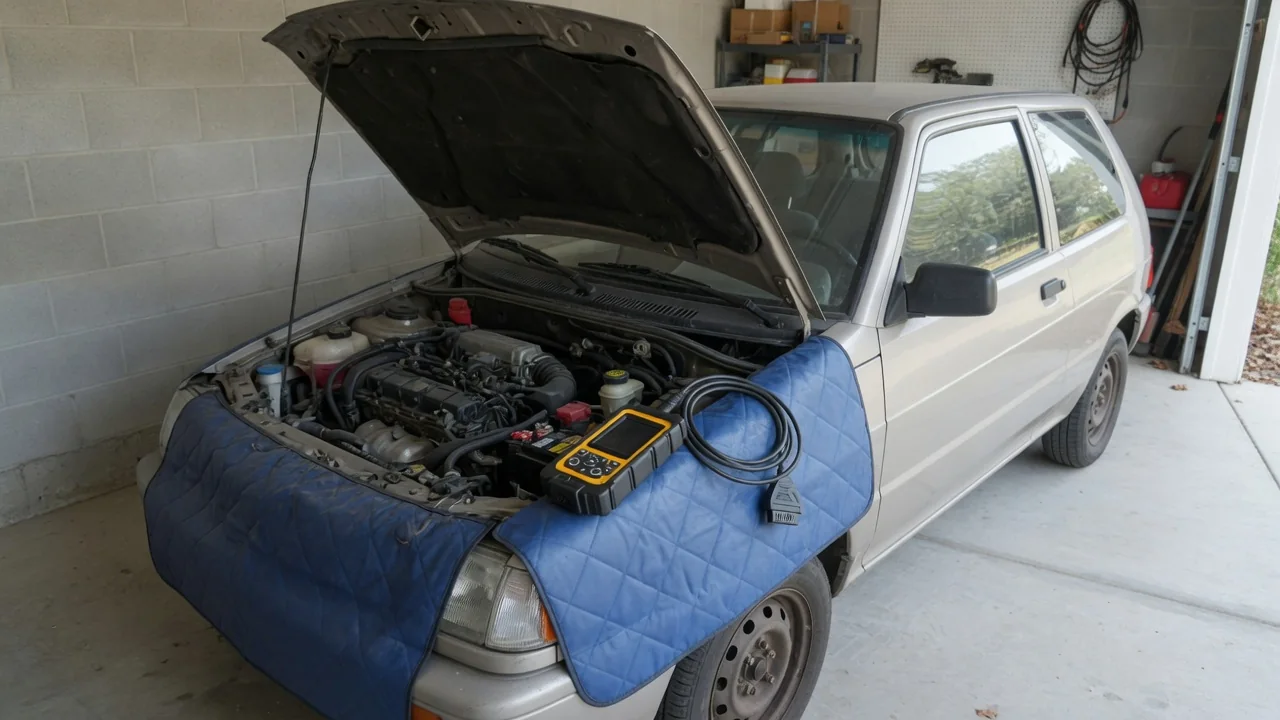
A Kia Soul rough idle can feel like the whole car is shaking at a stoplight, with the RPM needle dipping or hunting and a stumble when the A/C kicks on. Often, this points to an engine misfire at idle, a vacuum leak, a dirty throttle body, or even worn engine mounts. Before worrying about the worst, note what the check engine light is doing and when the vibration is strongest, because the pattern helps narrow down what your specific model year and engine actually needs.
What a Rough Idle Feels Like in a Kia Soul and What to Note First
The first sign of a rough idle in a Kia Soul is usually a rhythmic shake through the seat or steering wheel when the car is stopped in Drive. The tachometer needle may bounce slightly, or you may hear the engine speed surge and settle as the computer tries to correct an idle speed fluctuation. When the air conditioning compressor engages, the load increases and a weak idle becomes more obvious, sometimes turning a mild vibration into a noticeable stumble or even a stall as you coast to a stop.
Pay attention to when the symptom appears. A rough idle that is worse on a cold start and improves as the engine warms up points to different causes than one that appears only after the engine is hot. Test the same stop in Park and in Drive, and try cycling the A/C on and off. If you recently refueled, disconnected the battery, or had service performed, write that down. A steady shake that does not change with engine speed may actually be worn engine mounts, while a misfire tends to produce a sharper, uneven rhythm. Also note whether the check engine light is off, on steadily, or flashing, because a flashing light signals a serious misfire that should stop you from driving far.
Confirm Your Soul's Model Year and Engine Before Comparing Causes
The Kia Soul has been built across three generations with several different engines, so before you compare causes from a forum post or a video, confirm exactly which engine is in your car. The easiest places to check are the under‑hood emissions label, the owner’s manual, or the VIN, which a dealer or online decoder can translate into the engine code. A 2014 Kia Soul rough idle with the 1.6‑liter engine may not share the same common fault as a 2016 model with the 2.0‑liter, even if the symptoms feel identical.
If you own a 2014, 2015, or 2016 Soul, check your service records and ask an authorized Kia dealer whether any open service campaigns apply to your VIN. Manufacturer updates can affect idle control, engine calibration, or sensor replacement, and a free repair may already exist. Do not assume a fix reported for a 2015 Kia Soul rough idle will transfer to a 2017 model, because parts and procedures changed between years. Keep a simple log of mileage, recent maintenance, fuel brand, and exactly when the shaking started; this helps a technician avoid guessing and saves diagnostic time.
Causes Worth Checking When a Kia Soul Idles Rough
Ignition problems are a frequent reason for a rough idle in any four‑cylinder Kia. Worn spark plugs can cause an occasional misfire that feels like a soft, rhythmic kick through the floor, especially in gear at a stop. A failing ignition coil often produces a sharper misfire under load, and the check engine light may store a specific cylinder misfire code. Because the Soul relies on a smooth, precise spark to keep idle steady, even one weak plug or coil can make the engine shake noticeably at low RPM.
Air and vacuum faults are just as likely to upset idle quality. A cracked intake hose, loose clamp, or split vacuum line lets air enter the engine without passing through the mass airflow sensor. The computer then tries to manage an air‑fuel mixture it is not measuring correctly, causing fuel trim values to swing and the idle to hunt. A dirty throttle body can also restrict the small airflow needed at idle, forcing the electronic throttle to compensate unevenly. Fuel quality problems, a failing PCV valve, or an evaporative system leak can add to the confusion, but these need testing, not guessing, because many of them share the same outward symptom.
Reading the Check Engine Light and Trouble Codes Correctly
A basic OBD‑II scan tool or a free parts‑store scan can pull stored trouble codes from the Soul’s engine computer. A code never names a failed part; it points to a system or condition that is operating outside its expected range. For example, a code for a lean condition means the engine is receiving too much air or too little fuel, but it does not tell you whether the cause is a vacuum leak, a weak fuel pump, or a bad oxygen sensor. Treat the code as a starting point for testing, not as an invoice for a specific replacement.
Generic misfire codes are more direct because they identify which cylinder is misfiring, but they still cannot distinguish a bad spark plug from a failing ignition coil, a clogged injector, or a mechanical problem like low compression. Manufacturer‑specific codes require confirmation for your exact Soul, because Kia and Hyundai assign different meanings to the same numeric code across engines and years. Do not clear codes to hide the symptom; erasing a code before diagnosis removes freeze‑frame data that can reveal whether the misfire happened cold or warm, at idle or under load. A flashing check engine light with a rough idle means a serious misfire that can damage the catalytic converter, so reduce driving and seek service promptly.
Safe Checks Owners Can Do and When to Book Professional Testing
A few safe checks are possible with the engine off and cool. Open the hood and look for cracked or disconnected vacuum hoses, loose electrical connectors, and signs of oil or coolant seepage near the intake manifold or ignition coils. A loose gas cap can set an evaporative system code and occasionally cause a stumble after refueling, so tighten it and see if the idle improves over a couple of drive cycles. Check whether routine maintenance such as spark plugs and the air filter is up to date according to your owner’s manual, because neglected wear items are a common cause of a rough idle.
Do not open the fuel system, pull ignition wires while the engine is running, or unplug sensors to see what happens. Those actions can create dangerous sparks, high‑pressure fuel spray, or new fault codes. Instead, book professional testing for symptoms that are severe or getting worse: a flashing check engine light, stalling in traffic, a fuel smell, overheating, smoke, or knocking noises. A shop can smoke‑test the intake for vacuum leaks, watch live fuel trim data while the idle changes, perform a compression or leak‑down test, and scope the ignition system, none of which are practical with a consumer scan tool.
Other Kia and Hyundai Models With a Rough Idle: Check Your Own Vehicle's Details
The general approach to a rough idle is the same for a 2013 Hyundai Elantra, a 2004 Santa Fe, a 2006 Sonata, or a 2014 Forte, but the details are not transferable. Each model uses a different engine family, sensor layout, and idle control strategy. An Elantra owner should not assume that a common Soul repair, such as cleaning a specific throttle body, applies to their car, even if both are Hyundai Motor Group vehicles and the symptoms feel identical.
For owners of those other models, follow the same discipline: record the symptom pattern, scan for codes, verify what each code means for that exact VIN, and do only safe visual checks. Engines, service procedures, and even the location of the PCV valve vary by model and year. The best next step is to look up your own vehicle’s service history and any open campaigns through an authorized Hyundai or Kia dealer, then get professional testing when the rough idle is severe, repeated, or accompanied by a flashing check engine light.