Kia Soul EV Range by Model Year and Battery Size
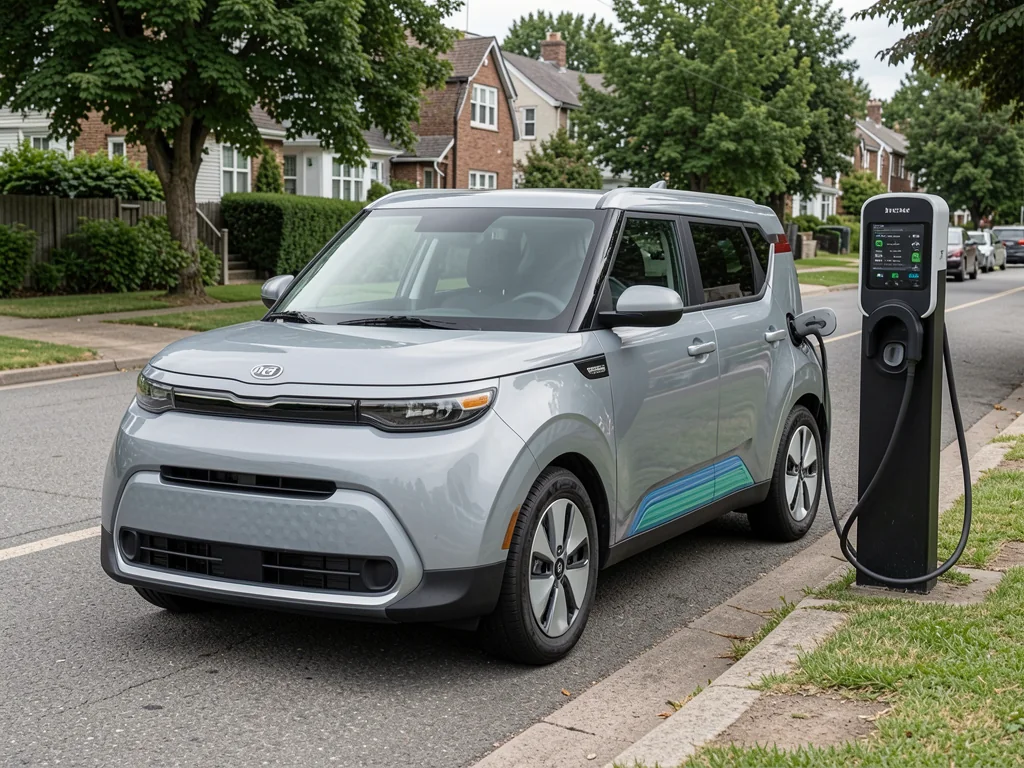
The range of a Kia Soul EV depends on model year, battery capacity, and the rating standard in the original sales market. US EPA, Canadian, and UK WLTP figures are not interchangeable, and a dashboard estimated remaining range is not a published rating. Used buyers should match year and pack size, then allow for weather, charging access, and battery state of health.
Find the Range Rating for the Right Soul EV
A published Kia Soul EV range is a laboratory rating for a specific model year, battery version, and test cycle in a named sales market. Searching range of Kia Soul EV or range Kia Soul EV without those details mixes first-generation US cars with later export packs and treats EPA, WLTP, and Canadian range ratings as the same trip. Window-sticker and certification language identify the car; converting miles to kilometers does not convert test cycles.
Rated driving range describes a standardized test when new. The cluster's estimated remaining range is a live prediction that moves with recent use, climate settings, and usable battery energy. Trip distance is another number, shaped by speed and hills. Battery capacity is energy in kilowatt-hours; driving range is miles, with kilometers for Canadian and UK papers. Soul EV years from 2015 onward are grouped with each figure kept beside its market and cycle.
2015–2017 Soul EV Range and Canadian Specifications
The 2015 Kia Soul EV range, 2016 Kia Soul EV range, and 2017 Kia Soul EV range in the United States are first-generation EPA ratings for those model years, not a shared lifetime number. Original battery capacity on those US cars is the launch pack; later Soul EV batteries differ. Confirm the figure on that vehicle's window sticker or year-matched paperwork instead of assigning a later pack's range to an early chassis.
Listings that quote 2016 Kia Soul EV range Canada should use the original Canadian kilometers rating, not a converted US EPA miles figure. Converting a US rating does not create a Canadian certified rating. A 2017 Kia Soul EV Plus range search names a trim in the relevant market and does not by itself prove a different battery or published range. An original rating describes the vehicle when new and cannot establish present range on a used example.
2018–2019 Soul EV Battery Capacity and Rated Range
The 2018 Kia Soul EV range and 2019 Kia Soul EV range in the United States belong to the first-generation body with a later battery update used on those model years in that market. Treat each year's EPA range rating and documented battery capacity as year-specific rather than assuming every 2018 or 2019 registration received the update. Build records and the original window sticker identify which pack is fitted when a used listing is vague.
Where literature lists both gross and usable battery capacity, keep those labels distinct: usable battery energy is what the control system draws for driving. Model-year documents and original specifications resolve ads that copy neighboring Kia Soul EV range 2018 or Kia Soul EV range 2019 text. If only one capacity number is published, do not invent the other. A new-vehicle rating still does not describe today's battery state of health.
2020, 2022, and 2023 Soul EV Range by Sales Market
Kia Soul EV range 2020 and Kia Soul EV 2022 range figures apply only where that later Soul EV was sold; they do not imply US availability. Identify the sales market first, then the battery version and rating cycle, typically WLTP in Europe. A 2020 or 2022 example may have more than one pack option, so the VIN and original type-approval documents show which battery the car carries.
Buyers asking about 2023 Kia Soul EV Premium range are asking a trim question before a battery question. Premium names equipment in some markets and does not automatically select pack size or driving range; confirm that market's 2023 sheet. First-registration year, model year, and imported-vehicle descriptions often disagree, pairing a US-spec car with a later export rating. Keep regional ratings labeled separately. Converting miles to kilometers does not convert EPA, Canadian, or WLTP cycles.
Estimate a Used Soul EV’s Practical Driving Range
Practical distance on a used Soul EV falls when air is cold, cabin heating is on, highway speed is high, the route climbs, tires are underinflated, or the vehicle is loaded. Cold-weather range drops because the pack delivers energy less readily and cabin heat draws from the same usable battery energy that turns the wheels. Steady highway speed uses more energy per mile than the mixed-cycle test behind an EPA or WLTP rating.
On a normal test drive, note starting charge level, distance traveled, weather, route, and ending charge level; that outing does not establish full-charge range or battery state of health. A short drive and a dashboard estimate cannot reliably establish either. If range loss is unexplained, review battery service records and obtain a professional battery assessment. Plan a charging reserve for the regular route and confirm dependable charging access at home, work, or along that path.
Understand Kia EV Range and Long Range Labels
Kia EV range searches also return other battery-electric Kia models besides the Soul EV; the Niro EV is covered separately. EV6 and EV9 ratings are published by model year, market, battery, drivetrain, and wheel specification because those choices change the certified number. Kia EV long range or Kia long range EV identifies a particular battery configuration and does not promise a fixed everyday distance. Read the original rating for that combination rather than treating Long Range as universal mileage.
Kia EV range UK queries should use applicable WLTP figures in miles for the UK-market vehicle, labeled as UK WLTP rather than EPA or Canadian numbers. Wheel size and dual-motor versus single-motor layouts can each carry their own WLTP line. Soul EV ownership and model-year identification remain the focus after a short look at those labels. Mixing a Long Range EV6 sticker with a first-generation Soul EV listing inflates used-range claims.
Clarify What Sportage EV Range Refers To
Kia Sportage EV range is not a Soul EV question and should start with powertrain and sales market. Where Sportage is a plug-in hybrid, electric-only range is the certified distance on battery energy before the engine is needed, labeled separately from total range using fuel and battery energy. Confirm model year and plug-in configuration before treating any figure as electric-only range; a conventional Sportage is not a battery-electric vehicle.
Conventional Sportage hybrids can launch on electric power for short stretches, but that brief electric operation does not establish a plug-in-style electric range rating. An electric-only figure applies only when model year, market, and plug-in configuration are established, and it still describes a test cycle rather than a winter commute. If the vehicle is not a plug-in, Kia Sportage EV range is the wrong label, and attention should return to the Soul EV's year, market, and battery size.