Kia Soul EV Battery Replacement: Costs, Options and Kia's Process
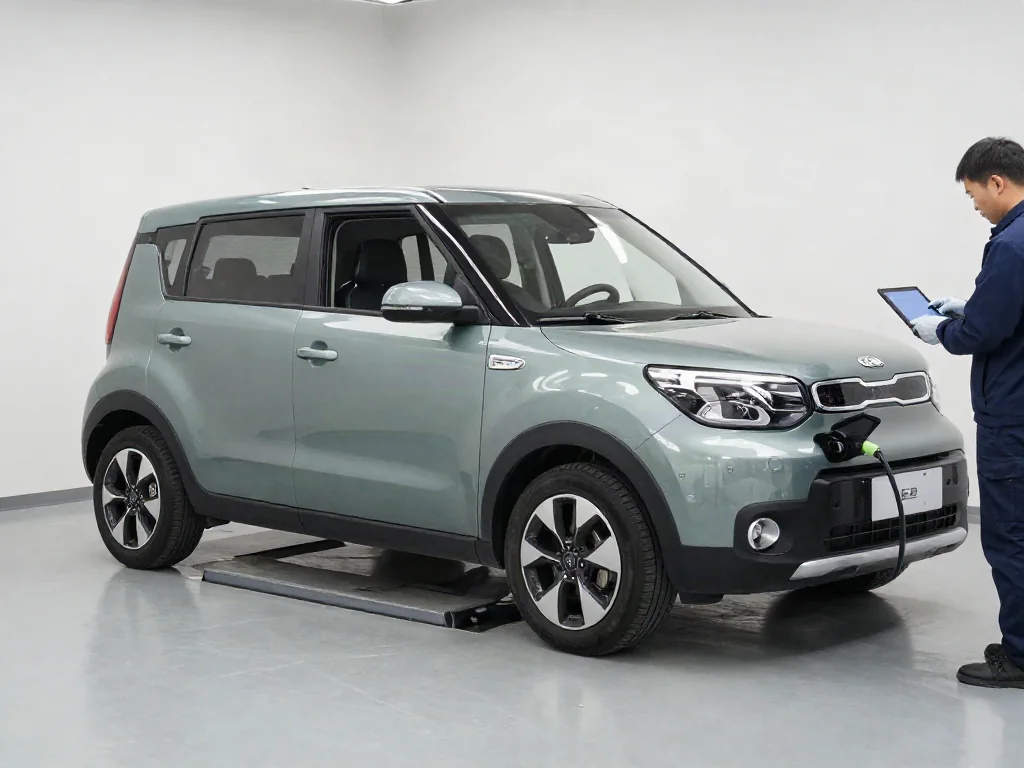
Owning a Kia Soul EV means relying on a high-voltage traction battery, and when driving range drops noticeably, owners start asking about kia soul ev battery replacement. Unlike the 12-volt accessory battery, this pack stores and delivers propulsion energy, and it degrades gradually through use, heat, and charging habits. The right response depends on proper diagnostics, warranty status, and a clear look at replacement options. The cost for a 2016 Kia Soul EV battery or a 2017 Kia Soul EV battery replacement cost can vary widely, so understanding the process helps owners avoid unnecessary expense and get the correct repair.
How the Kia Soul EV High-Voltage Battery Works and Ages
The Soul EV’s traction battery is a high-voltage lithium-ion pack that supplies energy to the electric motor, while the separate 12-volt battery runs lights, infotainment, and control modules. Owners concerned about kia soul ev battery issues should be certain which unit is being discussed, because the 12-volt battery can fail suddenly and mimic some EV warning symptoms. The high-voltage pack is designed for deep cycling and long service, but it is not immune to gradual loss of battery state of health.
Lithium-ion degradation in the Soul EV is driven by calendar age, total charge cycles, exposure to high temperatures, frequent DC fast charging, and long periods stored at very high or very low charge. These factors slowly reduce the amount of energy the pack can hold, which shows up as reduced driving range rather than sudden failure. Because battery specifications changed across model years, owners should confirm their particular Soul EV’s capacity details in the owner’s manual or with a Kia dealer, not rely on one figure for every year.
Signs a 2016 Kia Soul EV Battery May Need Attention
A 2016 Kia Soul EV battery may need attention if the driver notices a real-world range drop that is not explained by conditions, a lower guess-o-meter estimate after a full charge, or charging sessions that stop before reaching the expected level. Dashboard warnings such as an EV system or service indicator can also appear. However, a warning light alone does not prove the pack has failed; it means the battery management system has recorded a condition that needs diagnosis, and the cause may be a sensor, cooling issue, or software glitch rather than dead cells.
Cold weather, heavy climate control use, low tire pressure, and aggressive driving can all reduce range temporarily, so a short-term drop does not automatically mean the battery is bad. The only reliable way to judge battery health is with dealer or EV-specialist diagnostic tools that read battery state of health, cell voltage balance, and historical fault data. Owners of older model years like 2016 should also check coverage status by VIN, because the original EV battery warranty may have expired and that affects the financial picture before any replacement is considered.
What Drives Kia Soul EV Battery Replacement Cost
Several factors drive kia soul ev battery replacement cost, starting with the choice between a new pack from Kia, a remanufactured or used pack, or a module-level repair. Parts availability for older Soul EVs can be limited, and labor time is significant because the high-voltage pack must be safely disconnected, removed, and reinstalled. Diagnostic fees, coolant replacement, and regional labor rates all add up. This is why quotes for the same 2017 Soul EV battery replacement cost can differ between dealers and independent EV shops.
Owners should request itemized written quotes that separate the pack cost, labor, diagnostics, coolant, related service items, and any core charge for the old pack. The vehicle’s current market value matters too: if a full pack replacement approaches or exceeds the car’s resale value, a repair may not make financial sense. Before paying out of pocket, check warranty coverage first, because a covered replacement can change the out-of-pocket cost entirely and may be the only affordable path for older vehicles.
Kia Soul EV Battery Replacement Options Explained
For a Kia Soul EV battery replacement, owners may encounter several general options: a new OEM pack ordered through a Kia dealer, a remanufactured or refurbished pack restored by a specialist, a used pack pulled from a salvaged vehicle, or a module-level repair that replaces only the weak cells. Each choice has different implications for reliability, warranty, and cost. A new pack carries the strongest factory support but is usually the most expensive, while used packs are cheaper but riskier.
When considering any non-new pack, ask for tested capacity, exact warranty length, source vehicle details, and confirmation of compatibility for the specific VIN and model year. Do not assume packs are interchangeable between model years or trims, because connectors, cell chemistry, and battery management system calibrations can differ. After installation, software updates, capacity calibration, and BMS setup are often required, which is one reason this work belongs with a certified EV technician or Kia dealer rather than a general repair shop.
How Kia's Battery Warranty and Dealer Replacement Process Works
Kia’s EV battery warranty terms vary by model year, state regulations, and ownership history, so owners should look up the exact coverage in their warranty booklet or contact Kia customer service with the VIN. The dealer replacement process generally starts with a scheduled diagnostic appointment, during which the technician runs a battery state of health test and documents the findings. If the pack qualifies under warranty, the dealer submits a claim to Kia for approval before ordering parts.
Keeping records helps any warranty claim: service history, dated range observations, charging habits if asked, and photos of warning messages all support the case. Diagnosis, approval, and parts availability can take days or weeks, so ask about loaner vehicles and timelines before leaving the car. If a dealer’s findings or claim decision seems unclear, owners can escalate to Kia customer care for a second review, though no particular outcome is guaranteed.
Safety Limits and When to Get Professional Help
Safety limits are absolute for the Soul EV’s high-voltage system. Owners should never open, remove, or attempt to repair the traction battery or any orange-cabled component themselves. The pack carries lethal voltage and poses a fire risk even when the vehicle is off. Certain warning signs call for stopping use and contacting a dealer or roadside assistance immediately: a burning smell, visible smoke, swelling under the vehicle, fluid leaks from the pack area, or a high-voltage warning message on the dash.
What owners can safely do is limited but useful: record range and charging behavior over time, note any warning messages, keep the vehicle’s software updated through the dealer, and follow the owner’s manual charging guidance. For any battery testing, removal, or replacement, use a certified EV technician or Kia dealer. Before paying for a full traction battery pack, it is also wise to get a second diagnostic opinion, because some range or charging complaints are caused by cooling system faults or BMS software issues rather than a failed battery.