Kia Sorento Timing Chain Replacement Cost and What to Expect
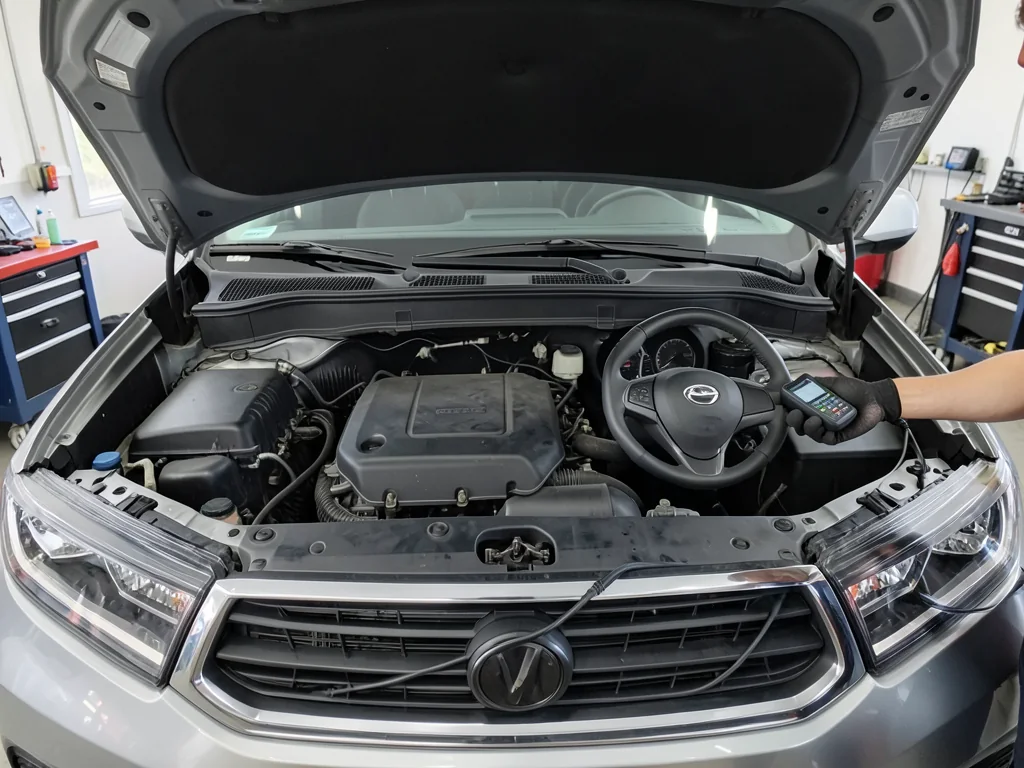
A failing timing chain in a Kia Sorento can cause rough running, warning lights, and the worry of a large repair bill. The chain normally lasts a long time, but worn guides or a weak tensioner can create noise and timing trouble. Understanding what the part does, what symptoms mean, and what drives the replacement cost helps you plan the repair and avoid paying for work you do not need.
What the Timing Chain Does and Why Your Sorento's Engine Matters
The timing chain keeps the crankshaft and camshafts turning together so the valves open and close at the right moments. Plastic guides keep the chain on course, while a hydraulic tensioner takes up slack as parts wear. If the chain stretches or the guides wear out, valve timing becomes less precise, which can reduce power and trigger fault codes. Sorento engines are typically designed for a long timing chain life, but no chain lasts forever under all conditions.
Before researching costs, confirm which engine your Sorento has. Different generations and trim levels offered four-cylinder and V6 options, and some model years use a timing belt instead of a chain. Check the owner's manual, the underhood label, or your VIN with a dealer to identify the engine. Do not assume a chain is present just because another vehicle you know has one. The service schedule in the manual also tells you what maintenance is expected.
Warning Signs That a Sorento Timing Chain May Need Attention
A rattling noise that lasts only a few seconds after a cold start is a common early warning. The noise happens because the tensioner relies on oil pressure, and it may take a moment to build pressure after the engine sits. A steady rattle at idle or a rough, hesitant feel while driving can also point to chain wear, but other parts such as heat shields or auxiliary drives can produce similar sounds. A check engine light may store timing-related codes, but the light alone does not confirm a bad chain.
Codes for camshaft or crankshaft correlation often appear when the chain is stretched or a guide is damaged. However, the exact meaning can vary by engine and manufacturer, and the same code may appear with a faulty sensor or an oil pressure problem. Keep notes on when the noise happens and whether it changes with temperature or engine speed. If the engine makes loud mechanical noise, misfires badly, or an oil pressure warning comes on, stop driving and have the vehicle inspected before more damage occurs.
What Drives Kia Sorento Timing Chain Replacement Cost
Labor is usually the biggest part of the bill. On a front-wheel-drive Sorento, the technician may need to remove an engine mount, and on a V6, the intake manifold or other accessories may block access. A transverse V6 in a tight engine bay can take many hours just to reach the timing cover. The exact labor time depends on the engine and the shop's method, but you should ask how the hours are calculated and whether the estimate includes recalibration of tools or variable valve timing components.
A complete job often includes the chain, guides, tensioner, front cover gaskets, crankshaft seal, and fresh oil and coolant. The parts list grows if the shop finds sludge buildup or worn sprockets. Repair shops and dealers charge different labor rates, and OEM parts generally cost more than aftermarket brands. The final price can increase greatly if the chain has jumped timing and bent valves are found, because that turns a timing service into a larger engine repair.
How a Shop Should Confirm the Diagnosis Before You Pay
A careful diagnosis starts with live data. The technician should read the cam and crank position values and look for stored trouble codes. Oil level and pressure are checked because a low oil level or a weak pump can cause timing chain noise. The mechanic should also listen with a stethoscope or other tool to locate the source of the rattle. If the noise comes from the front cover area and the data shows the camshafts are not following the crankshaft as expected, the chain becomes a stronger suspect.
Noise alone is not proof. Exhaust heat shields, belt tensioners, alternator pulleys, and even valvetrain parts can rattle. Codes for cam correlation can appear when a camshaft position sensor fails or when the oil control valve for variable valve timing sticks. Ask the shop to explain what evidence supports replacing the chain, whether they inspected the tensioner or guides directly through an access port, and whether the labor quote includes verification after installation. Without teardown or precise testing, the full extent of wear remains unknown.
Getting an Accurate Quote and Checking Coverage
An itemized estimate should separate parts, labor hours, fluids, and any extra recommended work such as a water pump if it is driven by the chain. This helps you compare quotes and see whether one shop is charging more for the same job. Ask whether the parts are Kia original equipment or aftermarket, and what warranty comes with the parts and labor. A good shop will be clear about what is included and what might be added if hidden problems appear.
Check for open campaigns or recalls through a dealer or Kia's official owner site using your VIN. Do not assume a recall exists, but it costs nothing to check. Some extended warranties or emissions warranties may cover parts of the repair, so verify your coverage before authorizing work. Getting a second or third estimate can help you see what is reasonable for your engine and area, but make sure each shop uses the same diagnostic information so the quotes are comparable.
Deciding Whether the Repair Makes Sense for Your Sorento
Weigh the repair cost against the rest of the vehicle. If the Sorento is otherwise reliable, the body is solid, and the mileage is moderate, replacing the chain may be a sensible investment. If the vehicle has deep rust, a worn transmission, or other expensive needs, the timing chain cost may push you toward a different decision. Check the maintenance history and overall condition before committing to a timing service.
Do not ignore a confirmed chain problem. In many Sorento engines, the pistons and valves occupy the same space at different times, which means a broken or jumped chain can bend valves and damage pistons. Verify whether your specific engine is an interference design by checking the manual or a dealer. If internal damage is found, the discussion shifts to engine repair or replacement, which changes the cost picture completely. Timing work at home is risky without the proper locking tools and service information, and an error can ruin the engine.
Habits That Help Protect the Timing Chain
The timing chain and tensioner depend on clean, full oil. The oil lubricates the guides and supplies pressure to the tensioner, so running low or overdue for an oil change accelerates wear. Check the oil level regularly and use the specification and interval listed in the owner's manual. Fix oil leaks or high consumption as soon as possible, because reduced oil pressure can cause the tensioner to lose its hold and allow the chain to slap.
Pay attention to new noises, especially a rattle that appears at startup and then fades or one that gets louder over weeks. If a timing-related code appears, have it diagnosed before it leads to poor running or worse. Keep records of oil changes, inspections, and any repair estimates. A documented history helps a technician see how the engine was cared for and can support a warranty claim if the chain fails earlier than expected.