Kia Optima Hybrid Battery Replacement and Cost
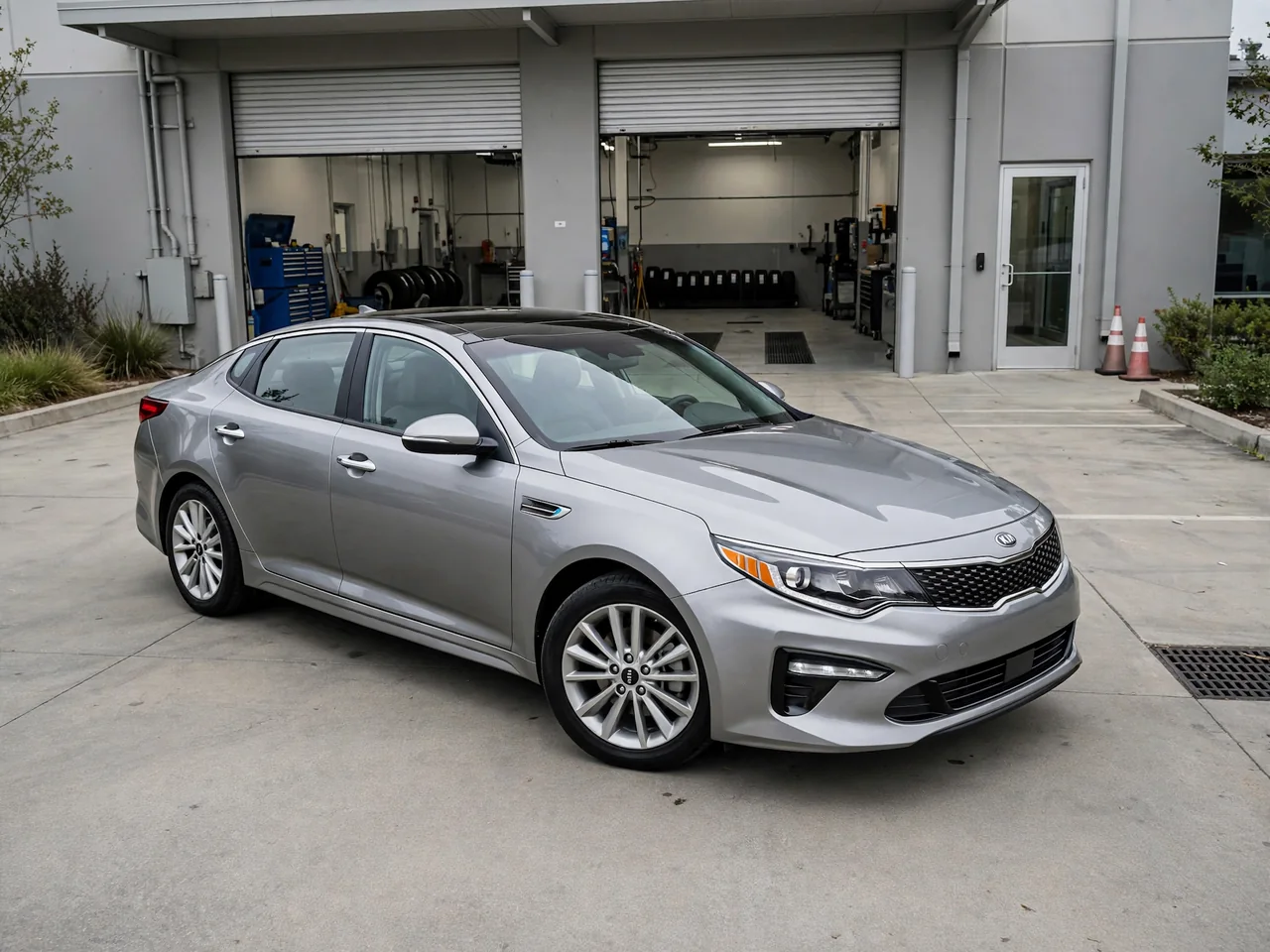
Owners searching for a 2013 Kia Optima hybrid battery, a battery for a 2012 Kia Optima Hybrid, or later-year packs from 2014 through 2017 usually need lifespan, warranty eligibility, failure signs, and Kia Optima hybrid battery replacement cost guidance. The Optima Hybrid high-voltage battery pack from 2011 onward is the traction pack in that discussion, set against general Kia hybrid battery replacement cost factors rather than assumed year-to-year interchangeability.
Identify the Battery and Confirm the Optima Hybrid Model Year
A request for a battery for 2013 Kia Optima Hybrid or a 2012 Kia Optima hybrid battery may describe the high-voltage battery pack that powers the hybrid drive or the 12-volt auxiliary battery that supports conventional electrical loads. Those are different parts with different diagnosis paths. From 2011 onward, traction-pack questions should start with the diagnosed battery, not a parts guess. Owners should give the service provider the model year, VIN, market, and the battery identified during diagnosis so VIN verification can match the correct assembly.
The same identification step applies to a 2014, 2015, 2016, or 2017 Kia Optima hybrid battery. Those years are not assumed interchangeable, and unverified part numbers should not drive a purchase. A broad 2014 Kia hybrid battery request is even less specific because that calendar year can include more than one Kia hybrid model. Have the service provider confirm the vehicle is an Optima Hybrid, then verify replacement fitment by VIN and the applicable parts documentation before ordering or quoting a pack.
What Affects Optima Hybrid Battery Life
Usable battery capacity in an Optima Hybrid high-voltage pack can decline as the vehicle ages, as charge and discharge cycles accumulate, and as the pack spends time in high heat or deep cold. Thermal management matters because the hybrid system tries to keep the pack in a workable temperature range; poor cooling airflow, neglected related service, or extreme climate exposure can add stress. Short-trip patterns that rarely let the system stabilize, or long highway runs in hot weather, can affect how the pack holds charge and how the hybrid system blends electric assist.
Gradual capacity loss is not the same as a diagnosed battery fault. Age or mileage alone cannot establish that a 2013 Kia Optima hybrid battery or a later Optima Hybrid pack needs replacement. A battery health assessment looks at remaining capacity, module balance, and how the pack behaves under load, then compares those findings with stored hybrid-system data. Service history helps because cooling-system work, prior hybrid repairs, and recorded warnings can explain current performance. There is no single mileage or year at which replacement is automatic; the useful decision is whether measured health and diagnosis support continued use or replacement.
Warning Signs That Need a Hybrid System Diagnosis
A hybrid system warning, a change in how the Optima Hybrid starts or assists, reduced fuel economy, or unusual charge-display behavior is a reason for assessment, not proof that the high-voltage battery pack has failed. The hybrid control system can flag inverter, cooling, 12-volt auxiliary battery, or sensor issues that look similar to pack trouble. Record the dashboard messages, the operating conditions, and when the symptoms appear. Do not run repeated driving tests intended to provoke a fault. If the vehicle shows urgent warnings, smoke, or loss of propulsion, stop safely and seek assistance rather than continuing to drive.
Professional testing should assess the battery and the related electrical, control, and cooling systems before anyone recommends replacement. Stored diagnostic codes are evidence to interpret, not proof a part has failed. Manufacturer-dependent codes require vehicle-specific confirmation because the same number can mean different things across Kia hybrid applications and model years. The technician should verify each code's meaning for that Optima Hybrid, inspect cooling airflow and connectors as the procedure allows, and compare pack data with control-module communication. Replacement is a conclusion after that work, not the first response to a warning lamp.
Check Battery Warranty Coverage Before Authorizing Work
Warranty eligibility for an Optima Hybrid high-voltage battery pack depends on the vehicle's model year, market, original in-service date, mileage, and the warranty terms that applied when the car was sold. A 2012 Kia Optima hybrid battery and a 2017 Kia Optima hybrid battery can sit under different remaining coverage even at similar odometer readings if one entered service later or was sold in a market with different hybrid-pack terms. Coverage must be checked against those facts rather than assumed from age. Dealers and Kia-authorized channels can read the VIN against current coverage records.
Ownership-transfer provisions, covered failure criteria, exclusions, and coverage after a prior pack replacement all require confirmation for that vehicle. Some terms follow the car; others can depend on original-owner status or documented maintenance. Exclusions can involve collision damage, flooding, unauthorized modification, or a 12-volt auxiliary battery problem that was never the traction pack. Gather the VIN, current mileage, service records, and diagnostic findings, then obtain a written eligibility decision before approving paid replacement. That written answer should determine whether the owner pays Kia Optima hybrid battery replacement cost out of pocket or a warranty contribution applies.
What an Optima Hybrid Battery Replacement Quote Includes
A useful Kia hybrid battery replacement cost estimate for an Optima Hybrid starts after confirmed pack failure, verified fitment, local replacement labor, and any warranty contribution are known. Price ranges and advertised current prices can mislead because they change by market, source, and remaining coverage. Kia Optima hybrid battery replacement cost also cannot be inferred from another Kia hybrid model; a different platform can use a different pack, labor path, and parts policy. Until VIN verification and diagnosis are complete, any number offered is only a conversation starter, not an authorization figure.
A complete quote should itemize the battery assembly, diagnosis, installation labor, taxes, any core charge for the returned pack, and documented programming or related service required for that vehicle. It should identify the replacement pack's condition and source, whether new, remanufactured, or otherwise documented, the included components such as covers or mounting hardware, the replacement warranty terms, and who pays if additional work appears after teardown. A core charge is typically credited when the old high-voltage battery pack is returned in the required condition; confirm that process in writing so the net out-of-pocket figure is clear.
Arrange Qualified Replacement and Document the Result
High-voltage battery work on an Optima Hybrid belongs with a qualified hybrid service provider because the pack stores dangerous voltage even when the car is off. Do not open the pack, isolate circuits, probe high-voltage terminals, or attempt module-level repair. Those steps require trained procedures, insulated tools, and facility controls that a general shop or owner workspace may not have. A qualified provider can disable the hybrid system as specified, handle the assembly as a sealed unit, and complete the related electrical safety steps. Choosing that channel also supports correct handling of the old pack.
Before scheduling, request a written diagnosis, confirmed battery fitment, expected turnaround, the replacement warranty, and arrangements for the old pack, including any core return. After the job, keep installed-part identification, the invoice, warranty documentation, and confirmation that the provider completed applicable post-installation checks such as communication tests and a road evaluation. Contact the shop again if hybrid system warnings return or symptoms remain, but do not assume every leftover issue originates in the replacement battery. Cooling, the 12-volt auxiliary battery, or a control module can still need attention after a successful pack install.