Kia Niro EV Battery: Size, Warranty and Replacement
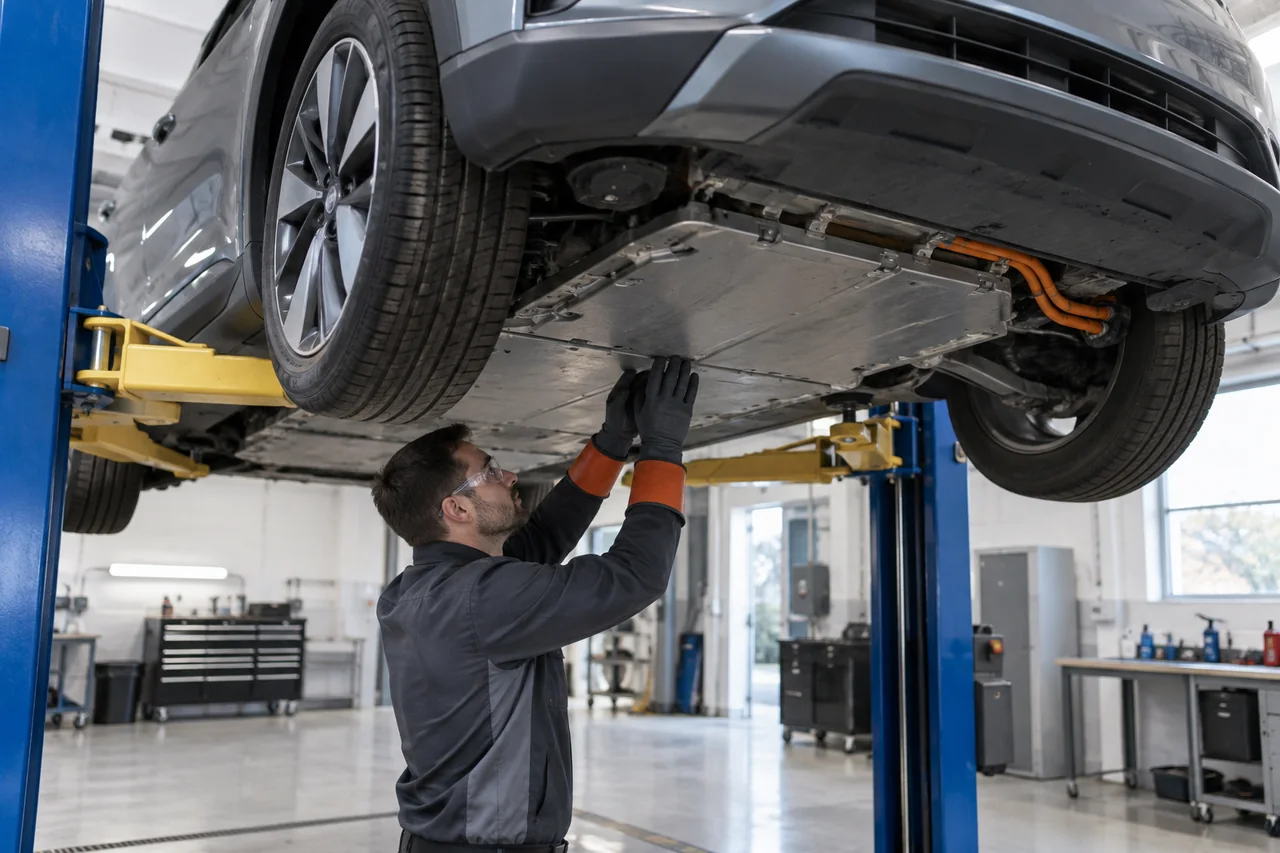
If your Kia Niro EV shows a battery warning, loses range suddenly, or you are facing a replacement estimate, the high-voltage pack immediately becomes the center of attention. Understanding its capacity, warranty, and realistic failure signs helps you separate normal aging from a fault that needs professional diagnosis. The Niro EV's lithium-ion battery is not simply a larger 12-volt starter battery; it is a carefully managed energy storage system that affects cost, safety, and daily usability. This discussion explains what owners and shoppers should know.
How the Kia Niro EV High-Voltage Battery Works
The high-voltage lithium-ion pack stores the electrical energy that drives the traction motor, while a separate 12-volt accessory battery powers lights, infotainment, and control modules. The main pack operates at several hundred volts, typically under the floor between the axles, and is sealed to prevent moisture, debris, and unauthorized contact. Unlike a conventional battery you can lift out with a wrench, its case is not intended for owner service; even visual inspection requires disabling high-voltage contactors and following strict isolation procedures.
A battery management system continuously samples cell voltages, temperatures, and current flow, then adjusts charging and discharge limits to keep every cell within safe operating ranges. Owners see only the outer layer of this monitoring: a state-of-charge gauge, estimated range, and possible warning messages or reduced-power alerts. For deeper state-of-health data, a dealer scan tool can read internal parameters such as cell voltage deviation, historical minimum and maximum temperatures, and cumulative energy throughput, which together reveal gradual degradation rather than abrupt pack failure.
Niro EV Battery Size and Capacity Explained
Battery capacity is measured in kilowatt-hours (kWh), with gross capacity describing the total chemical storage and usable or net capacity representing the portion the vehicle is allowed to access. The Niro EV has been offered with different pack sizes depending on model year and market, so a single universal figure is misleading. Always confirm your vehicle's rated capacity from the original window sticker, owner's manual, or Kia's official specification for your VIN, because generation changes and option packages alter the battery installed.
Rated driving range comes from laboratory test cycles, not from a fixed relationship between kWh and miles. Cold weather thickens electrolyte and increases cabin heating load, while sustained highway speeds, aggressive acceleration, and low-rolling-resistance tire substitutions reduce real-world range. Over years of use, the pack's state of health declines a few percent as lithium ions become trapped in inactive side reactions; this slow capacity fade is expected and distinct from a sudden fault that triggers warning lights or charging shutdowns.
Battery Differences Between 2022 and 2023 Niro EV Model Years
The 2023 Niro EV introduced a redesigned body and updated electric architecture, so battery specifications, rated range, and charging behavior can differ from the 2022 model. For example, gross and usable kWh may be revised even when the battery cell chemistry remains similar, and the onboard charger's maximum AC input could change. Because trim levels and optional equipment affect final ratings, the only reliable identification comes from the VIN combined with Kia's official build data or a dealer parts lookup.
Used-car shoppers comparing a 2022 with a 2023 should not assume both have the same pack warranty, coolant fill, or DC fast-charging curve. Request the original window sticker or a Kia specification sheet, and ask whether any battery modules, coolant pumps, or charging components were replaced under recall or warranty. A vehicle history report can show collision or flood events that may invalidate future coverage, so confirming both model-year specifics and past service before purchase protects against an expensive assumption.
Kia Niro EV Battery Warranty Coverage
Kia's high-voltage battery warranty in the United States is a separate coverage from the basic and powertrain warranties, with its own time and mileage limits. Capacity-loss thresholds may be included, meaning the pack is covered if usable capacity falls below a stated percentage within the warranty period. However, exact terms change by model year and are printed in the warranty booklet supplied with the vehicle; the dealer can also pull the coverage based on the VIN and in-service date.
Original owners typically receive the longest coverage, while subsequent owners may get a reduced term depending on how the warranty transfers. The in-service date—the day the vehicle was first sold or leased—starts the clock, not the build date. Claims can be complicated by accident damage, unauthorized high-voltage repairs, failure to complete safety recalls or software campaigns, or evidence of submersion. Before contacting a dealer, record warning messages, range at full charge, and charging interruptions, and keep service records showing required maintenance was performed.
When a Niro EV Battery Might Need Replacement
Sudden range loss in mild weather, a battery or EV system warning light, charging sessions that stop early, or repeated reduced-power mode are signals that deserve attention. These observations do not prove the pack is ruined; a failed temperature sensor, a coolant pump fault, or a single underperforming module can trigger the same dashboard behaviors. A dealer or EV-qualified technician must run diagnostic routines that compare cell voltages under load, check isolation resistance, and review stored fault codes before recommending any repair.
Many high-voltage problems are corrected at the module or peripheral component level, not by replacing the entire pack. If diagnosis points to a coolant leak, a contactor, or a battery management unit, those parts are replaced independently. High-voltage components retain lethal energy even when the vehicle is off, so owners must never remove service covers, probe connectors, or attempt a DIY pack repair. After a collision or flood exposure, stop using the vehicle, do not charge it, and have it towed to a certified facility for an insulation and structural inspection.
What Affects Kia Niro EV Battery Replacement Cost
The largest cost driver is warranty status: an in-warranty replacement for a defect or capacity failure costs the owner little or nothing beyond possible diagnostic fees, while out-of-warranty work can be substantial. Whether the shop installs a new pack, a remanufactured battery pack, or a single battery module changes the parts price dramatically. Labor time is significant because the vehicle must be de-energized, the cooling system drained, and the heavy pack lowered safely with specialized tooling.
Instead of relying on a verbal quote, request a written estimate that separates diagnostics, parts, labor, coolant, and any core or disposal charges. Independent EV shops may offer lower labor rates than a dealer but could lack access to Kia's latest software or remanufactured parts. Replacement costs for other Kia EVs, such as the EV6 or Soul EV, do not transfer to the Niro EV because pack dimensions, cell format, and integration differ. Ask the shop for the specific diagnostic findings, the source and warranty of the replacement component, and whether the repair will restore full charging speed and range.
Battery Coolant and Thermal Management in the Niro EV
Battery temperature control is essential because lithium-ion cells charge fastest and degrade least within a narrow temperature window. If the pack is too cold, DC fast charging slows to protect the anode from lithium plating; if too hot, the system reduces power to prevent accelerated aging. A liquid-cooled battery uses a coolant circuit that circulates a water-glycol mixture through channels or plates in thermal contact with the cells, with a radiator and electric pump to reject heat. Confirm the exact system design for your model year, as earlier and later Niro EVs may differ in heater or chiller components.
Follow the maintenance schedule in your owner's manual for battery coolant replacement or inspection; do not assume a universal interval because some EVs use long-life coolant while others require earlier service. The battery coolant system is sealed and pressurized, so only qualified technicians with the specified coolant and vacuum-filling tools should open it; introducing air pockets can cause overheating and pack damage. Owners can safely watch for warning messages about battery temperature, visible puddles of blue or pink coolant under the vehicle, or repeated fast-charging sessions that end far below the expected speed—these observations help a technician decide whether the thermal circuit or the battery itself needs attention.