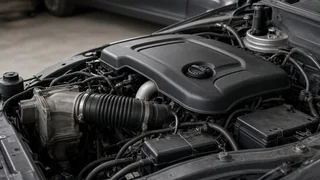
Kia 1.6L turbo engine reliability
The Kia 1.6L turbo engine appears across several compact and midsize models, and shoppers often ask whether its forced-induction design holds up over time. Reliability depends less on the turbocharger alone than on how the entire engine configuration manages heat, oil supply, fuel dilution, and combustion pressure. Service history, driving conditions, and adherence to manufacturer specifications shape real-world durability. Understanding the common failure patterns and diagnostic signs helps owners separate ordinary wear from conditions that need inspection or repair.
Essential answer
The Kia 1.6L turbocharged four-cylinder can deliver dependable service when maintained correctly, but it has specific weaknesses that owners should monitor. Its reliability record is mixed: many examples accumulate high mileage without major faults, while others develop oil consumption, ignition misfires, or turbo-related concerns. Because this is a direct-injected, downsized boosted engine, it operates with elevated cylinder pressures and heat loads. Those stresses make maintenance quality and early symptom recognition more important than they would be on a naturally aspirated engine of similar displacement.
No single data point proves that every version of this engine is either durable or troublesome. Different model years, vehicle applications, and software calibrations affect how the engine behaves in service. A fault code or a change in engine sound is evidence that guides diagnosis, not a confirmation that a particular part has failed. Evaluating any used vehicle with this powertrain requires reviewing its service history, checking for pending diagnostic codes, and observing symptom conditions such as cold-start behavior, idle quality, and oil level trends before forming a conclusion about expected longevity.