Keys Locked in Your Chevy Truck: What to Do Next
Locking the keys inside a Chevrolet truck is frustrating, but it is rarely a serious problem. The fastest fix depends on what you have available: a spare key, a working connected-vehicle service, or roadside assistance coverage. Forcing your way in yourself is the option most likely to cause expensive damage. This guide covers the realistic options in a sensible order, explains how the truck's key technology affects each one, and notes where the answer depends on model year and equipment.
The Short Answer
If a person or pet is inside and at risk, especially in heat or cold, call emergency services immediately. Otherwise, try these options in order: check every door, use a spare key, use a remote unlock service if your truck is enrolled, call your roadside assistance provider, or hire a licensed automotive locksmith. Each option is covered below. Which ones apply to you depends on your truck's model year, trim, key type and active subscriptions, so not every option will work for every Silverado, Colorado or older Chevy pickup.
First, Confirm You Are Actually Locked Out
Before calling anyone, take a minute to check the truck carefully. It sounds obvious, but these checks sometimes solve the problem.
Try every door handle, including the rear doors on crew cab and extended cab models. If your truck has keyless access, check whether the fob is actually inside the cab. A fob in a jacket pocket or bag nearby can make it look like the key is locked in when it is not. Remember that the tailgate and any bed-mounted storage do not normally give access to the cab, so getting into the bed will not solve a cab lockout.
Many recent Chevrolet trucks with keyless entry include a lockout-protection feature. When a door is open and the system detects the key fob inside, it may refuse to lock or may unlock the doors again, often with an audible alert. This feature reduces lockouts but does not prevent all of them. It can be affected by a weak fob battery, the fob's position in the cab, how the doors were locked, or the specific model year and settings. It also does not exist on older trucks with a traditional key.
Option 1: Use a Spare Key
A spare key or fob is the cheapest and least risky solution. If it is at home or with a family member, having someone bring it is often quicker and cheaper than any paid service.
Most keyless fobs for Chevrolet trucks contain a removable mechanical key blade. That blade can open the driver's door lock cylinder, which is sometimes hidden behind a small cap on the door handle. This matters if your spare fob has a dead battery. You can still get in mechanically, even if the remote buttons do not work.
Option 2: Remote Unlock Through a Connected Service
Many Chevrolet trucks from recent years are equipped with connected-vehicle hardware that supports remote door unlock. You typically request it through the manufacturer's mobile app or by calling the connected service, and the truck unlocks over its cellular connection.
This works only if several conditions are met. The truck must have the required hardware, the account must have an active plan that includes remote commands, and the vehicle must have a cellular signal. If you parked in an underground garage or a remote area with weak coverage, the command may not reach the truck. Plan names, included features and subscription terms change over time, so check your own account rather than assuming remote unlock is available.
Option 3: Call Roadside Assistance
Lockout service is a common part of roadside assistance programs. You may already be covered through one of several sources.
Manufacturer roadside assistance, which typically comes with new Chevrolet vehicles for a limited period and may also apply to certified pre-owned vehicles. An auto insurance policy with roadside coverage added. An auto club membership. Some credit cards or extended service contracts.
Coverage details differ by provider. Some include lockout service in full, some cap the amount they pay, and some send a locksmith rather than their own technician. Have your location, the truck's year and model, and your membership or policy details ready when you call.
Option 4: Hire an Automotive Locksmith
A qualified automotive locksmith can open most trucks using specialized entry tools designed to avoid damage. Choose a locksmith who works on vehicles specifically, and ask for a price estimate on the phone before they arrive, since costs vary by location, time of day and how hard the truck is to open.
Expect to show proof of ownership. Reputable locksmiths usually ask for a driver's license that matches the registration or title before they will open a vehicle or make a key. This protects owners from theft, so keep a copy of your registration somewhere other than the glove box, such as a photo on your phone.
Why Forcing Entry Yourself Is Risky
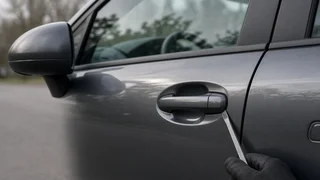
Thin metal tools and wedges that worked on older vehicles are a poor choice for modern trucks. Door panels now contain wiring harnesses, power lock actuators, window regulators and, on many models, side-impact sensors and airbag components. Probing blindly inside the door can disconnect or damage these parts. Prying the door frame can bend it, damage weather seals and chip paint. Breaking a window costs more than a typical lockout call and leaves the truck unsecured until it is replaced. For these reasons, a professional with proper tools is usually the better choice.
How Chevy Key Technology Affects a Lockout
Knowing which type of key your truck uses helps you understand your options, especially if the key is lost rather than simply locked inside.
Key type | How it works | What it means in a lockout; Mechanical key | A cut metal key that turns the door lock and, on older trucks, the ignition | A copy can open the door, but on trucks with an immobilizer it may not start the engine; Remote transmitter with separate key | A key fob that locks and unlocks by radio, paired with a physical key for the ignition | The remote only helps if you have a spare; the physical key still opens the door; Keyless access fob with push-button start | The truck detects the fob nearby for entry and starting; a hidden blade provides backup entry | Lockout protection may help, and the backup blade allows entry if the fob battery is dead
An immobilizer is an anti-theft system that lets the engine start only when the truck recognizes a coded chip in the key or fob. This is why a freshly cut metal key may open the door but not start the truck. Any replacement key or fob usually needs key programming, which pairs it electronically with the truck. A dealership or a properly equipped automotive locksmith can do this. If your keys are lost rather than just locked inside, budget for both cutting and programming.
When It Is an Emergency
If a child, vulnerable adult or pet is locked inside, especially in a hot or cold cab, do not wait for a locksmith or app. Call emergency services right away. First responders can assess the situation and decide whether immediate entry is needed. Cab temperatures can become dangerous quickly, even on days that do not feel extreme.
How to Avoid the Next Lockout
Keep a working spare key or fob in a secure place you can reach, such as with a trusted person nearby. Replace fob batteries when range starts to drop, so lockout protection and remote functions work reliably. If your truck supports remote unlock, set up the app and confirm your plan before you need it. Note your roadside assistance contact and coverage details in your phone. Get in the habit of keeping the key in your hand or pocket, not on the seat, whenever you step out of the truck.
Bottom Line
When your keys are locked in a Chevy truck, the best option is usually a spare key, then remote unlock if your truck is equipped and enrolled, then roadside assistance or a licensed automotive locksmith. Avoid forcing entry, which can damage door electronics and cost more than the lockout itself. Have proof of ownership ready, and treat any situation involving a person or pet inside as an emergency.