Choosing a K04 Turbo Blanket
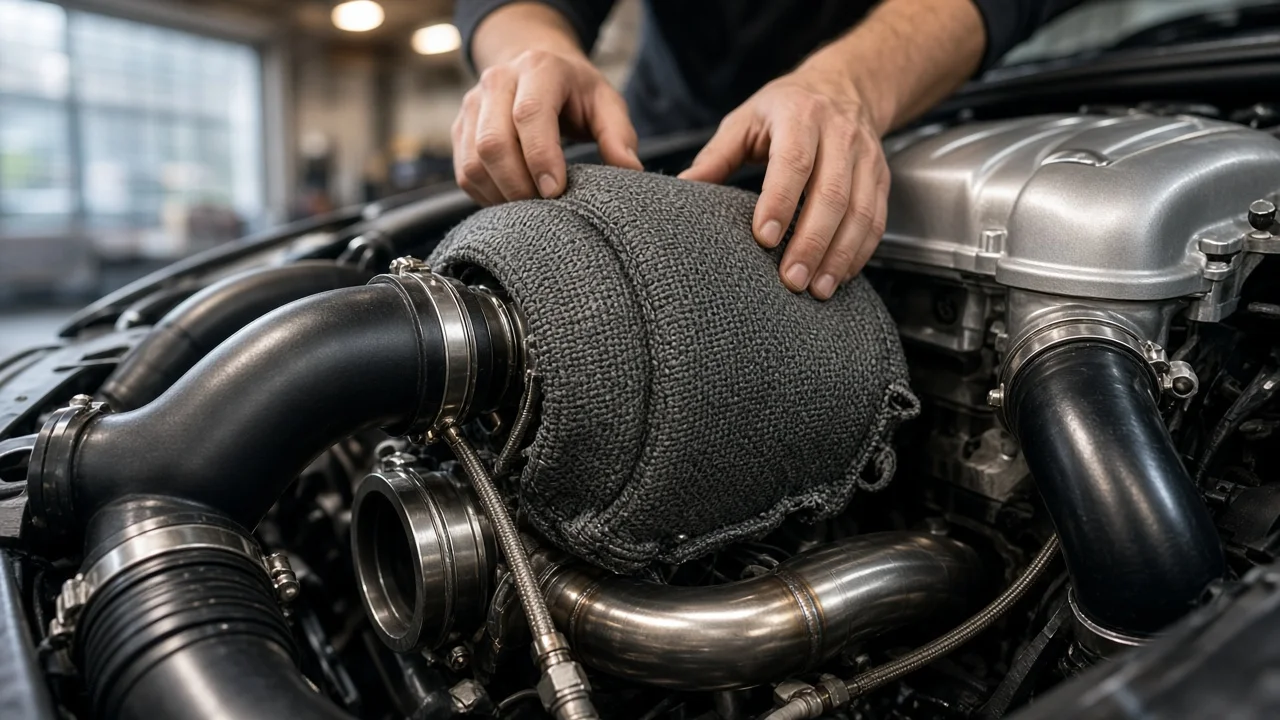
A K04 turbo blanket wraps the turbine housing of a K04-family turbocharger so more heat stays inside the hot side instead of radiating across the engine bay. Fitted correctly, it can shield nearby hoses, wiring and intake parts. It will not fix boost, oil or sensor problems. This guide covers matching a blanket to your engine configuration, judging the features that matter, and the real costs of owning one, so you can build a shortlist without relying on marketing claims.
Define the job the product must do
Start with the reason you want insulation. The most common goal is to cut radiant heat reaching intake piping, coolant and vacuum hoses, wiring looms and plastic covers near the turbo. Owners who drive hard, tow, or attend track days also want lower under-hood temperatures after the car is shut off. Some hope for slightly quicker spool. Treat that as a possible side effect rather than the main reason to buy, because on a street car it is small and hard to measure.
Next, write down your situation: a stock K04 on its original engine, a K04 swapped in as an upgrade, or a hybrid unit built on a K04 core. Note how tight the engine bay is, whether you will pay for labor, and how often you expect to remove the blanket for inspection. Keep symptom reports separate from verified failures. Sluggishness after hot idling or a burning smell under the hood is a symptom report. Confirm it by logging intake air temperature and inspecting the turbo area before assuming a blanket is the answer. Shaft play, blue smoke, oil in the intercooler piping or boost-related diagnostic codes point to a turbo or system fault. Those call for diagnosis and repair, not insulation.
Check compatibility
K04 names a turbo family, not one part. Variants have been used across several engines and model years, including transverse and longitudinal VW and Audi 1.8T applications and the Mazdaspeed3 and Mazdaspeed6. Turbine housing size, inlet flange, outlet shape and wastegate layout can differ between them. A blanket cut for one variant may leave gaps or block a fitting on another. Identify your turbo by the part number on the housing tag or in the service history rather than by vehicle model alone. This matters most if the car has had a turbo replaced or upgraded.
Then check the physical interfaces the blanket has to clear. These include the exhaust manifold flange and its studs, the wastegate actuator rod and bracket, oil and coolant lines, the downpipe connection, nearby oxygen sensors and any factory heat shields. Decide whether the blanket will replace a factory shield or sit under it, and whether that shield can go back on afterward. Look for a seller that lists fitment by turbo part number and engine configuration. Generic sizing is not enough. Hybrid and aftermarket K04 units may use different housings, so compare their manufacturer specifications directly with the blanket's listed fitment.
Features that affect the choice
The insulating core does the work. Common materials include fiberglass, basalt, silica and ceramic fibers, and they differ in the temperatures they can handle and how long they last. Look for a stated temperature rating, and check whether it describes continuous exposure or a brief peak, since turbine housings run very hot under sustained load. Labels such as titanium or lava usually describe a fiber type or outer coating. Ask what the core actually is and what rating applies to it.
Construction and fit matter as much as material. Check the stitching thread, which has to survive the same heat as the blanket, along with the number of layers and how closely the cutouts follow the housing contours. Fastening methods include springs, safety wire and straps. A secure, adjustable fastening method helps the blanket stay put through repeated heat cycles. A snug fit holds heat in, but a blanket that is too tight can be hard to install and may stress its seams. Be cautious with claims of a specific temperature drop or horsepower gain unless the test conditions are explained. Logging your own intake temperatures under the same conditions before and after installation tells you more than a headline number.
Limitations and ownership costs
Installation is usually the hardest part. Turbo access on many K04 applications is tight, and you may have to remove heat shields, intake pipes or undertrays, or work from below. Fit the blanket only on a cold engine. Many manufacturers warn that a new blanket may smoke or smell during its first heat cycles while coatings cure, so follow the break-in instructions supplied with yours. If you are paying a shop, labor can approach or exceed the cost of the blanket itself.
Ownership means regular inspection. A blanket soaked with oil or fuel is a fire risk, so replace a saturated blanket and repair the leak that caused it. A blanket also hides problems: cracks in the turbine housing, oil seepage, loose studs and actuator issues are hard to spot while it is fitted. Remove it when you inspect the turbo. Some builders worry that holding more heat in the turbine housing can add stress to the housing and nearby hardware, and opinions differ. Follow the turbo maker's guidance where it exists, and wrap only the turbine side unless the product is designed to cover more. Do not block airflow around the center housing.
Know what a blanket cannot do. It will not seal an exhaust or boost leak, compensate for a cracked manifold, clear diagnostic codes, repair worn bearings or replace proper maintenance. Budget for eventual replacement, because the outer layer can fray and fibers degrade with age. Spare fasteners are also worth keeping on hand.
Build a practical shortlist
Put fitment first. Confirm your turbo part number and engine configuration, then keep only blankets that list them explicitly. Check that the cutouts clear the wastegate actuator, oil and coolant lines and the manifold flange. Confirm whether your factory heat shield can stay in place.
Then compare the remaining options on transparency and support. Prefer sellers that disclose the core material and a temperature rating, describe the stitching and layers, include fastening hardware and give clear installation and break-in instructions. Check the return policy in case the fit is wrong, and whether replacement fasteners or blankets are available. Leave price until last. A cheaper blanket that fits poorly or wears out quickly will cost more in labor and replacements than a well-fitted one that stays put and survives repeated removal for inspection.