JVC Car Audio Amplifiers
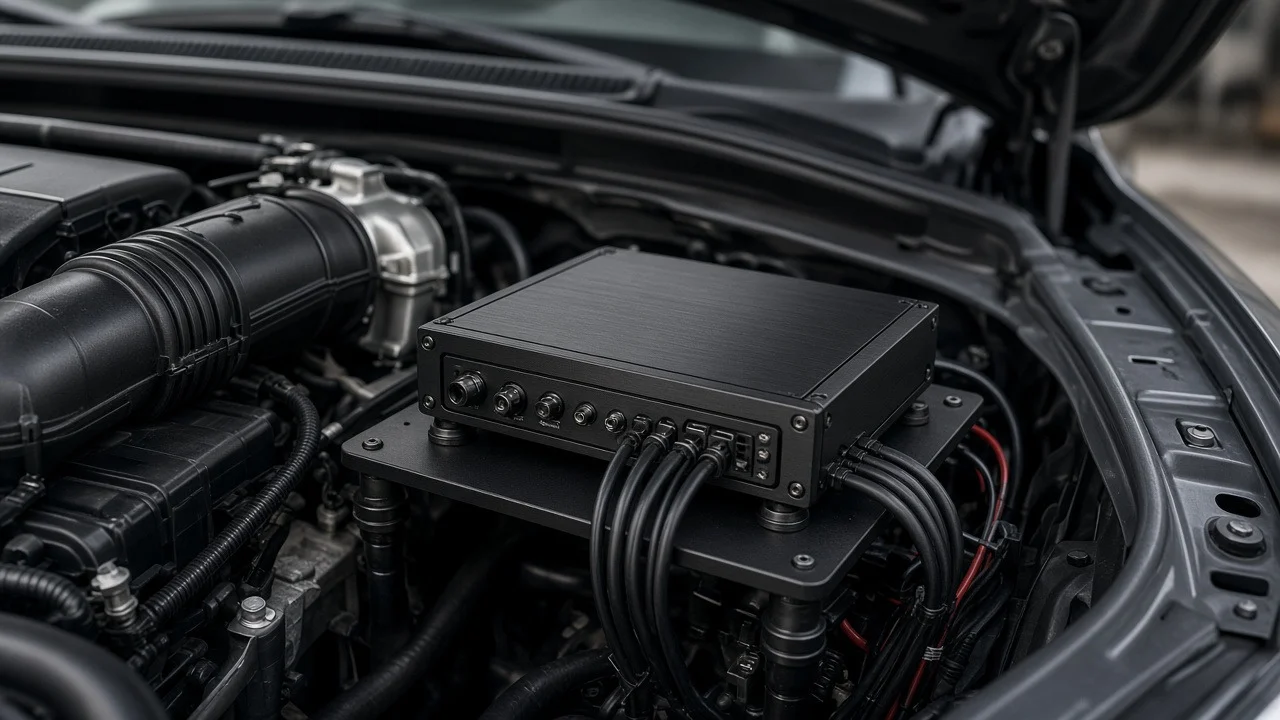
Choosing a JVC car audio amplifier starts with matching the unit to your existing head unit, speaker wiring, and listening goals. An amplifier raises a clean audio source signal to a level that drives speakers with greater clarity and dynamic range, but only when the installation is compatible. Signal reception from the head unit, power supply capacity, and vehicle integration all affect how the amplifier behaves in a real vehicle. Before shopping, think about what your current system lacks and what the amplifier should fix, whether that is weak low-frequency output, distortion at highway volume, or limited control over the sound stage.
The direct answer
The direct answer is that a JVC car audio amplifier can improve system output when it matches your head unit and speakers, but it is not a universal cure for poor sound. You need enough preamp voltage or speaker-level input compatibility, correct impedance handling, and a vehicle electrical system that can support the added current draw. If those conditions are met, the amplifier becomes the strongest hardware upgrade for volume headroom and clearer dynamic response. If they are not met, even a capable amplifier can produce noise, clipping, or shut-down behavior that seems like a product fault but is actually an installation mismatch.
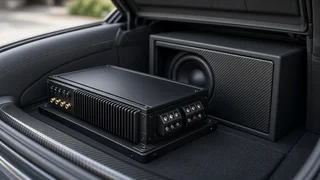
Consider what the amplifier must receive. Modern JVC amplifiers often handle both low-level RCA signals and speaker-level inputs, which matters when the factory or aftermarket head unit lacks dedicated preamp outputs. The same unit can therefore work with a basic stereo or a more advanced source. Wiring gauge, ground quality, and fuse rating determine whether the amplifier sees stable voltage under load. In a daily driver with a stock alternator and small battery, a modest four-channel or mono design is usually easier to integrate than a very high-current model, especially when the system will be played for long periods at idle.