Jones Transmission Cooling Systems: Compatibility and Selection
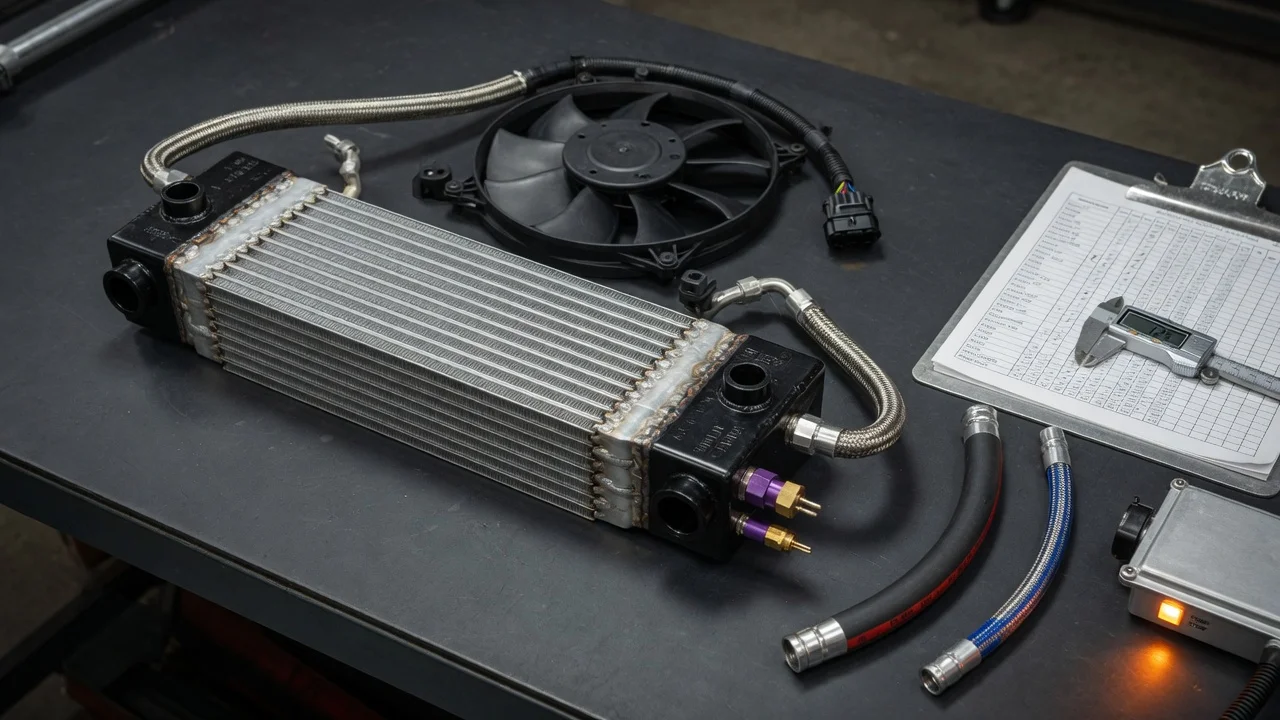
A transmission cooling system keeps fluid within the temperature range the transmission was designed for, and heat speeds up fluid breakdown. If you are considering a Jones transmission cooling system, the useful question is not which cooler looks biggest. What matters is which one matches your transmission, fluid, plumbing and driving. This guide covers defining the job, confirming fitment, weighing features, planning ownership costs and narrowing a shortlist.
Define the job the product must do
Start with how the vehicle is used. Towing a trailer, hauling heavy loads, long mountain grades, stop-and-go delivery work and performance driving all add heat in different ways. Replacing a leaking or damaged factory cooler is a different job again. A replacement unit needs to restore the original function. An auxiliary cooler added for towing supplements the factory system rather than replacing it. Be clear which of these you are shopping for, because the right part, the installation and the budget follow from that answer.
Next, identify the transmission type. A conventional automatic, a CVT and a dual-clutch unit can have quite different cooling arrangements. Some modern automatics and many CVTs use a coolant-to-fluid heat exchanger or a thermostatic valve. They are designed to warm the fluid quickly and hold it at a specific temperature. Adding cooling capacity without accounting for that design can keep the fluid too cold, which may affect shift behavior and efficiency. Note practical constraints too: space in front of the radiator, airflow, climate, your budget and whether you plan to install it yourself.
If you are shopping because of a high-temperature warning or harsh shifts, diagnose before buying. Check stored diagnostic codes, fluid level and condition, and the service history. A temperature code or erratic shifting can come from a sensor, low fluid, a restricted line, internal slipping or a cooler problem. A new cooler addresses only the last of those.
Check compatibility
Fitment begins with the exact vehicle: year, make, model, engine and transmission. Trims in the same model year can use different units, so confirm the transmission code from the VIN, the identification tag or a dealer lookup. Then document the factory cooler arrangement. It may be a cooler built into the radiator tank, a separate air-to-fluid cooler, a coolant heat exchanger, a thermostatic bypass, or a combination of these. Whatever you buy has to work with that arrangement, not just bolt into the space.
The interfaces come next. Measure or look up the cooler line diameter and fitting style, such as hose barb, inverted flare, O-ring boss or quick-connect. Each adapter adds another possible leak point, so a cooler with matching connections is usually the cleaner choice. Hoses, seals and the core must be rated for transmission fluid and suitable for the fluid specification in your owner's manual. Many auxiliary installation instructions route fluid through the factory cooler first and then the auxiliary unit before it returns to the transmission. Follow the specific instructions for your configuration. Finally, check mounting clearance to the radiator, condenser, grille, bumper reinforcement and any aftermarket brush guard. If the Jones listing gives only universal dimensions instead of an application list, measure your available space before ordering.
Features that affect the choice
Core construction is the main design difference. Tube-and-fin coolers are simple and inexpensive. Plate-and-fin and stacked-plate designs are commonly described as transferring more heat for a given size with less flow restriction, usually at a higher price. Restriction matters because added pressure drop can reduce flow through the circuit. Capacity guidance such as a maximum towing weight is a manufacturer's sizing suggestion, not an independent test result. Compare candidates using the same basis rather than taking a larger number as proof of better cooling.
Secondary features can matter for your situation. An electric fan helps at low speed or in slow traffic. A thermostatic bypass reduces the risk of overcooling in cold weather. A port for a temperature sensor lets you monitor results. Included lines, clamps and brackets lower the total cost and reduce guesswork. Treat labels like heavy duty, maximum cooling or race-proven cautiously when they come without supporting details. Useful evidence includes core dimensions, fitting specifications, pressure rating, a stated application list, clear installation instructions and written warranty terms.
Limitations and ownership costs
Installation can mean cutting factory lines, adding hose and clamps, fabricating or adapting brackets, and sometimes removing the grille or bumper cover. Route lines away from exhaust components, belts and sharp edges. Fluid lost during the job must be replaced with fluid that meets the specification. The level must then be set using the manufacturer's procedure, which on many modern transmissions requires a specific fluid temperature, the engine running, and sometimes a scan tool or a fill-plug check rather than a dipstick. Budget for fluid, hardware and shop labor if you are not equipped for this.
Ongoing care is modest but real. Inspect hoses and clamps for seepage, keep bugs and debris out of the fins, and recheck the fluid level after the first drives. A cooler also has firm limits. It cannot repair worn clutches, a faulty solenoid, a failing torque converter or wiring faults behind a code. If the transmission has already suffered an internal failure, debris can collect in the existing cooler and lines. Repair options in that case are guided by diagnosis and may include line flushing, cooler replacement, valve body work, a rebuild or a replacement unit, rather than added cooling alone.
Build a practical shortlist
Before comparing products, write down the facts that decide fitment and suitability. These include the transmission code, the factory cooling arrangement, the required fluid specification, line size and fitting type, available mounting space and your intended use. Add whether you need thermostatic control or a fan, which hardware must be included, and what warranty and return terms you will accept. Any candidate that fails one of the fitment items comes off the list, regardless of price or reputation.
Compare the remaining two or three options side by side using documented specifications, not rankings or claims you cannot verify. Ask the seller to confirm the application against your VIN, and keep that confirmation with your records. For CVTs, vehicles with coolant heat exchangers or units with an unresolved code, have a transmission shop review the plan before you buy. After installation, note the part, the date and the fluid used in the service history so future diagnosis starts from accurate information.