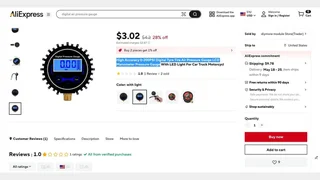
JEGS Tire Pressure Gauge
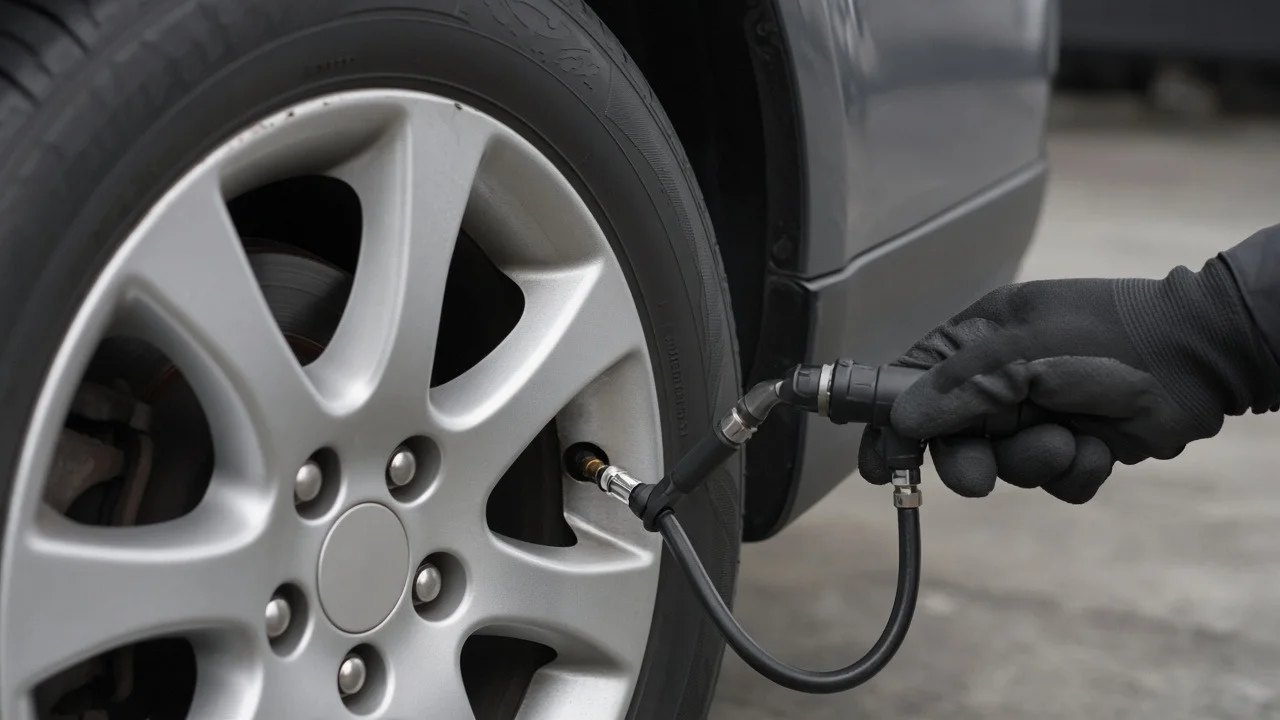
Choosing a tire pressure gauge often comes down to matching the tool to how and where it will be used. For shoppers considering a JEGS-branded option, the important questions are practical: does the gauge read in a usable measurement range, how repeatable is its accuracy, and will the connection seal cleanly on the valve stem. The right gauge turns a guess into a quick check. This guide covers what to look for in construction, units, calibration and everyday handling so you can select a gauge that supports your vehicle specification without overcomplicating the purchase.
The direct answer
A JEGS tire pressure gauge is best understood as a measurement tool whose value depends on functional basics rather than brand name alone. Before buying, confirm that its measurement range covers your expected cold inflation pressures, whether for a passenger car near 32–35 psi or a light truck running higher. A gauge with a range far above your normal reading can sacrifice fine resolution, while a low-range gauge may peg or become inaccurate near its upper limit. Match the span to your tires.
The second condition involves connection and readout. Look for a chuck that seats squarely on the Schrader valve with minimal hissing, because a poor seal introduces a pressure drop and false low reading. Digital or dial faces should be easy to read in shade and direct light. Since calibration can shift after drops or temperature swings, occasional comparison against a known reference helps you decide whether the tool remains trustworthy enough for routine use.