JEGS Electric Brake Booster: Finding a Compatible Product
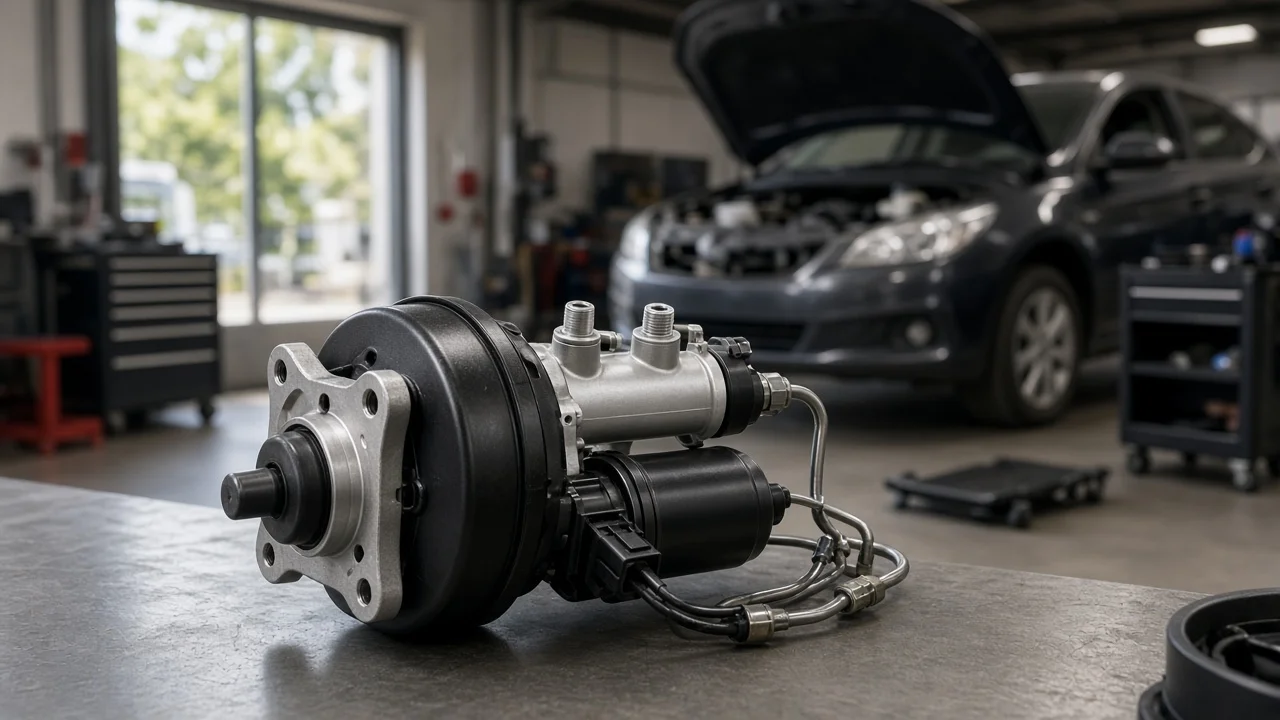
Shopping for an electric brake booster at JEGS usually starts with a practical problem: an engine that no longer makes enough vacuum, a swap that removed the old vacuum source, or a build where a conventional booster simply will not fit. A booster only works well when it matches the vehicle and the rest of the brake system. This guide explains how to judge compatibility before you order and what to check before and after installation.
The short answer on compatibility
A compatible electric brake booster is one whose mounting pattern, pushrod geometry, master cylinder interface, electrical requirements and assist output suit your specific vehicle and brake hardware. The fitment information on a product listing is a useful filter, but it is a starting point rather than a guarantee, especially on modified vehicles. The manufacturer's installation instructions and your vehicle's service information decide whether a given unit is right.
In practice, the buyer needs to know their vehicle's year, make, model and engine, the type of brakes at each axle, the master cylinder in use, and whether the pedal assembly was designed for power or manual brakes. Anyone comfortable with brake hydraulics, basic wiring and proper bleeding can often handle the work, but brakes are safety-critical. If any part of the fit is uncertain, a qualified brake technician should confirm it before the vehicle goes back on the road.
How an electric brake booster works
A conventional power brake booster uses engine vacuum to multiply the force from your foot before it reaches the master cylinder. The master cylinder then pushes brake fluid through the lines to each caliper or wheel cylinder, where the friction material on the brake pads or shoes is clamped against the brake rotors or drums. The booster changes how hard you have to press the pedal; it does not change how much stopping capacity the pads, rotors and calipers can deliver.
Products sold as electric brake boosters generally fall into two approaches. One uses an electric vacuum pump, sometimes with a reservoir, to supply a vacuum booster when the engine cannot. The other is a self-contained electric or electro-hydraulic unit that creates assist without relying on vacuum at all. Both are common answers for big-cam engines with weak idle vacuum, diesel or forced-induction builds, electric vehicle conversions, and tight engine bays. Which approach suits you depends on space, wiring, and how the product's maker specifies its use.
What changes the answer
Mechanical fit is the first filter. The booster's firewall bolt pattern must match your vehicle or a listed adapter, and it must clear the engine, headers, steering components and inner fender. The pushrod length and adjustment must suit your pedal, and the master cylinder flange and bore size must work with the booster and with your disc or drum combination. Pedal ratio matters too: manual-brake pedals are built with more leverage than power-brake pedals, and pairing the wrong pedal with a booster can produce an overly touchy or overly firm pedal. A change of master cylinder can also require a matching proportioning or combination valve.
Electrical requirements are the second filter. Electric units need a properly fused 12-volt supply, often through a relay and an ignition-switched trigger, and their current draw must be within what the charging system can support. Some designs use a pressure or vacuum switch to cycle the pump. Read the product's wiring requirements before buying, not after.
Vehicle type is the third. Many late-model vehicles have factory electronic brake systems tied into anti-lock braking, stability control and driver-assistance features, and an aftermarket booster may not be appropriate for them at all. Aftermarket electric boosters are most commonly used on older, custom or heavily modified vehicles. Heavy vehicles, towing use and track driving also raise the demands placed on assist and on the hydraulic system.
What the owner can do before and after buying
Before ordering, write down the full vehicle details along with any modifications: engine swap, camshaft, master cylinder, brake upgrades and pedal assembly. Compare that list against the product's fitment notes and installation instructions, and contact the retailer's or manufacturer's technical support with the same details if anything does not clearly line up. If you suspect low engine vacuum is the reason for a hard pedal, confirm it with a vacuum gauge and check the vacuum hose and check valve first, since a leak or failed valve can mimic a booster problem.
Inspect the existing brakes as well. Pads worn to their wear limits, rotors below minimum thickness, a sticking caliper, leaking lines, or old or contaminated brake fluid will not be fixed by a new booster, and they should be corrected using the specifications for your vehicle before or alongside the upgrade.
After installation, bleed the system according to the master cylinder and vehicle instructions, set the pushrod and pedal free play as specified, and confirm the brake light switch still operates correctly. A pushrod set too long can keep the master cylinder from fully releasing and cause dragging brakes. Test at low speed in a safe, open area, then check that no wheel runs hot and that the pedal stays firm and consistent.
Limitations and next step
This guide cannot confirm that a particular part number fits a particular vehicle. Catalog fitment assumes a stock or documented configuration, and every swap or custom change moves the vehicle further from that assumption. The product manufacturer's specifications and your vehicle's service information always take priority over general advice, and installations involving anti-lock systems, engine swaps or custom pedal assemblies are best checked or completed by a professional brake technician.
Stop driving and have the vehicle inspected if the pedal sinks toward the floor, feels suddenly hard, the brake warning light comes on, fluid is leaking, the vehicle pulls under braking, or you hear grinding. The practical next step is to collect your vehicle and brake details, shortlist boosters whose stated fitment and wiring requirements match them, and confirm the choice with technical support or a technician before ordering.