Jeep Wrangler Torque Converter Shudder Diagnosis
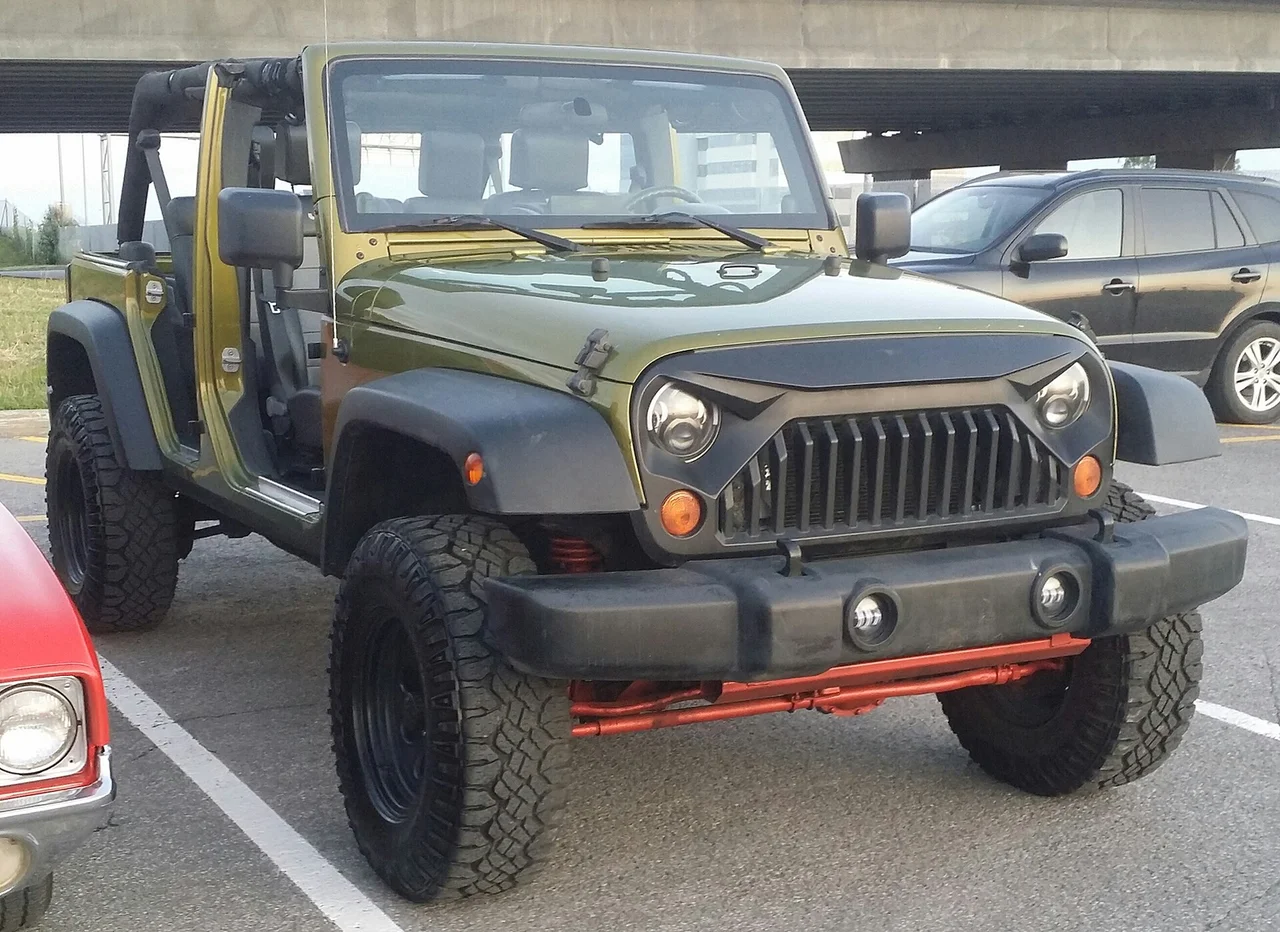
On automatic Jeep Wranglers, including the JK generation, a common drivability complaint is a shudder at steady cruising speed that feels like rolling over rumble strips. It often points to the torque converter clutch. Engine misfires, driveline angles and tire changes can feel almost the same, though. This guide covers how to record the symptom, separate the competing causes and check them in a sensible order before anyone replaces a converter.
Identify the transmission first
Only automatic Wranglers have a torque converter. A manual-transmission Jeep with a similar vibration needs a different diagnostic path. Automatic TJ models used a three-speed or the four-speed 42RLE, depending on year. Early JK models from 2007 to 2011 used the 42RLE, later JK models from 2012 to 2018 used a five-speed automatic, and the JL uses an eight-speed. Each transmission type has its own fluid specification, fluid level procedure and converter clutch control strategy. Confirm the exact unit from the build data, the transmission identification tag or a dealer VIN lookup before you buy fluid or compare your Jeep with someone else's.
Establish the symptoms
Write down exactly when the shudder happens: road speed, gear if you can tell, how much throttle, engine temperature, and whether you are climbing, towing or carrying a load. Converter clutch shudder usually appears at light, steady throttle in the moderate speed range, when the clutch is applying or holding partial lock. It often fades when you press harder on the accelerator or lift off completely. Also note whether it happens in two-wheel drive and four-wheel drive, whether it changes after the transmission warms up, and whether the tachometer needle flickers while it happens.
Associated signs narrow the field. Look for any of these: • a steady or flashing check engine light; • delayed engagement into drive or reverse; • harsh or flared shifts, or slipping; • a burnt smell or fluid spots under the vehicle; Note recent changes too: a lift kit, larger tires, new axle gearing, a tuner or recalibration, recent fluid service, a water crossing or heavy towing. Pull together the service history, especially when the fluid was last changed and which product was used.
Distinguish plausible causes
Several converter-related causes are possible. Fluid that has degraded or lost its friction properties can cause shudder, as can the wrong fluid or a low fluid level. The converter clutch's own friction material may be worn or glazed. Control problems such as a sticking solenoid, a valve body issue or incorrect apply pressure can also produce it. Some observations support a converter clutch cause: the shudder occurs only in the lockup window, it stops when lockup is released, or it began after a long fluid interval or a service with an incorrect fluid. Other observations weaken it: the vibration is present at idle in park, it happens across all gears regardless of load, or it simply tracks road speed.
Several other faults can feel like a converter problem. • A light-load engine misfire from a coil, spark plug or injector problem. This is more likely if the check engine light flashes or misfire counts rise during the event. • Driveline vibration from changed driveshaft angles after a lift, worn universal joints or slip yoke issues. This usually follows road speed rather than engine load. • Unbalanced or out-of-round tires. • Larger tires without a matching calibration. These shift where lockup happens and how hard the converter works at low engine speed. • Worn engine or transmission mounts, which amplify any of the above. A violent front-end shake triggered by bumps is a steering and suspension issue, not converter shudder.
Checks in a useful order
Most owners can safely do the following: • Read stored codes with a basic reader. Converter clutch codes in the P0740 to P0744 range, or P0300-series misfire codes, change the direction of the diagnosis. • Inspect for leaks around the pan, cooler lines and converter housing. • Where the transmission has an accessible dipstick, as the 42RLE does, check fluid level and condition using the owner's manual procedure. • Do a controlled road test on a quiet road. Hold a steady speed inside the shudder range, then lightly touch the brake pedal without really slowing. On many vehicles this signals the converter clutch to release. If the shudder stops at that moment, the converter clutch moves up the list.
Some checks need tools, specifications or a qualified technician: • A scan tool that shows converter clutch command, slip speed, fluid temperature and misfire counters live during the event. • Fluid level checks on transmissions without a conventional owner dipstick, such as the later JK five-speed and the JL eight-speed. These need a temperature-specific procedure and sometimes a special tool. • Driveline angle measurement, tire balancing and inspection of the fluid pan for debris. • Checking by VIN whether a software update or service bulletin applies. • Line pressure testing.
Interpret the findings
Each result points in a specific direction: • The shudder stops with a light brake tap, and live data shows slip speed oscillating while the clutch applies. This establishes a converter clutch engagement problem. It does not yet tell you whether the fault is the fluid, the control system or the converter itself. • Misfire counts climb during the event. Repair the ignition or fuel fault first, then road test again. • The vibration continues while coasting, or follows road speed in every gear. Look at the driveline, tires and mounts before blaming the converter.
Check several things before replacing parts. Dark fluid with a burnt smell, or friction material in the pan, suggests internal wear rather than just tired fluid. A fluid service with the correct product sometimes reduces shudder caused by degraded fluid, but the improvement may not last if the friction surfaces are worn. Use only fluids that meet your transmission's stated specification. Do not rely on additives that are not confirmed compatible with it. Converter replacement normally requires removing the transmission, so rule out codes, software updates, wiring and solenoid faults first.
Urgency and next action
Stop driving and arrange a tow if you see any of these: • a flashing check engine light; • slipping or loss of drive; • a transmission temperature warning; • a burnt smell or active fluid leak; • loud clunks; • vibration that worsens quickly or affects control; A mild, intermittent shudder is usually not an emergency. Even so, a clutch that keeps slipping generates heat and contaminates the fluid, and no particular remaining mileage can be promised as safe.
Give the shop the model year, engine, transmission, mileage and tire size. List any lift, regear or tuner changes, the full fluid service history with the product used, any codes with freeze-frame data, and the precise conditions that trigger the shudder. Repair options range from a correct-specification fluid service or software update, through solenoid or valve body repair, to converter replacement or a transmission rebuild. The test evidence, not the symptom alone, should decide which one you need.