Jeep Wrangler Insurance Cost: Coverage and Premium Factors
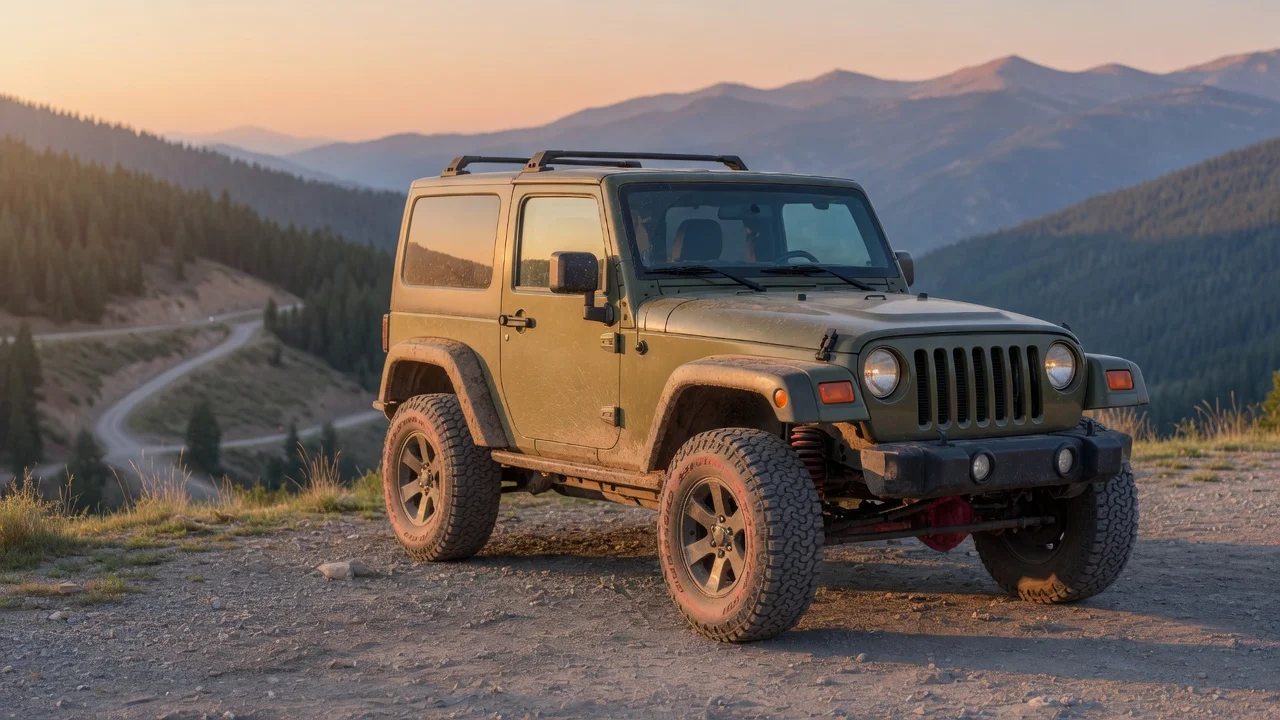
What a Wrangler typically costs to insure
There is no single insurance price for a Jeep Wrangler. The premium is the insurer’s price for claim risk on that specific vehicle, driver, garage location, and coverage package. A two-door Sport, a four-door Rubicon, a 4xe plug-in hybrid, and a modified trail Jeep can all rate differently even when they share a ZIP code. Model year, trim, powertrain, and the VIN are material conditions; so are who drives the Jeep, annual mileage, parking, driving and claims history, and the limits and deductibles you choose.
Published averages mix those conditions, so they cannot stand in for your number. The figure you can act on is a quote written for your VIN, listed drivers, garage address, and selected coverages. Until those inputs are fixed, treat any round dollar amount as a placeholder.
Coverages that make up the bill
A Wrangler policy is a stack of coverages. Each line has its own limit or deductible, and only some of them are sensitive to Jeep-specific repair, theft, and equipment issues.
Coverage What it pays Why it matters on a Wrangler; Liability (bodily injury and property damage) Injury and damage you cause to other people and their property Driven mainly by the driver, state minimums, and local lawsuit climate; Collision Repair or replacement of your Jeep after a crash with a vehicle or object Tracks repair cost, parts, and any lift, tire, or armor changes that affect crash work; Comprehensive Theft, hail, flood, fire, vandalism, glass, and animal strikes Tracks open-air body style, theft of interiors and accessories, weather, and glass; Uninsured and underinsured motorist Your injuries (and, in some states, vehicle damage) when the other driver has little or no insurance Limits should match your liability limits in most shopping comparisons; Medical payments or personal injury protection Medical bills for you and passengers, on terms set by the state Required or strongly shaped by state no-fault and tort rules; Optional add-ons Roadside help, rental reimbursement, loan or lease gap, and scheduled custom parts Gap and custom-equipment coverage matter if the Jeep is financed or built with aftermarket gear
Collision and comprehensive are the lines most tied to the Wrangler as a vehicle. Liability and medical or personal-injury coverages are tied more to the people in the Jeep and to state law. If the Jeep is financed or leased, the lender will require collision and comprehensive until the loan or lease ends.
Why this SUV rates the way it does
Insurers class the Wrangler as a body-on-frame off-road SUV with a large aftermarket and a mix of daily drivers and trail vehicles. That class can raise comprehensive and collision rates when removable tops or doors increase weather, vandalism, or interior-theft claims; when body and specialty off-road parts cost more to replace than parts for a conventional crossover; and when lifts, oversized tires, aftermarket bumpers, and lighting change how a crash is repaired. Mixed on-road and off-road use can also affect whether a claim is treated as a covered loss, depending on the policy wording.
A garage-kept commuter with a clean record and a stock vehicle can still land in a moderate band. Rating always combines the Jeep, the drivers, the place it is kept, and the coverage you buy. Stay tied to the model year, market, trim, and powertrain you will actually insure; a current JL-generation Wrangler is rated apart from older JK or TJ vehicles, and within one year a Sport, Sahara, Rubicon, and 4xe can carry different rating symbols because price, theft data, and repair estimates differ.
Premium factors to lock in before you compare quotes
Give every insurer the same facts so the quotes are comparable.
Vehicle: year, trim and packages, two-door or four-door, gasoline or 4xe powertrain, VIN, and any permanent modifications such as a lift, bumper, winch, or lighting. Vehicle use: commuting, pleasure, business, or off-road; estimated annual miles; garage, driveway, or street parking. People: every licensed household driver, ages, violations, at-fault accidents, and, where the state allows it, credit-based insurance score. Coverage choices: bodily-injury and property-damage limits, uninsured-motorist limits, comprehensive and collision deductibles, and whether custom equipment is scheduled with values and receipts. Discounts: multi-policy (home or renters with auto), multi-vehicle, telematics or usage-based programs, factory alarm and air bags, defensive-driving courses, good-student status, and paying the term in full.
State rules change the result. Minimum liability, no-fault versus tort, and whether credit or occupation may be used in rating all affect the page total. Ask the agent to rate the exact VIN rather than a generic Wrangler; unresolved trim and powertrain differences show up only at that level of detail.
Modifications, tops, and how you use the Jeep
Factory equipment such as a hardtop, extra airbags, and an alarm may qualify for an equipment discount. Aftermarket lifts, tire packages, armor, winches, and stereos usually do not. Those parts can raise the premium and still be unpaid after a total loss unless you buy stated-amount or custom-equipment coverage and keep invoices. Disclose modifications when you apply; an undeclared lift found at claim time can cut or deny collision payment.
If you remove the top or doors, comprehensive claims for weather, theft of interior items, and vandalism become more likely, which is already in the rating for many open-air Wranglers. If you use the Jeep off pavement, read the policy definition of a covered road and any exclusion for racing or organized off-road events before the first trail day. Usage that the application described as commuting can be treated differently from usage described as off-road recreation.
Ways to manage the premium while keeping enough coverage
Raise comprehensive and collision deductibles only if you can pay that amount after a theft or crash. On an older Wrangler whose repair cost would exceed its actual cash value, consider dropping collision while keeping strong liability and uninsured-motorist limits. Bundle the Jeep with a homeowners or renters policy when the same carrier will rate both. Enroll in a usage-based or low-mileage program if your annual miles are genuinely low. Compare loan or lease gap coverage from the dealer, the lender, and the auto insurer as three separate products. Recheck the policy at renewal, after a move, after you add or remove a driver, and after you install or remove modifications.
A next step that produces a real number
Collect three to five quotes that share the same VIN, the same listed drivers, and the same limits and deductibles. Ask each carrier, in writing, how it treats off-road use and aftermarket parts. That comparison is the decision tool; this article cannot replace it, because a premium without ZIP code, driver profile, model year, trim, powertrain, and coverage selection is an unresolved figure.