Jeep Wrangler and Gladiator Cabin Air Filter: Fitment and Replacement
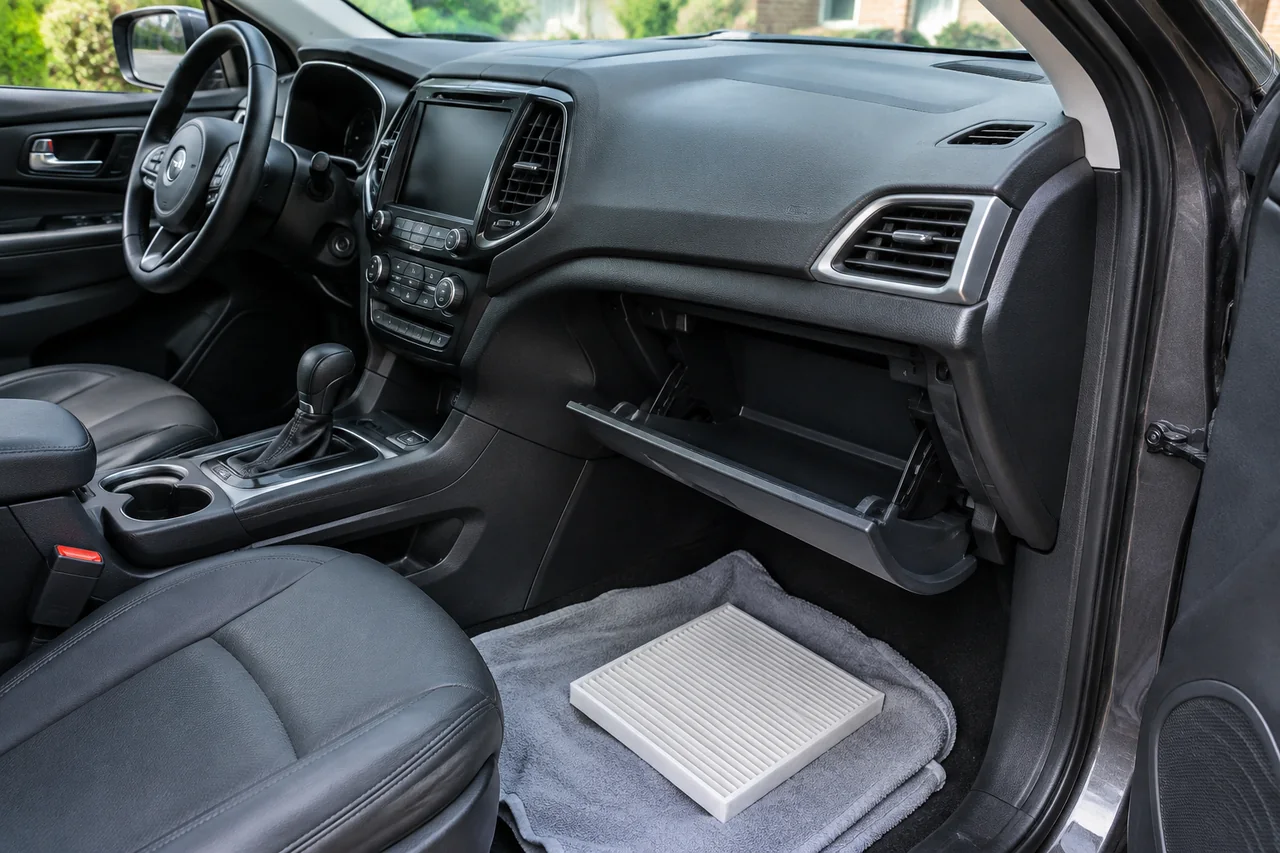
A cabin air filter for Jeep Wrangler and Gladiator trucks is not something you can assume from the nameplate alone. Factory equipment, model year, and the HVAC housing arrangement decide whether a filter is specified, where it sits, and how it is replaced. Owners still need to confirm fitment, inspect access, choose a compatible filter or cabin filter retrofit path, and replace the element without damaging the housing.
Check Whether Your Wrangler Has a Cabin Air Filter
The Wrangler name does not tell you whether a cabin air filter was installed at the factory. Generations, model years, and option packages differ, so two Wranglers of similar appearance can have different HVAC layouts. Confirm generation, model year, and relevant equipment before ordering a Jeep Wrangler cabin air filter. The owner's manual and vehicle-specific parts information show the intended arrangement: whether a filter is specified, how many elements are used, and which housing design applies.
A cabin filter housing designed to accept an element is not the same as proof that a filter is currently installed. Some vehicles have the housing and cover even when the slot is empty. On a used Wrangler, an empty housing also does not establish original factory equipment; a previous owner may have removed the filter, never installed one, or fitted a later retrofit. Treat the empty slot as a current condition, then verify the specified layout with documentation rather than assuming the truck left the plant that way.
Confirm the Cabin Filter Arrangement in Your Gladiator
Jeep Gladiator cabin air filter fitment should stay tied to that truck's model year and its own documentation. Shared Jeep branding does not make a Wrangler filter or replacement procedure automatically correct for a Gladiator. Confirm the specified filter, cabin filter housing arrangement, and access procedure before buying parts. Parts catalogs and the owner's manual identify the intended element shape, quantity, and housing design for that application, which is the reliable way to avoid mixing Wrangler and Gladiator service assumptions.
A careful visual inspection can show whether the specified filter is present and properly seated once you have identified the documented access path. Look for a complete element that fills the opening, sits flush against the intended stops, and is not folded or left loose in the slot. Do not treat a missing filter as proof the Gladiator was never designed for one. Confirm the intended arrangement first, then decide whether you are seeing an omitted element, a prior removal, or a housing never meant to hold a filter.
Locate the Filter and Inspect the Access Area
Verify the documented filter location rather than guessing from photos of other Jeeps. On many applications the cabin filter sits behind the glove compartment, but that is not a substitute for checking the manual for your model year. Empty the glove compartment first, then look for the documented stops, retaining tabs, or damper before you swing or lower the box. Those parts control how far the glove compartment can travel; forcing it past them can crack the bin or pull a damper out of its track.
Park the vehicle securely and switch off the ignition and climate system before opening the cabin filter housing. With the blower stopped, identify the filter access cover and note how the element is oriented. Do not force trim, reach toward moving HVAC parts, or disturb nearby wiring while you work. The cover should release along its documented path. If it binds, stop and recheck the procedure rather than prying against the housing, which can break latches that later leak unfiltered air around the filter.
Choose a Compatible Filter or Confirm Retrofit Eligibility
Choose a cabin air filter for Jeep Wrangler or Gladiator use only after confirming dimensions, shape, quantity, and application against model-year and vehicle-specific fitment information. A catalog listing that looks similar can still be the wrong thickness or the wrong number of elements. Match the part to the truck, not to a generic Jeep description. Quantity matters as well: some housings use a single panel, while others are specified as a set, and mixing those layouts leaves gaps that bypass dust and pollen.
Installing a filter in an empty housing is not automatically a cabin filter retrofit. The housing must be designed to accept the element, and any required cover, retaining hardware, or approved retrofit components must be verified before you proceed. Do not cut the HVAC housing or improvise mounts to make a filter stay in place. That kind of modification can disturb HVAC airflow, leave debris paths around the media, and damage climate-system parts. If installation requires cutting or fabricating, stop and seek qualified guidance rather than forcing a DIY fit.
Replace the Wrangler Cabin Filter Without Damaging the Housing
Open the documented access cover and note the old filter's position before you pull it out. That snapshot tells you how the media sat in the housing and which way any airflow direction arrow was facing. Slide the element out carefully so it does not tear and drop debris into the duct. Remove only accessible loose debris from the opening. Do not push dirt deeper into the HVAC system, and do not spray cleaner into the housing; liquid can soak remaining media or migrate toward the blower.
An airflow direction arrow marks intended flow through the media; it does not automatically point upward. Follow the vehicle documentation for orientation rather than assuming a universal arrow rule. Seat the specified filter or filter set so it fills the opening without crushing or folding the media, then secure the filter access cover and restore the glove compartment. Finish by checking that latches are fully engaged, the glove compartment opens and closes normally, and the vents deliver airflow without the cover rattling or leaking around the housing.
Decide When Inspection or Further HVAC Testing Is Needed
Replacement timing should come from the vehicle's maintenance guidance and the actual condition of the filter, not from a universal interval. Dust exposure, accumulated debris, moisture, or visible media damage can justify an inspection even when the calendar has not reached a listed service point. Off-road dust and pollen load the media faster than highway use, and a soaked or collapsed element can restrict HVAC airflow. Inspect what is in the housing rather than guessing from mileage alone.
Reduced vent airflow and a musty vent odor are reasons to investigate, but they do not prove the cabin filter has failed. Leaves in the cowl, a weak blower, a blend-door problem, or moisture in the evaporator case can produce the same complaints. After a correct filter installation, persistent weak airflow, blower noise, recurring moisture, or odors that remain in the vents call for professional HVAC diagnosis. Treat the filter as one possible contributor, then test the rest of the climate system rather than replacing parts by symptom alone.