Jeep Grand Cherokee Spark Plug Replacement Guide
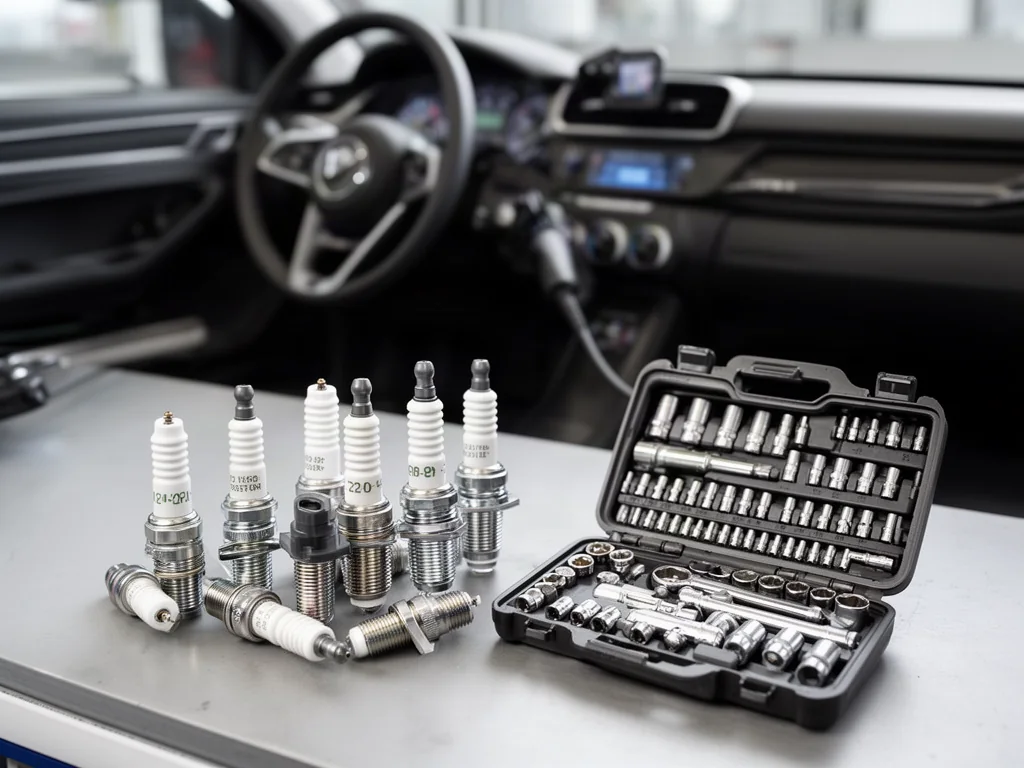
Jeep Grand Cherokee spark plugs should be selected and serviced according to the engine actually installed, not a generic SUV layout. Spark plugs for Jeep Grand Cherokee V6 and V8 applications differ in quantity, access, and specification, so model-year identification comes first. Use the maintenance schedule and service information for that engine to decide when replacement is due and how ignition coils, heat range, and gap must be confirmed.
Identify the Grand Cherokee Engine Before Planning Service
Planning spark plug work on a Grand Cherokee starts with engine identification because plug type, quantity, and intake access are not the same across every model year. A V6 and a V8 can share the Grand Cherokee nameplate while using different ignition coil layouts, thread details, and service procedures. Selecting spark plugs for Jeep Grand Cherokee service from appearance or from another engine family risks the wrong heat range, seat design, or reach. Confirm the exact configuration before ordering parts or estimating labor.
Vehicle documentation, underhood emission or engine labels, and VIN-based service information are the practical ways to establish which engine is installed. Those sources also show whether the ignition arrangement uses individual coils or another confirmed layout for that engine. Do not assume every Grand Cherokee uses the same bank access or the same number of plugs. Quantity and coil-on-plug versus other confirmed designs must be verified for the specific engine so the job is scoped to the correct cylinders and connectors.
Find the Applicable Spark Plug Replacement Interval
The spark plug service interval belongs in the maintenance schedule for the vehicle’s model year and engine, not in a single mileage figure applied to every Grand Cherokee. Documented replacement mileage in the owner information or factory schedule is the baseline for deciding whether scheduled service is due. Service history that already lists a plug replacement can move that date, while missing entries leave the interval unconfirmed. Match the schedule line to the identified engine so a V6 and a V8 are not treated as interchangeable.
When maintenance history is uncertain, review invoices, inspection notes, and any prior work orders before assuming the plugs are still within the published interval. An inspection can then show electrode wear, oil fouling, or other visible condition without treating appearance as a substitute for the schedule. Drivability symptoms still warrant diagnosis even when scheduled replacement is not yet due, because misfire, hesitation, or hard starting can come from coils, wiring, fuel delivery, or other systems. Interval service and symptom diagnosis are related but separate decisions.
Confirm the Correct Spark Plug Specification
Confirm the spark plug specification with the exact Grand Cherokee year, engine, and any listed option using an authoritative parts catalog or the vehicle’s service specification. Those sources identify electrode material, spark plug heat range, thread reach, seat design, and the specified gap for that application. Inventing a gap, reach, or heat range from another engine is not a substitute. Jeep Grand Cherokee spark plugs that look similar can still differ in seating style or insulator length, which affects sealing and heat transfer at the cylinder head.
A familiar brand name or an apparently matching plug does not establish compatibility. Cross-references still need the same heat range, reach, seat, and electrode construction the catalog assigns to that engine. Gap verification and any permitted adjustment must follow the plug maker’s and vehicle’s guidance, especially on fine-wire electrodes that can bend or break if forced. If the catalog forbids gapping a particular design, install the plug as specified rather than reshaping the electrode. Wrong heat range or an incorrect gap can contribute to misfire or poor combustion without proving the plug was the original cause.
Understand V6 and V8 Access Requirements
Access for Jeep Grand Cherokee spark plugs depends on how that engine is installed, so the applicable service procedure is the place to check intake-component, cover, and ignition-coil steps. Some V6 or V8 layouts require intake access or other confirmed cover removal before rear-bank plugs can be reached; others do not, and that difference must be read from the procedure for the identified engine. Treating every Grand Cherokee as if the coils sit in the open can understate labor and miss fasteners that protect wiring and seals.
Access-related seals, gaskets, and hardware can expand the service scope when the procedure calls for them, but they are not automatic replacement items on every Grand Cherokee. Inspect those parts against the engine’s instructions rather than replacing them by habit. Restricted access, fragile ignition connectors, and unfamiliar intake work are reasons to use a qualified technician, especially on a rear bank that sits under intake plumbing. Forcing a coil boot or prying on a connector can create a new misfire that was not present before the job.
Recognize Symptoms Without Assuming the Plugs Are at Fault
Rough idle, hesitation, hard starting, and misfire can involve spark plugs, yet they can also come from ignition coils, injector issues, vacuum leaks, fuel quality, or sensor faults. Treating those symptoms as proof that Jeep Grand Cherokee spark plugs have failed skips the diagnostic path the control module and related systems require. A worn plug can contribute to a weak spark, but so can a damaged coil boot, a loose connector, or an air leak at the intake. Confirm the engine first, then interpret symptoms in that context.
A misfire code is evidence to interpret, not proof a spark plug has failed, and it does not by itself justify replacing ignition coils. Manufacturer-dependent codes still need vehicle-specific confirmation of cylinder, freeze-frame data, and related tests. Record when the roughness or hesitation occurs, whether it is cold or warmed up, and whether a warning light is steady, without touching running engine components. A flashing check-engine light or severe shaking is a reason to stop safely and arrange prompt professional help rather than continuing to drive for diagnosis at home.
Set a Safe Service Scope and Confirm the Result
A useful service estimate should name the verified plug specification, the required quantity for that engine, the access labor the procedure actually lists, and any additional materials already confirmed, such as a gasket the intake step requires. Open-ended tune-up language hides whether coils, boots, or seals are included. Cylinder-head threads, ceramic insulators, and ignition connectors need careful handling and the vehicle-specific procedure because cross-threading or a cracked insulator can create a leak path or a misfire after the plugs are new. Do not treat coil replacement as automatic with plug service.
Torque, spark plug gap, and reassembly specifications belong in the service information for that Grand Cherokee engine; there is no universal sequence that covers every V6 and V8. Verify those figures in the applicable procedure rather than borrowing them from another vehicle. After installation, document the plug part number, heat range if listed, and the mileage at service so the next interval has a clear starting point. Persistent rough running, a returning misfire, or a warning light after the job still needs professional diagnosis instead of another round of unverified parts.