Jeep Grand Cherokee Shift Lock Release: Find the Instructions for Your Model Year
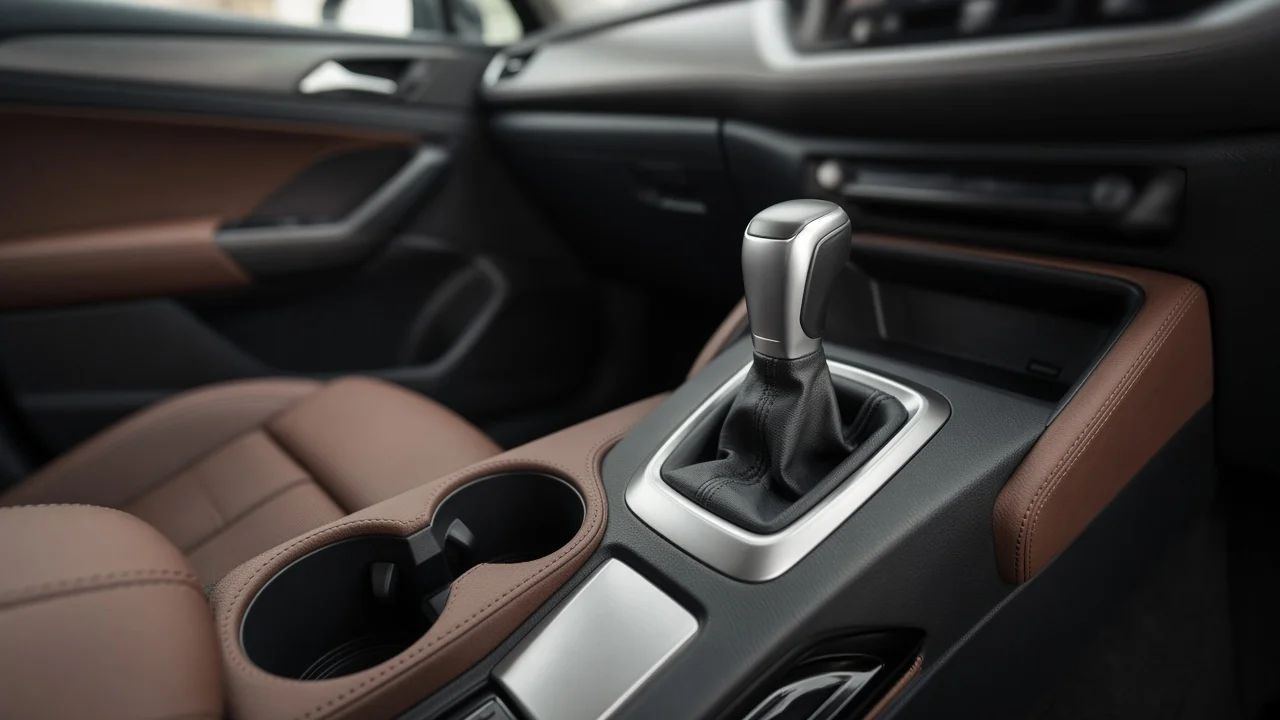
When a Grand Cherokee will not shift out of park, owners usually want to know where the shift lock release is and how to use it. The answer depends on the generation and the shifter fitted to your Jeep. Older models with a mechanical lever handle it differently from later models with electronic shifters. This guide explains what the release does, how model year and transmission type change the procedure, and what a stuck shifter can and cannot tell you.
The short answer
The shift lock release, also called a shift lock override, is a manual way to move the selector out of park when the electrical interlock will not release it. On Grand Cherokees with a mechanical shift lever, this is usually a small access point near the lever. You press it with the key or a slim tool while holding the brake, then move the lever. On later models with electronic shifters, there is no simple override button. Instead, the owner's manual describes a manual park release procedure, which may involve removing trim or reaching a release mechanism elsewhere in the vehicle.
Because the location and steps differ by generation, the reliable source is the owner's manual or service information for your exact model year. The release is a temporary measure for moving or towing the vehicle. It does not fix whatever stopped the shifter from releasing normally.
How the shift interlock works
Most Grand Cherokees with an automatic transmission have a brake transmission shift interlock. Its job is to keep the selector locked in park until the ignition is on and the brake pedal is pressed. On mechanical shifters, a small solenoid or actuator physically blocks the lever. Pressing the brake closes the brake light switch, which signals the system to energize the solenoid and unlock the lever. If any part of that chain fails, the lever stays locked even though the transmission itself may be fine.
The manual override bypasses the solenoid by pushing the locking mechanism aside by hand. Electronic shifters work differently. The selector sends a signal to the transmission control system, and park is engaged by the transmission or an electrically controlled mechanism. In that case, the manual park release acts on the park mechanism itself rather than on a lock at the lever. That is why the procedure on newer models is more involved.
Model year and transmission differences
Grand Cherokee generations are commonly grouped as follows: ZJ for 1993 to 1998, WJ for 1999 to 2004, WK for 2005 to 2010, WK2 for 2011 to 2021, and the current generation from 2022 onward. The first generation used a column shifter. Later generations moved to a console-mounted lever. These earlier mechanical designs are where owners typically find a conventional shift lock override near the shifter, though the exact access point and any cover or trim to remove vary.
The WK2 generation changed partway through. Early WK2 models used a conventional console lever with five- or six-speed automatics. From the 2014 model year, the Grand Cherokee adopted an eight-speed automatic with an electronic shifter, and the shifter design was revised again within that generation. The 2022 and later models use a rotary shift dial. On these electronic designs, look for the manual park release procedure in the owner's manual rather than an override slot next to the shifter.
Trim level, engine and production date can also affect fitment of the shifter and related parts. If you are ordering an interlock solenoid, brake switch or shifter assembly, match it to your VIN rather than just the model year, since mid-year changes are common.
What the owner can check and do
Start with the simple checks before reaching for the override. Make sure the ignition is fully on, then confirm that pressing the brake turns on the brake lights. Have someone watch, or check the reflection against a wall. If the brake lights do not come on, the brake light switch or its fuse is a likely suspect, because the interlock relies on the same signal. A weak or dead battery can also stop the solenoid or an electronic shifter from working, so check for dim lights, slow cranking or warning messages. Liquids spilled into the console can jam a mechanical lock, so look for sticky residue around the shifter.
If you need to move the vehicle, follow the release steps for your generation exactly. Note any warning lights or messages on the dash, and if possible have the system scanned for diagnostic codes. On electronic shifters especially, stored codes often point toward the circuit or module involved. Also record the shift behavior once the vehicle is moving. Normal shifting after the release suggests the problem is in the interlock or its signals rather than in the transmission itself.
Safety when releasing park
Releasing park removes the transmission's hold on the wheels, so the vehicle can roll as soon as the release is used. Do it on level ground with the parking brake firmly applied, and chock the wheels if you will be working outside the cabin. Keep your foot on the brake whenever the override is engaged from the driver's seat. On models where the manual park release keeps the transmission out of park, the manual will describe how to reset it. Do not drive or leave the vehicle until the transmission can be confirmed back in park.
Limitations and next step
A shifter stuck in park is a symptom, not a diagnosis. A failed brake light switch, a blown fuse, low voltage, a faulty interlock solenoid, a damaged shift cable or linkage, and a shifter or module fault can all produce it. Checking the transmission fluid level or fluid specification will not free a stuck interlock, although fluid condition matters if you later notice harsh or delayed shifts. Without testing, replacing parts on a guess often wastes money.
Use the owner's manual for your exact model year to find the release, and check the service history for previous shifter, electrical or transmission work and any completed recalls or service bulletins. If the brake lights work, the battery is healthy and the shifter still locks, or if an electronic shifter shows warnings or codes, a transmission specialist or dealer can test the circuit and explain the repair options. Do the same if the vehicle will not reliably stay in park after the release.