Jeep Grand Cherokee and Cherokee EGR Valve: Location and Replacement
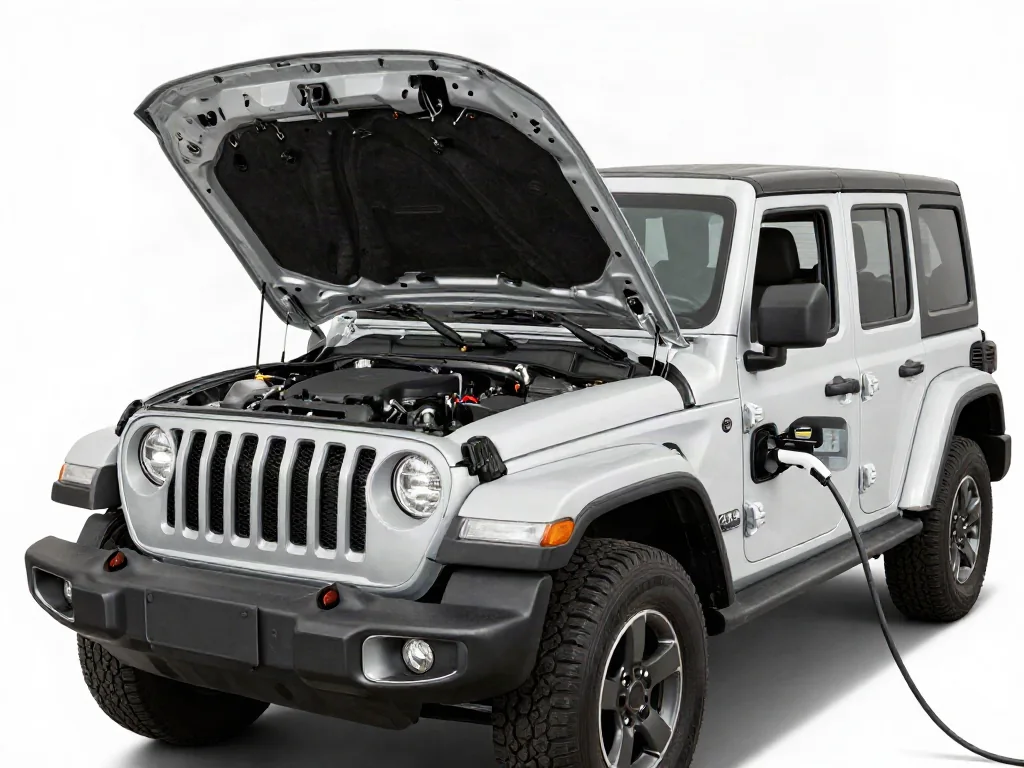
Owners looking for an EGR valve for Jeep Grand Cherokee or Cherokee vehicles need more than the model name. Exhaust gas recirculation hardware varies by engine, model year, market, and emissions configuration, including 3.6 Pentastar applications. Confirm engine identification, the emissions label, and a VIN-based parts lookup before assuming an external EGR valve is fitted or starting a location search.
Confirm Your Grand Cherokee’s Engine and EGR Equipment
The Grand Cherokee nameplate covers multiple engines and emissions packages, so it cannot by itself establish whether a serviceable external EGR valve is present. Some powertrains manage exhaust gas recirculation with a discrete valve; others use a different strategy with no separately replaceable valve for the owner to locate. Before searching for a Jeep Grand Cherokee EGR valve, record the model year, engine, market, and the emissions configuration shown on the under-hood label.
Engine identification and VIN-based parts lookup must come next. The VIN ties the vehicle to the exact engine and emissions hardware that left the factory, which catalog listings based on model name alone often cannot resolve. Vehicle-specific service information should confirm whether an EGR valve for Jeep Grand Cherokee applications is even specified before anyone names a component, describes access, or discusses replacement. Until that documentation matches the VIN, treat location talk and parts orders as incomplete.
Verify the 3.6 Pentastar EGR Layout Before Searching for a Valve
Owners asking about 3.6 Pentastar EGR valve location should first establish whether that particular application has an external EGR valve. The Pentastar family does not guarantee that hardware on every Grand Cherokee. Exhaust gas recirculation strategy can be built into the engine management approach without a separate replaceable valve sitting on the intake or exhaust side. Confirm the particular 3.6 Pentastar application, including market and emissions package, before describing a valve body, actuator, or mounting point. If service information shows no external valve, that finding should stop a physical hunt rather than prompt more disassembly.
When documentation confirms an equipped application, use a verified diagram and note orientation landmarks that are visible with the engine off and cool, such as nearby intake, exhaust, or accessory references shown in that diagram. Limit owner inspection to those visible components. Do not remove covers or reach toward hot exhaust parts while trying to find EGR passages or a valve. If no external EGR valve is fitted on that 3.6 Pentastar layout, state that clearly and shift diagnosis toward other emissions or drivability causes instead of forcing a parts search.
Check 2017 and 2018 Grand Cherokee Applications by VIN
A 2017 Jeep Grand Cherokee EGR valve listing and a 2018 Jeep Grand Cherokee EGR valve listing still need engine and emissions confirmation. Model year alone does not determine whether those vehicles carry an external EGR valve, which 3.6 Pentastar variant they use, or how the recirculation circuit is arranged. For both years, match the VIN to engine identification and the emissions label before giving a location or recommending a part. Two Grand Cherokees from the same year can leave the factory with different hardware.
A parts catalog can name 2017 or 2018 correctly and still fail the owner's engine. If the listing does not specify the same engine family and emissions configuration shown on the vehicle, it has not established fitment. Resolve that gap with VIN-based parts lookup rather than assuming the year match is enough. Do not extend a confirmed finding from one 2017 or 2018 configuration to every Grand Cherokee of those years, because other engines and markets can omit or rearrange that hardware.
Identify EGR Equipment on the Jeep Cherokee
The Jeep Cherokee is a separate vehicle from the Grand Cherokee, even when both appear in the same EGR discussion. A Jeep Cherokee EGR valve cannot be inferred from Grand Cherokee documentation, and the combined topic does not mean a Cherokee uses a 3.6 Pentastar. Request the Cherokee's own model year, engine, market, and VIN before describing valve presence. Engine identification and the emissions label on that Cherokee, not a Grand Cherokee diagram, decide whether an external EGR valve is even part of the design.
Cherokee-specific service information and VIN-based parts lookup must confirm equipment before anyone describes location, access, or replacement parts. Catalog hits for an EGR valve for Jeep Cherokee applications can still belong to another engine or emissions package. Until the VIN listing and the factory diagram agree, do not borrow Grand Cherokee landmarks, Pentastar assumptions, or replacement procedures. If that Cherokee has no external valve, say so and keep diagnosis on the documented recirculation method rather than ordering a Grand Cherokee part that will not fit.
Establish Whether Symptoms Actually Indicate an EGR Fault
A warning light, rough running, hesitation, or stalling cannot independently identify a failed EGR valve on a Grand Cherokee or Cherokee. Those symptoms overlap with ignition, fuel, vacuum, intake, and other emissions faults. Record stored diagnostic trouble codes, freeze-frame data, and the conditions when the problem appears before clearing anything. An EGR-related code is evidence to interpret, not proof that the valve has failed, and it may point to EGR passages, a sensor, wiring, or a control issue instead of the valve itself.
Manufacturer-dependent codes need vehicle-specific definitions before anyone treats them as an EGR diagnosis. The same numeric code can mean different circuit, flow, or performance conditions depending on the engine controller, so generic code lists are not enough. When codes or symptoms implicate valve operation, wiring, sensors, or blocked EGR passages, professional testing is the next step rather than parts swapping. If drivability makes continued travel unsafe, stop in a secure location and arrange inspection instead of driving with stalling, severe hesitation, or an unpredictable throttle response.
Plan EGR Valve Replacement After Diagnosis
Jeep Grand Cherokee EGR valve replacement should wait until two things are confirmed: the vehicle actually uses an external EGR valve, and testing has shown that component is the failed part. An EGR-related diagnostic trouble code by itself is not a replacement authorization, because passages, sensors, wiring, or control strategy can set the same complaint. Order only VIN-confirmed parts, including the seals and any associated components the vehicle-specific listing requires. Post-repair procedures in that service information, such as operating checks or controller tasks named for that application, belong in the plan before work starts.
In the workshop, technicians verify the fault, assess access on the confirmed layout, replace only the defective component, then check for leaks and proper operation. Labor scope follows the verified EGR layout and how much surrounding hardware must be moved for access; that effort changes by engine and package, so it cannot be quoted as a single price or reduced to a generic disassembly sequence. Repair verification should include the operating checks named for that vehicle and confirmation that the original symptoms and fault conditions are gone, not merely that a new valve was installed.