Jeep Grand Cherokee Air Suspension Valve Block: Choosing the Correct Part
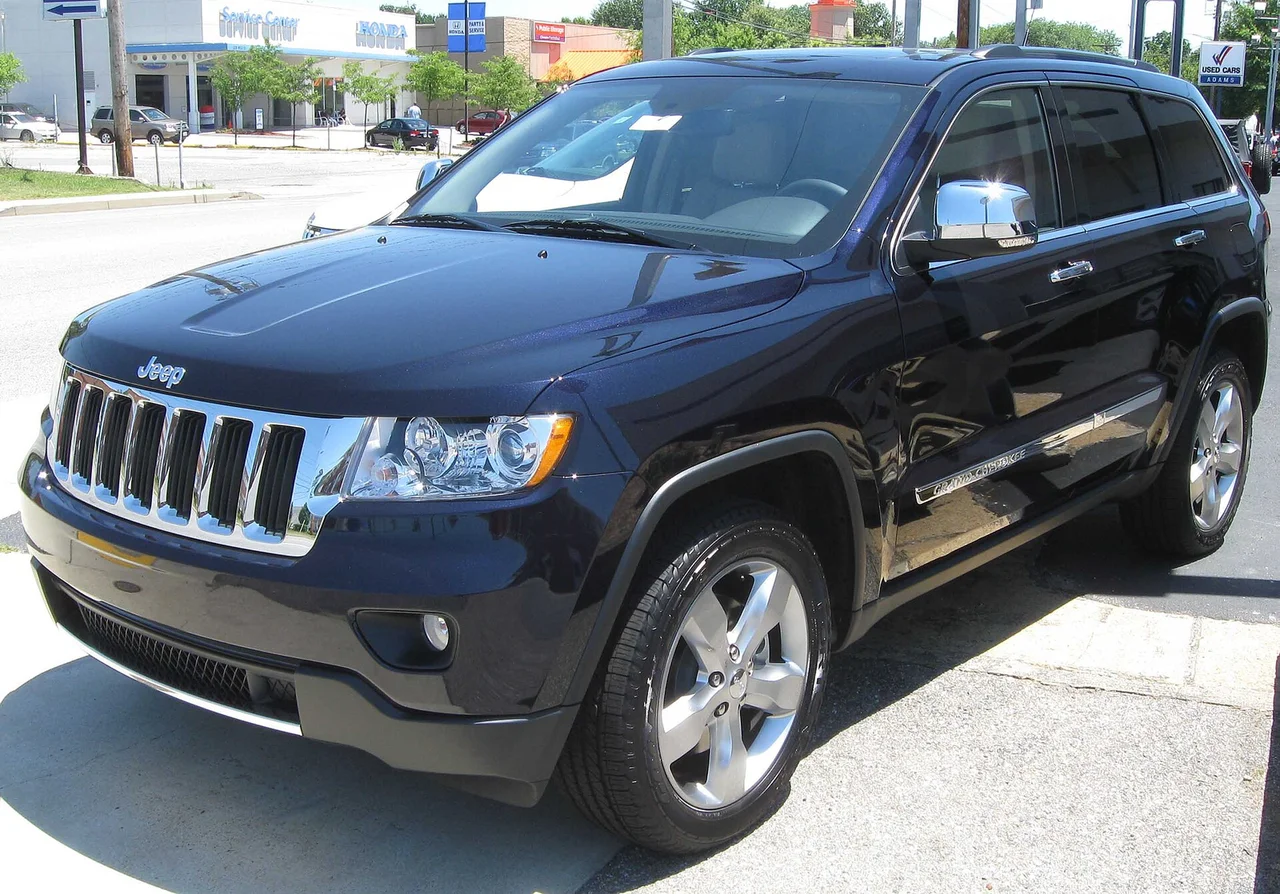
A Grand Cherokee with Quadra-Lift air suspension can sag at one corner, refuse to change height or run its compressor longer than usual. A failed valve block is one possible cause. This guide covers how to confirm the valve block is really the fault, how to match a replacement to your vehicle, which features matter, and which problems the part cannot fix.
Define the job the product must do
The valve block distributes air through the suspension. It receives pressurized air from the compressor and reservoir. Its solenoid valves then open and close to fill or vent each air spring, and they hold pressure in the springs while the vehicle is parked. Depending on the design, the block may also house a pressure sensor that reports system pressure to the suspension control module. If a solenoid sticks or an internal seal wears, a corner can slowly lose air, fail to rise, or change ride height unevenly.
Leaks elsewhere produce similar symptoms, so confirm the fault before you buy. Air springs, air lines and push-in fittings fail often. Read stored codes with a scan tool that can access the suspension module, and spray soapy water on springs, lines and fittings with the system pressurized. Note which corners drop and how fast. A single corner falling overnight points to that corner's spring, line or valve circuit. Several corners dropping together suggest a shared component.
Also consider your practical constraints. Do you plan to do the work yourself? Do you have access to a capable scan tool? Do you rely on the vehicle for towing or off-road use, where full height range matters? These answers decide whether a lower-cost part with more installation work makes sense, or whether a complete assembly installed by a shop is the better value.
Check compatibility
Start with the vehicle itself. Not every Grand Cherokee was built with air suspension, and coil-spring models have no valve block at all. Confirm factory equipment by VIN. Don't assume that a valve block from one generation or model year fits another. The most reliable reference is the part number printed on the existing block, which a dealer parts counter or a reputable seller can cross-check against your VIN. If the label is unreadable, use the VIN lookup alone rather than matching by photo.
Then compare the physical and electrical interfaces. These include the number of air line ports and their sizes, the fitting style, the electrical connector shape and pin count, and whether a pressure sensor is built in or mounted separately. The bracket and mounting points must match too, so the block sits where the original did without stressing lines or wiring. Some listings sell the valve block alone, while others bundle it with the compressor, dryer or bracket. Check exactly what is in the box before you compare prices.
Features that affect the choice
Replacements generally fall into three groups: genuine OEM parts, new aftermarket units and remanufactured or used units. An OEM part matches the factory part number and calibration expectations, but it usually costs the most. New aftermarket units can cost less, though build quality and documentation vary widely between brands. Remanufactured units are only as good as the rebuild. Ask whether the solenoids and seals were replaced or only cleaned and tested. A used unit carries the same wear history as the one you are removing.
Separate useful evidence from marketing labels. Terms like 'heavy duty', 'upgraded' and 'plug and play' tell you little unless the seller explains what changed. More useful signs are a clear OE part number cross-reference, a stated fitment list by model year and equipment, and photos of the actual connector and ports. Check whether new O-rings or fitting seals are included and whether a pressure sensor comes installed. Read the written warranty and return terms, especially for fitment errors. A long warranty only helps if the seller handles claims and accepts returns of a correctly diagnosed but incompatible part.
Limitations and ownership costs
A new valve block cannot repair a leaking air spring, a cracked line, a failing compressor, a faulty ride height sensor or damaged wiring. A long-term leak may also have overworked the compressor and saturated its dryer. If the compressor runs hot, runs slowly or trips its fuse, plan for that repair as well. Buying only the valve block in that situation often means a second repair soon after.
Installation has real hazards: • Depressurize the system using the procedure in the service information before you disconnect any line, because pressurized air and fittings can cause injury. • Use proper vehicle support on rated jack stands at the specified lift points. Never rely on the air springs to hold the vehicle up. • If the owner's manual describes a jack or service mode, enable it before lifting. • Use the factory fastener specification for bracket bolts and fittings. Don't guess torque values, and replace seals meant for single use. Afterward, leak-test every connection, clear codes and run any ride height calibration the scan tool calls for.
Budget beyond the part price. Possible extra costs include scan tool access or shop time for calibration, replacement fittings or line sections, and possibly a compressor or dryer. If the vehicle sat at an incorrect height or other suspension parts were replaced, confirm correct ride height first, then have a wheel alignment checked by a shop using the factory specifications. While the vehicle is supported, check joint play in the ball joints and control arm bushings, because worn parts there affect handling regardless of air system health. Over time, watch for longer compressor run time and repeat a leak check if any corner starts settling again.
Build a practical shortlist
Before ordering, confirm each of the following: • Codes and a leak test point to the valve block rather than a spring, line, sensor or compressor. • You have recorded the VIN and the part number from the existing block. • The port count, fitting style, connector, pressure sensor arrangement and mounting points match the original. • The listing includes an OE cross-reference, the seals you need and clear warranty and return terms. • You know how you will depressurize the system, support the vehicle and complete calibration. • You have compared the valve block alone against a complete assembly if the compressor is also suspect.
If a seller cannot confirm fitment against your VIN or part number, keep looking or have a parts counter verify it. If you can't safely depressurize the system or perform calibration, a shop install of a verified part usually costs less than reworking a mismatched or incorrectly installed one.