Jeep Cherokee Brake Booster Vacuum Hose: Choosing the Correct Part
A cracked or collapsed brake booster vacuum hose on a Jeep Cherokee can turn a normal stop into a hard-pedal push, and the leak can also upset idle quality. Replacing the hose is usually straightforward, but only if the part matches your model year, engine and booster connection. This guide explains how to confirm fitment, which features actually matter, where the hose's job ends, and how to compare candidates before buying.
Define the job the product must do
The brake booster vacuum hose carries vacuum from the engine to the power brake booster mounted on the firewall behind the master cylinder. The booster uses the difference between that vacuum and atmospheric pressure to multiply the force from your foot, so a healthy hose keeps the pedal light and predictable. The hose has to hold its shape under constant suction, tolerate under-hood heat and oil vapor from the intake, and seal tightly at both ends. Most systems also include a one-way check valve, either inside the hose assembly or at the booster grommet, that keeps a reserve of vacuum after the engine stops or when manifold vacuum drops under load.
Before shopping, confirm the hose is the likely culprit. Typical signs are a pedal that suddenly needs much more effort, a hissing sound near the booster or intake while the engine runs, assist that disappears quickly after shutdown, or a rough idle from the extra air leak. A soft or sinking pedal is a different problem that usually points to air in the brake fluid, a hydraulic leak, a caliper fault or the master cylinder. Worn brake pads and brake rotors more often show up as noise, pulsation or longer stops. If you lose power assist while driving, treat the vehicle as unsafe until it has been inspected.
Check compatibility by generation and engine
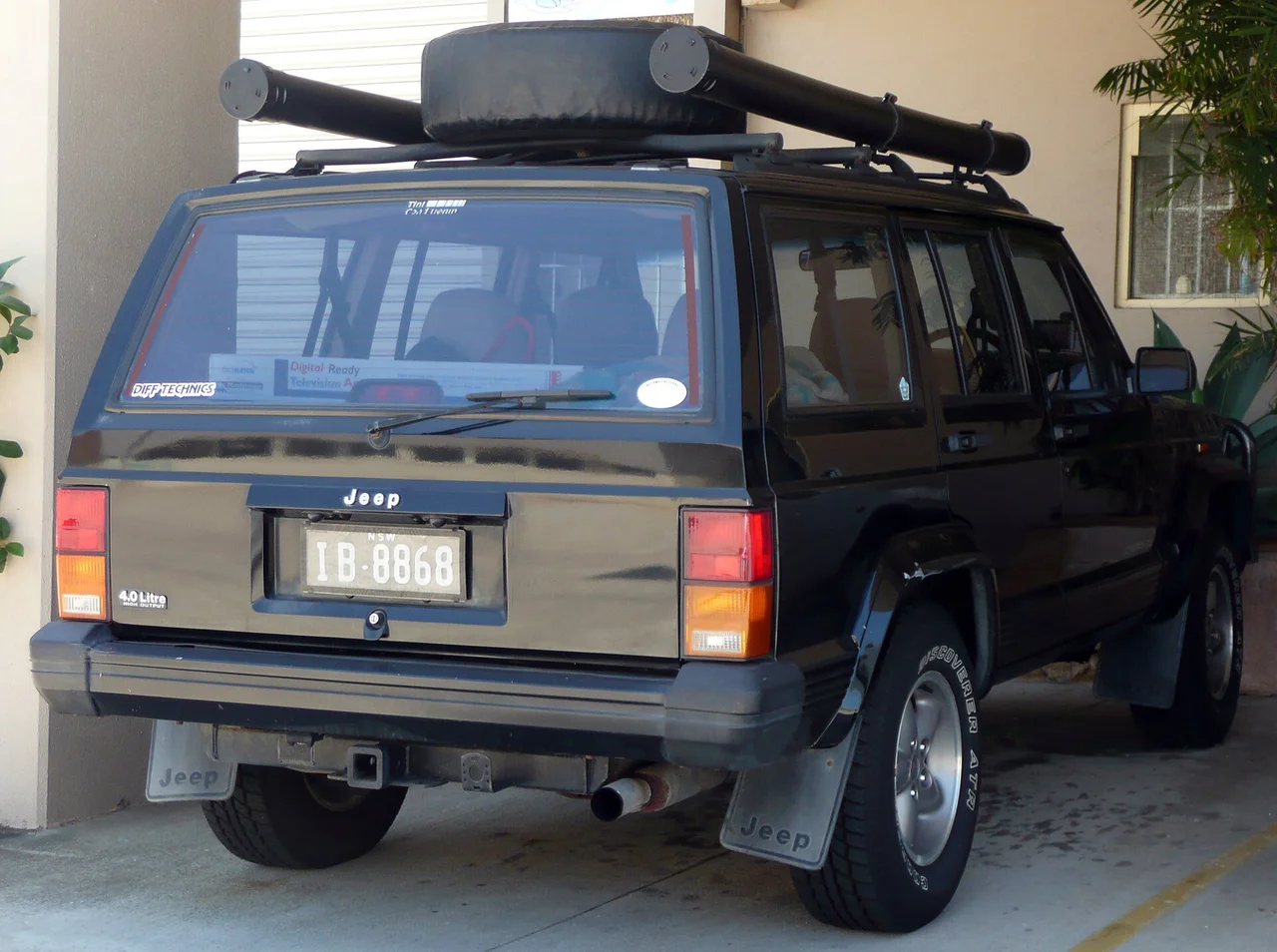
The Cherokee name covers very different vehicles. The XJ ran through 2001, the KL returned for 2014 through 2023, and in some markets the Liberty platform was sold as a Cherokee in between. The Grand Cherokee is a separate model with its own parts. Engine choice changes the vacuum source and routing as well: XJ owners may have a 2.5-liter four-cylinder or the 4.0-liter inline-six, while KL models came with a 2.4-liter four-cylinder, a 3.2-liter V6 or a 2.0-liter turbocharged four. Some engines, particularly turbocharged and diesel designs, may draw booster vacuum from a mechanical or electric vacuum pump rather than only from the intake manifold, which changes which hose you need. Start vehicle fitment with the model year, engine and, ideally, the VIN.
Then check the physical interfaces. Note how the hose attaches at the vacuum source, whether by a push-on nipple, a quick-connect coupler or a threaded fitting, and how it enters the booster, usually through a rubber grommet that may hold the check valve. Compare inside diameter, overall length, molded bends and any branch ports that feed other vacuum consumers. If the original part still carries a printed or stamped number, record it; it is often the fastest way to cross-reference a replacement. Service information for your exact vehicle remains the reference for routing and connection details.
Features that affect the choice
The biggest decision is a molded, application-specific assembly versus universal bulk hose. A molded hose follows the factory path, keeps clear of exhaust parts and moving components, and arrives with the correct ends and bends, so it is less likely to kink or rub. Bulk hose can work for simple straight runs, but it must be rated for vacuum service; ordinary fuel or heater hose may soften with heat or collapse under suction and reduce assist without an obvious leak. Also check whether the check valve is built in, sold separately or expected to be transferred from the old part.
Material and construction matter more than labels. Many late-model systems combine rigid nylon tubing with short rubber sections and plastic connectors, while older layouts rely mostly on rubber. Look for listings that state the material, the included valve, clips or grommet, and a photo whose connectors match yours. Terms such as heavy-duty, premium or universal fit are marketing descriptions, not proof of quality or fitment. An application listing tied to your year and engine, a clear part-number cross-reference and a usable return policy are the useful evidence.
Limitations and ownership costs
A new hose only restores the vacuum supply. It will not fix a torn booster diaphragm, a weak vacuum pump, a failing master cylinder, a sticking caliper, worn friction material or old brake fluid. Pads and rotors have wear limits listed in service information; a vacuum hose generally does not, so its condition is judged by inspection. Replace it when you find cracks, swelling from oil, soft or collapsed sections, hardened ends or brittle connectors.
Budget for small extras. Plastic fittings and booster grommets often become brittle with age and can break during removal, so having a new grommet, clips or check valve on hand avoids a second trip. After installation, run the engine and listen for leaks, confirm the pedal feels normal with the engine running, and check that assist remains for a few applications after shutdown. If the pedal is still hard or a lean-condition code persists, the booster or vacuum source needs diagnosis, and a brake shop is the right next step if you are not equipped to test it.
Build a practical shortlist
Narrow candidates with the same questions for each one. Does the listing match your generation, model year and engine, ideally confirmed by VIN or by the number on the old part? Do both ends use the same connection style as your vehicle? Is the check valve included, and is it oriented correctly? Do the length and molded shape match the original routing? Is the material described as suitable for brake booster vacuum and engine-bay heat? Are clips or a grommet included, or will you need them separately? Is there a return option if the connector turns out to be wrong?
Compare listings only on what they actually state, and treat missing information as a reason for caution rather than a pass. Keep the old hose until the new one is in hand so you can lay them side by side and check ends, bends and diameter before installing. If two options look identical, the one with a clear application listing and complete hardware is usually the safer choice. When the details still do not line up, a parts counter that can look up your VIN will settle the question faster than guessing.