Jeep Brake Fluid: Wrangler Specifications and Change Guidance
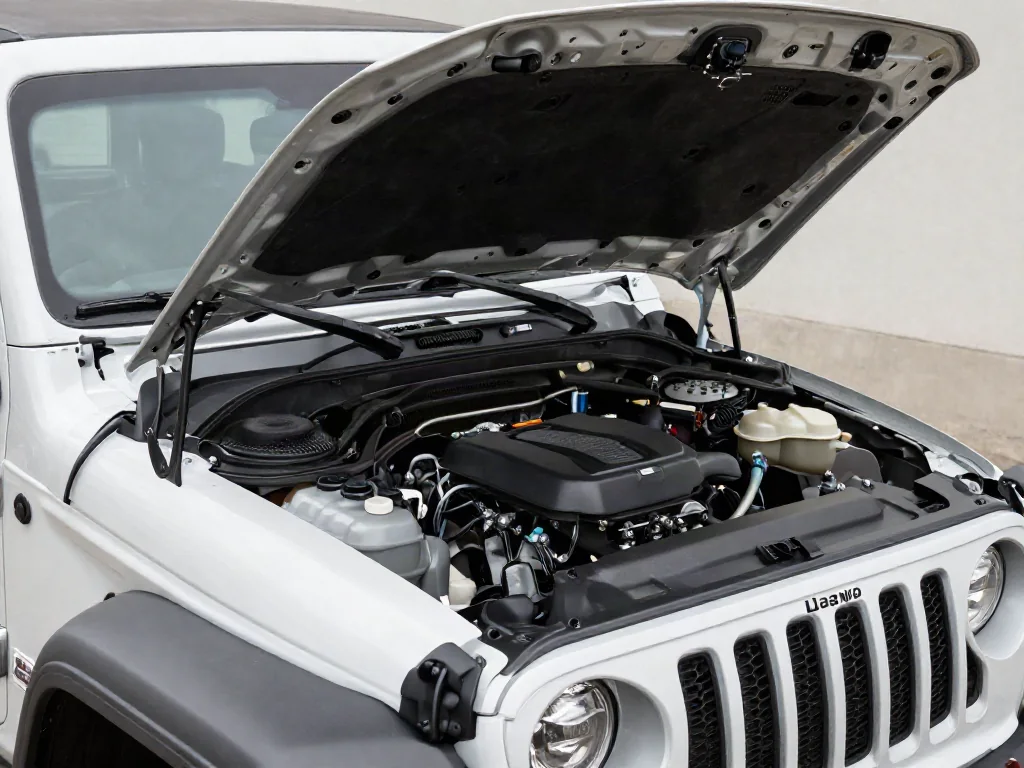
Choosing brake fluid for a Jeep Wrangler starts with the vehicle's own specification, not a shared Jeep formula. Wrangler years and equipment can differ, so the owner's manual and reservoir cap remain the first references. This guidance covers how to confirm the required DOT designation, check the brake fluid reservoir without opening the system, recognize warning signs, and plan brake fluid replacement without assuming one product fits every Jeep.
Identify the Brake Fluid Specified for Your Wrangler
The correct brake fluid for Jeep Wrangler use depends on the model year, equipment, and the documentation that belongs to that vehicle. A neighbor's Wrangler, a prior owner's leftover bottle, or a general Jeep listing is not enough to identify the requirement. Read the brake fluid specification in the owner's manual first, then compare it with the marking on the reservoir cap. Those two sources describe what that Wrangler was built to use. If they disagree or the vehicle has been modified, stop and seek confirmation rather than guessing.
Match that documented specification to a sealed container's label before buying or adding anything. The container should state a DOT designation that satisfies the Wrangler's stated requirement; similar-looking bottles are not interchangeable by appearance. Do not assume every Wrangler uses the same Jeep Wrangler brake fluid, because production changes and service history can alter what is appropriate. When the cap, the owner's manual, or the vehicle's history leaves the requirement uncertain, a qualified service provider should clarify the specification against that VIN and the current system condition.
Confirm the Requirement for Other Jeep Models
Owners looking up Jeep brake fluid for a Cherokee, Grand Cherokee, Gladiator, or another nameplate should still start with that vehicle's model, model year, and applicable owner's manual. Jeep brake fluid requirements are assigned per vehicle, not per brand badge. A Wrangler specification should not be extended to another Jeep without checking that model's documentation, even when the reservoir looks similar. Locate the fluids section in the manual that matches the VIN year, and treat aftermarket or incomplete paperwork as a reason to verify rather than as a substitute.
A DOT designation on a bottle must satisfy the vehicle's stated requirement. A higher-numbered or differently labeled designation is not an automatic upgrade, and mixing or substituting without confirmation can leave the hydraulic system outside the intended spec. Brand choice does not replace that check; a premium label still has to match the documented fluid. If the Jeep's manual, cap marking, and service history do not agree, ask a qualified technician to identify the required specification before any fluid is added or changed.
Read the Reservoir Level Without Opening the System
Check the brake fluid reservoir with the Jeep parked on level ground and the engine off, using the visible markings on the translucent reservoir and the guidance in the owner's manual. Do not open the cap for a routine glance; the system is designed to be read closed so moisture and dirt stay out. Note the MIN and MAX range from outside the reservoir. Have the manual at hand because some Wrangler layouts place the reservoir where lighting and viewing angle matter, and a tilted vehicle can make a normal fill look low.
Fluid level can drop as brake pads wear because caliper pistons extend and occupy more hydraulic volume. A leak at a hose, caliper, wheel cylinder, or master cylinder can also lower the reading, so a low mark alone does not establish the cause or justify routine topping off. Adding fluid without finding why it dropped can hide a developing leak. Appearance has similar limits: color cannot establish moisture contamination or whether the fluid remains serviceable, because glycol-based fluid can absorb water without a dramatic color change.
Recognize Brake Symptoms That Need Immediate Attention
A soft or sinking pedal, longer stopping distance, wet spots near wheels or along brake lines, and a brake warning light are reasons for prompt assessment, not for waiting until the next oil change. These clues can appear together or separately. A warning lamp may reflect a low reservoir, a parking-brake switch, a sensor fault, or another circuit issue; it is evidence to interpret, not proof that the fluid itself has failed. Have the Jeep inspected soon whenever braking feel changes or fluid is visible outside the system.
Those symptoms have several possible causes, including air in the hydraulics, worn friction material, a leaking seal, booster trouble, or contaminated fluid, so they cannot identify a fluid problem by themselves. Do not keep driving when braking feels impaired or a fluid leak is suspected; arrange professional assistance and a safe stop. Adding fluid does not seal a leak, restore a compromised circuit, or confirm that the braking system is safe. The vehicle should be evaluated before any top-off is treated as a repair.
Determine When Brake Fluid Replacement Is Due
Use the maintenance schedule that applies to that Wrangler or other Jeep, rather than a universal interval claimed for all models. The owner's manual and any brand service literature tied to the VIN year establish replacement guidance. If the schedule lists time, mileage, or inspection-based service, follow that document. Do not invent a single Jeep interval from forum advice or from another model's booklet. When the printed schedule is missing, a dealer or independent shop with access to the correct service information can retrieve it.
Glycol-based brake fluid absorbs moisture from the air over time. That moisture contamination can lower boiling performance during hard or repeated stops and can contribute to internal corrosion in lines, calipers, and the master cylinder. Service records and a professional fluid assessment, including a moisture or boiling-point check when the shop uses that method, help when maintenance history is unknown. Pedal feel and fluid color cannot independently confirm whether replacement is due; a firm pedal and a still-amber appearance do not prove the fluid remains within intended condition.
Arrange Fluid Service and Avoid Contamination
When arranging brake fluid replacement, confirm that the shop will use the documented fluid specification and the service procedure that applies to that Jeep, including any model-year notes. Topping off and replacing fluid serve different purposes. A top-off restores level after a verified, expected change such as pad wear that has already been inspected; a replacement exchanges aged fluid throughout the hydraulic circuit. Neither action substitutes for diagnosing abnormal fluid loss. Ask the shop to inspect for leaks and wear before treating a low reservoir as a simple fill.
Do not introduce an unverified fluid, reuse drained fluid, or treat an old opened container as assuredly suitable; glycol fluid left open can pick up moisture and debris. Bleeding sequences, ABS module service, and pressure-bleed equipment stay outside this guidance because they require vehicle-specific steps and tools. Trained technicians should handle those procedures when air must be purged, an ABS hydraulic unit is involved, or the system has been opened. Owners can still prepare by bringing the owner's manual, service records, and a clear description of any pedal, leak, or warning-light concerns.