Jeep 4xe and Chrysler Pacifica Hybrid Regenerative Braking Explained
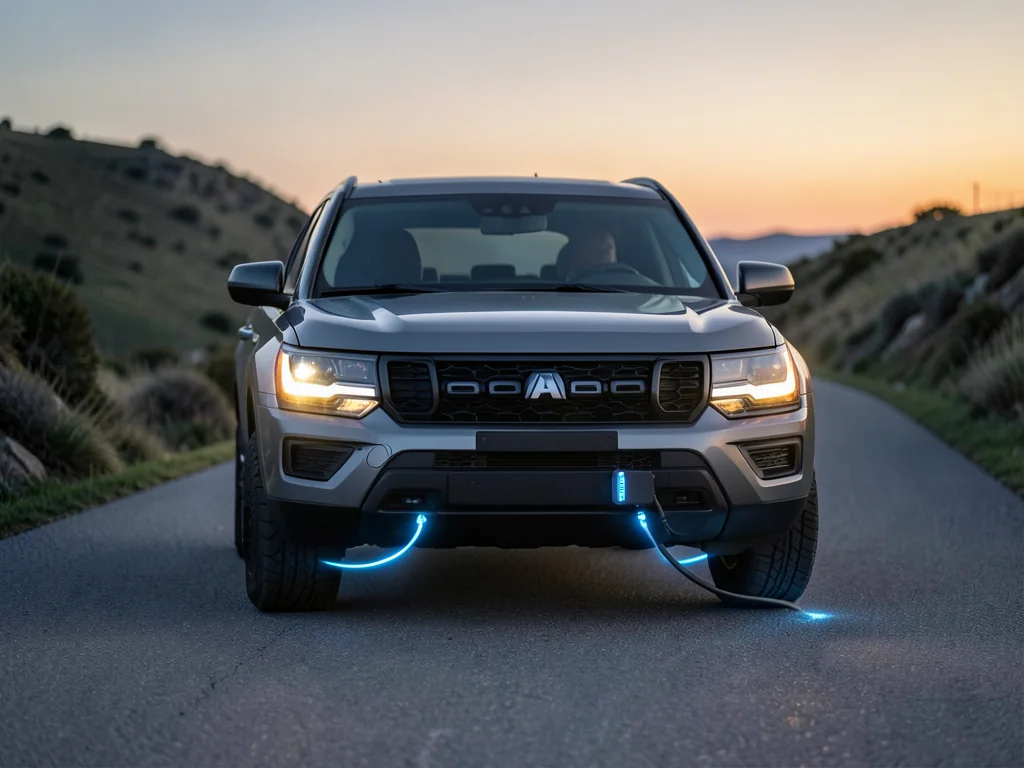
If you drive a Jeep 4xe or Chrysler Pacifica Hybrid, regenerative braking changes how the vehicle slows and how much charge returns to the high-voltage battery. Understanding Max Regen, lift-off deceleration, and brake blending helps you drive smoothly and avoid surprises. This guide explains how the systems work, how to adjust settings, and when regen may behave differently on Wrangler, Grand Cherokee, and Pacifica plug-in hybrids.
How Regenerative Braking Works on Jeep 4xe Plug-In Hybrids
When you lift off the accelerator or press the brake pedal in a Jeep 4xe, the electric motor reverses its role and acts as a generator. The spinning wheels turn the motor, which pushes current back into the high-voltage battery. This resistance creates a natural slowing force, recovering energy that would otherwise become heat in the friction brakes. The amount of regenerative braking depends on driver input and the vehicle's current settings, but the core process remains the same in all situations.
The brake system continuously blends regenerative braking with conventional friction brakes to keep pedal feel consistent. As you press the pedal, the vehicle first requests more motor-based slowing, then adds hydraulic pressure only when needed for stronger deceleration or to hold the vehicle stationary. Lifting off the accelerator also creates regen without touching the brake pedal, though the strength varies by mode. Drivers can watch power flow arrows on the cluster or infotainment screen to see when energy is returning to the battery, and the owner's manual will show the exact display for each model year. Regen helps maintain charge but cannot replace plugging in.
Using Max Regen on the Jeep Wrangler 4xe
Max Regen is a selectable feature on the Wrangler 4xe that increases lift-off deceleration, enabling a stronger one-pedal driving feel. When active, releasing the accelerator causes the electric motor to resist more firmly, slowing the vehicle noticeably without touching the brake pedal. It does not bring the vehicle to a complete stop in most conditions, so drivers must still use the brake pedal to come to a full halt or during emergencies. The owner's manual will state whether any automatic low-speed stopping occurs on a given model year.
Drivers typically toggle Max Regen using a dash-mounted button, often near the shifter or on the center console, and an indicator confirms when it is active. The setting may or may not remain on after a restart, depending on the vehicle's configuration, so it is best to check the owner's manual. Stronger regen is useful in stop-and-go traffic or on long downhill stretches, where it reduces brake wear and returns more energy to the battery. The vehicle's brake lights are expected to illuminate during strong deceleration, though exact thresholds are not specified. Always use the brake pedal for stopping and emergencies.
Regenerative Braking in the Jeep Grand Cherokee 4xe
The Grand Cherokee 4xe follows the same plug-in hybrid principle of using the electric motor for regenerative braking, but its controls and calibration may differ from the Wrangler. The Max Regen function is available through a button or menu, depending on the model year, and the owner's manual will describe the exact location and indicator. Drivers should not assume the Wrangler's setup carries over directly, but the basic behavior of stronger lift-off deceleration is shared.
Regen strength can feel different across the E Selec modes: Hybrid, Electric, and eSave. These modes influence how the vehicle manages battery charge and motor use, which in turn affects the baseline regen. For example, eSave may prioritize holding charge and could reduce lift-off regen in some conditions, but exact values are not published. Drivers can watch the instrument cluster to see when the motor is generating power versus when friction brakes take over, giving a clear sense of how the system is responding at that moment.
How Regenerative Braking Works on the Chrysler Pacifica Hybrid
The Chrysler Pacifica Hybrid also recovers energy through both coasting and brake-pedal regen, with the system blending in friction braking as needed. When the driver eases off the accelerator, the electric motor provides a mild deceleration that charges the battery. Pressing the brake pedal increases regen first, then adds hydraulic braking for stronger stops. This seamless blending is designed to feel natural, though the minivan's tuning may be smoother than the Jeep models.
Unlike the Jeep 4xe vehicles, the Pacifica Hybrid does not have a dedicated Max Regen button in most configurations. Drivers should check the owner's manual for any regen settings, as some model years may offer a mode through the infotainment system. Energy flow can be seen on the instrument panel or center display, showing when power returns to the battery. Driving with smooth, early braking in everyday minivan use allows regen to do more of the work, extending brake pad life and recapturing energy without any special settings.
Can You Turn Off Regenerative Braking on a Jeep 4xe?
Turning off Max Regen is not the same as turning off regenerative braking altogether. Regenerative braking is normally integrated into the brake system and cannot be fully disabled by the driver. Max Regen is an optional setting that increases lift-off deceleration; switching it off simply returns the vehicle to a milder coasting feel closer to a conventional car. The brake pedal still blends regen and friction automatically.
Attempting to disable regen by disconnecting components, changing software, or using unofficial workarounds is unsafe. The high-voltage system and brake controls are tightly integrated, and altering them can affect stopping performance and trigger warning lights. If a driver dislikes the regen feel, the best approach is to try the available settings, such as turning off Max Regen or choosing a different E Selec mode, and then ask an authorized dealer to confirm what can be adjusted on that specific vehicle.
When Regen Feels Weaker: Full Battery, Cold Weather and Off-Road Use
Regen may feel weaker when the high-voltage battery is nearly full or very cold, because the system limits charging current to protect the battery. This is common plug-in hybrid behavior and should be confirmed in the owner's manual. A full battery has nowhere to store more energy, so lift-off deceleration becomes milder and the friction brakes take over more of the stopping work. Cold temperatures also reduce battery capacity and regen strength until the pack warms up.
Because these conditions change between trips, drivers may notice the vehicle slows differently than expected. Off-road driving and 4WD Low can also alter regen behavior, and hill descent features may use braking systems differently. Drivers should follow the owner's manual for off-road guidelines and not assume regen will behave the same in all situations. Whenever the vehicle slows less than expected, allow extra following distance and use the brake pedal to control speed safely.
Warning Signs That Need Professional Brake or Hybrid System Checks
If you see warning lights or messages related to the brake or hybrid system, note them without trying to interpret them yourself. Unusual pedal feel, grinding noises, or the vehicle pulling to one side are also signals that something needs attention. A change in regen strength on its own could be normal, such as a full battery or cold weather, so it is not a reliable indicator of a fault from the driver's seat.
High-voltage and brake system diagnosis should always be done by qualified technicians with the proper tools and training. Owners should not attempt their own repairs or disconnect components, as this poses serious safety risks. An authorized dealer can also check for software updates or service campaigns that may affect regen behavior. The best course is to schedule a professional inspection and describe the exact conditions when the concern occurs.