Jeep 4.0 Timing Chain Wear, Symptoms, and Replacement
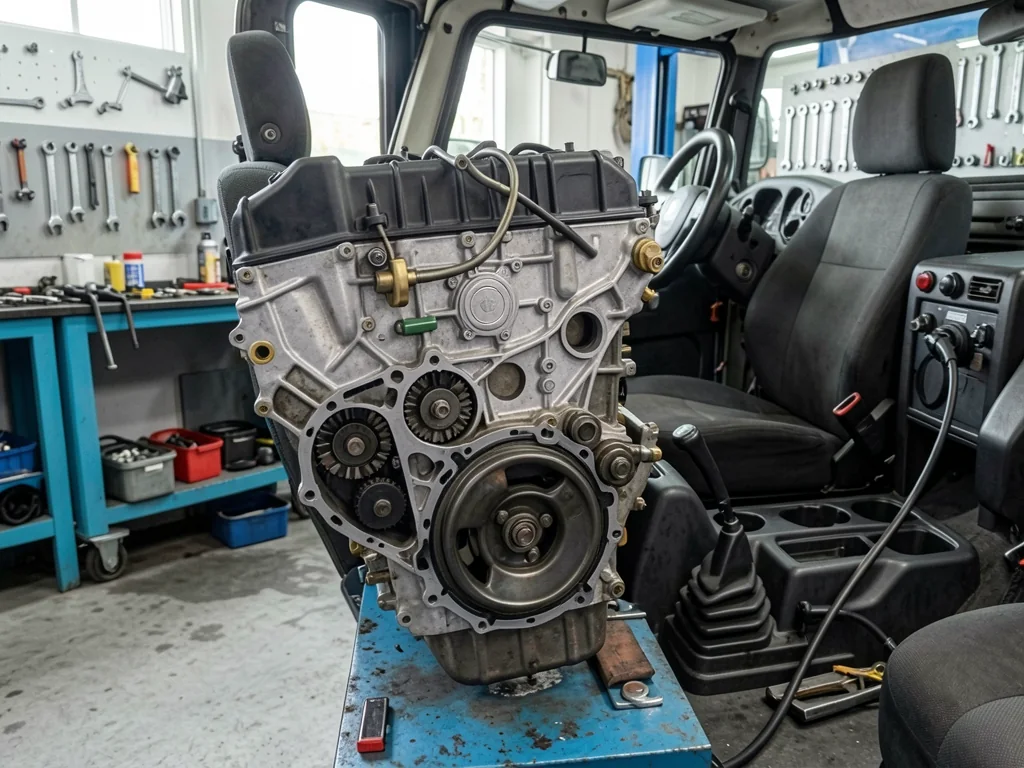
The Jeep 4.0 inline-six is known for durability, but its timing chain is not immune to wear. Over time, chain stretch and sprocket wear can alter camshaft timing, causing rough running, hard starts, or rattling from the front of the engine. Because many symptoms overlap with other faults, a methodical diagnosis is essential before replacement. This guide explains how the timing chain works, which signs justify investigation, and what to expect from professional inspection and repair.
What the Timing Chain Does in the Jeep 4.0
The timing chain synchronizes the crankshaft and camshaft by transferring rotation through a set of sprockets. In the Jeep 4.0, this connection is critical because the camshaft must open and close the valves at precise moments relative to piston position. If the chain stretches or the sprockets wear, that relationship shifts, and the engine may lose power, idle poorly, or struggle to start. The chain rides behind a timing cover, which also seals the front of the engine and retains oil.
Mileage alone cannot prove that a timing chain needs replacement. Some Jeep 4.0 engines run well past high-mileage thresholds without chain trouble, while others develop wear earlier due to oil quality, maintenance habits, or manufacturing differences. The chain and sprockets should be inspected directly when symptoms appear. Replacement is a significant job, so a measured approach prevents unnecessary work and expense.
Symptoms That Warrant Timing Chain Diagnosis
A rattling sound from the front of the engine, especially on a cold start, is a common reason to investigate the timing chain. Difficult starting, a rough idle, or reduced performance can accompany timing wear, but these symptoms are not proof by themselves. The ignition system, fuel delivery, or a failing sensor can produce similar behavior. Treat a new engine rattle as a signal to gather more evidence, not an immediate call for a timing set.
An oil leak near the timing cover does not confirm a worn chain. The cover gasket or front crankshaft seal can fail independently while the chain remains serviceable. However, any severe new mechanical noise, sudden stalling, or an oil-pressure warning requires stopping the vehicle safely and arranging professional assessment. Continuing to run the engine under those conditions risks damage far beyond the timing system.
Safe Observations to Record Before a Shop Visit
Before visiting a shop, note whether symptoms appear during cold starts, after the engine warms up, or only during ordinary driving. Do not deliberately try to reproduce severe noises or load the engine to force a failure. A simple written record of when the rattle occurs, how long it lasts, and whether it changes with engine speed helps a technician narrow the diagnosis. Also check the oil level using the owner’s manual procedure with the vehicle parked on level ground and the engine off.
Document any visible leaks or warning lights from a safe distance, never reaching near belts, fans, or hot components. Gather maintenance history, including oil change intervals and any recent engine work. If symptoms began shortly after a repair, that timing is valuable information. A sudden change following service may point to disturbed components rather than gradual chain wear, and the shop can use that detail to guide inspection.
How a Shop Confirms Whether Replacement Is Needed
A shop must first confirm the specific model year and engine identity before choosing tests or interpreting findings. The Jeep 4.0 was used across different vehicles and production years, and service information varies with application. A technician should also investigate other plausible sources of noise and drivability problems—such as the accessory belt, pulleys, or valvetrain—before attributing symptoms to the timing chain. Jumping to a conclusion risks replacing good parts.
Professional inspection of the chain typically involves measuring slack and examining sprocket teeth for wear, often through a port or by removing the timing cover when justified. Checking mechanical timing against application-specific reference marks verifies whether the cam and crank remain in correct phase. Diagnostic trouble codes and symptom descriptions can guide testing, but neither independently proves that a timing chain needs replacement. The final call depends on direct observation and measured limits.
What to Include in a Timing Chain Replacement Estimate
Replacing the timing chain requires access behind the timing cover, which involves draining coolant, removing accessories, and carefully resealing the cover afterward. The shop must restore mechanical timing and replace any disturbed seals. Ask for a breakdown that identifies the proposed chain and sprocket parts and confirms fitment for your specific vehicle. Not all timing sets are identical across every Jeep 4.0 application, so proper part numbers matter.
A thorough estimate should account for labor to reach the chain, the timing set contents, replacement seals, fluids, and any discovered damage such as a worn guide or scored sealing surface. Additional work should be based on condition and be approved before proceeding. Request an itemized scope that includes the findings supporting replacement. If the shop recommends extra parts during the job, ask why they are needed and get approval in writing before the work continues.
Checks After the Timing Chain Work Is Complete
After the repair, the shop should verify that the engine starts cleanly, idles smoothly, and shows no abnormal noise or leaks. The original complaint must be reassessed: if a rattle or starting problem remains, that should be documented rather than dismissed. Replacing the timing chain may improve timing-related symptoms, but it will not fix a separate fault such as a failing sensor or a worn injector.
Pay attention during the first drives after pickup. If a new leak appears, the rattle returns, or a warning light illuminates, follow up promptly. Some very minor oil seepage can occur as seals settle, but a drip or persistent noise deserves a check. Retain the repair record, including the parts used and the diagnosis. That paperwork supports warranty claims and helps any future technician understand what was already addressed.