Japanese Used Cars in Lahore: What to Check Before You Buy
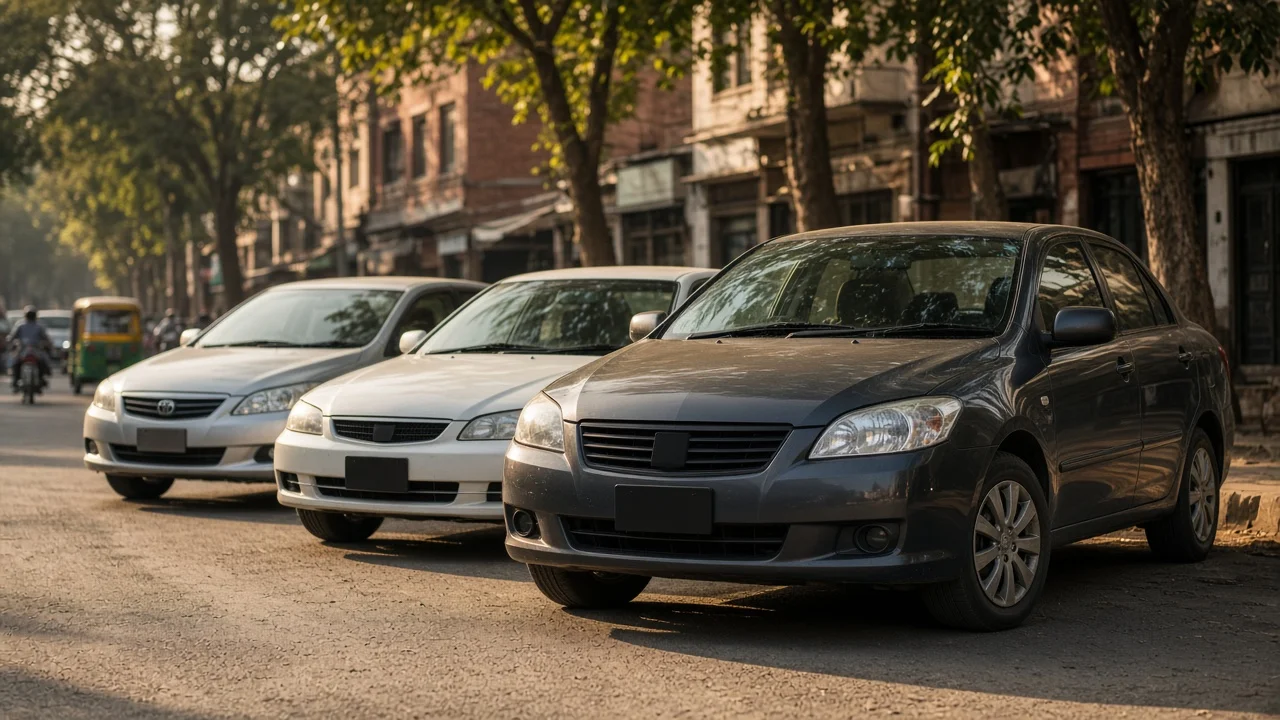
Lahore has one of Pakistan's largest markets for Japanese used cars, so you will have plenty of choice. The harder part is telling a well-kept car from one with hidden damage, weak paperwork or high real mileage. Before you agree on a price, check four things: the documents and registration trail, the true mileage, the physical and mechanical condition, and whether the car is a locally assembled model or an imported one. That last point changes how you verify history, how easily you can find parts and how the car will hold its value.
The Short Answer
A Japanese used car is a sound buy in Lahore when its paperwork matches the vehicle, its mileage fits its age and wear, an independent inspection finds no structural or major mechanical problems, and its price lines up with comparable cars of the same model year, trim and powertrain. If any of these fails, especially the paperwork or structural condition, walk away. A low price will not make up for it.
Locally Assembled vs Imported Japanese Cars
Japanese used cars in Lahore usually fall into two groups. Locally assembled cars were built in Pakistan by the local operations of Japanese brands. Imported cars, often sold as reconditioned, were first sold and used in Japan and later shipped to Pakistan. The two groups need different checks.
Aspect | Locally assembled | Imported (reconditioned); History source | Local registration record, previous owners, service records | Japanese auction sheet and export documents, then local registration from first import; Parts availability | Usually wide, through dealer networks and the general parts market | Varies by model; some parts may have to be sourced from imported or used stock; Mechanic familiarity | Widely familiar to local workshops | Common models are well known; less common models and hybrids may need specialists; Specification | Built for local conditions and fuel | May carry features and trims not offered locally; specs follow the Japanese market version; Key risk | Accident repairs and mileage rollback during local ownership | Tampered auction sheets, mismatched import papers, mileage altered before or after import
Neither group is better across the board. A locally assembled car is often simpler to maintain and resell. An imported car may give you more equipment, a hybrid powertrain or a body style you cannot buy locally, but only when its history can be checked.
Documents and Vehicle History
Paperwork is the first filter. If the documents are incomplete or do not match the car, nothing else about the car matters.
Registration book or smart card: check that the owner's name, registration number, chassis number, engine number, model year and color match the car in front of you. Chassis and engine numbers: find them on the vehicle itself and compare them with the documents. Look for signs of grinding, re-stamping or replaced plates. Ownership chain: ask how many owners the car has had and whether the original file, including transfer letters and earlier registration papers, is complete. Official verification: confirm the registration details with the Excise and Taxation Department records before you pay, and make sure tax payments are up to date. Import documents (imported cars): the bill of lading, customs clearance papers and the Japanese export or deregistration certificate should all show the same chassis number. Service records: receipts or a service book help confirm both mileage and maintenance habits, even when they are not complete.
Reading and Verifying an Auction Sheet
Most imported Japanese cars passed through an auction in Japan before export. The auction sheet records what inspectors found at that time. It usually includes an overall grade, an interior grade, the recorded mileage, the equipment fitted, and a body diagram that marks scratches, dents, repaired panels, rust and replaced parts with letter and number codes.
Get the sheet for the exact chassis number and verify it through an independent verification service. Do not rely on a printout the seller supplies. Compare the mileage on the sheet with the odometer. The odometer should show more, not less, and the gap should fit the time the car has spent in Pakistan. Match the damage diagram to the car. Panels marked as repaired or replaced should show it, and unmarked panels should not show repaint or filler. Be careful with sheets that look perfect on an older, cheaper car. Altered and fabricated sheets are a known problem. Remember that the sheet only describes the car at auction. It says nothing about damage or neglect that happened after import.
Mileage: Look Beyond the Odometer
Mileage rollback is a real risk for both local and imported cars. Treat the odometer reading as a claim that needs supporting evidence, not as proof.
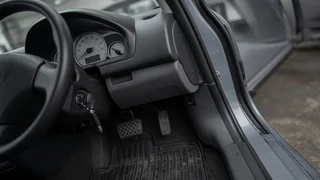
Wear that does not fit the reading: a worn steering wheel, gear knob, pedal rubbers or driver's seat bolster on a car showing low mileage. Gaps or conflicts in service records, oil-change stickers or auction sheet figures. Owner patterns: a car used for daily commuting or ride-hailing will usually have covered far more distance than a weekend car of the same age. Mileage stored in other modules: some workshops can read figures logged in electronic modules and compare them with the dashboard.
Moderately higher mileage with full maintenance records is often a better buy than suspiciously low mileage you cannot verify.
Condition and Inspection
Arrange an independent inspection by a mechanic or inspection service you choose, not one the seller recommends. Do it before you pay any deposit. Your own walk-around can catch obvious problems, but a lift and diagnostic equipment show far more.
Body and Structure
Uneven panel gaps, overspray on rubber seals, or paint shade differences between panels. Repaint or filler: a paint thickness gauge shows which panels have been redone. Structural members such as pillars, chassis rails, the radiator support and the boot floor. Repairs here point to a serious accident and affect both safety and resale value. Rust underneath, around the wheel arches and on suspension mounts. Signs of flood exposure: silt or water marks under the carpets, corroded wiring connectors, or a musty smell. Lahore's monsoon flooding makes this worth checking.
Mechanical and Electrical
Cold start behavior, idle smoothness, unusual noises, and smoke from the exhaust. Oil and coolant leaks, the condition of the fluids, and any sign of coolant in the oil or oil in the coolant. Transmission behavior: smooth shifts in automatics and CVTs, and clutch engagement in manuals. Suspension and steering: knocks over uneven roads, pulling to one side, and uneven tire wear. Air conditioning performance. In Lahore's summer heat a weak system is a significant repair. A diagnostic scan for stored fault codes, including warning lights that may have been disconnected or cleared.
Hybrids
Imported Japanese hybrids are common in Lahore. On these cars the condition of the hybrid battery and inverter matters as much as the engine. Ask a hybrid-capable workshop to check battery health and the hybrid system for fault codes. Battery replacement or reconditioning is one of the largest costs a hybrid owner can face, so factor that risk into the price on older cars.
Trim Level and Specification
The same model name can cover very different cars depending on model year, market, trim level and powertrain. Imported cars follow Japanese-market specifications, which can differ from locally assembled versions in engine, transmission, safety equipment and features. Confirm the exact trim through the auction sheet, the chassis code or the equipment actually fitted, rather than relying on badges, which are easy to swap. This matters for value and for buying parts later, because some components only fit specific trims or production years.
Pricing Against Comparable Vehicles
To judge a fair price, compare the car only with listings that share the same model, model year, trim, powertrain and assembly type (local or imported). For imported cars, also match the import year and the registration year, because buyers in Pakistan often value these separately. Then adjust for verified mileage, inspection findings, documentation quality and the number of previous owners. A price far below comparable vehicles usually points to a problem in one of these areas.
Ownership Costs to Factor In
Transfer and registration costs, including any outstanding taxes the seller has not paid. Annual token tax and insurance, both of which depend on the vehicle and its engine size. Repairs flagged by the inspection, such as tires, brakes, suspension parts or air conditioning. Parts sourcing: locally assembled models usually have cheaper and more widely available parts, while less common imported models can cost more and take longer to repair. Fuel use, which depends on the powertrain. Hybrids can save fuel but bring the battery risk described above. Resale value: popular models with clean documents and a verifiable history tend to sell more easily later.
A Practical Buying Sequence
Shortlist models that fit your budget, driving pattern and parts-availability needs. Ask the seller for the chassis number, registration details and, for imported cars, the auction sheet before you view the car. Verify the registration and auction records independently. Inspect the car in daylight and test-drive it on mixed roads, starting from cold. Arrange an independent mechanical and body inspection. Compare the price with comparable vehicles and negotiate based on any faults found. Complete the ownership transfer through the proper official process, and pay through a traceable method only after the documents have been checked.
Buying a Japanese used car in Lahore goes well when you treat the paperwork and the inspection as non-negotiable. A car that passes both and is priced in line with comparable vehicles is worth pursuing. If a seller resists either step, find another car.