Japanese Car Brands: The Complete List, the Big Three and How They Differ
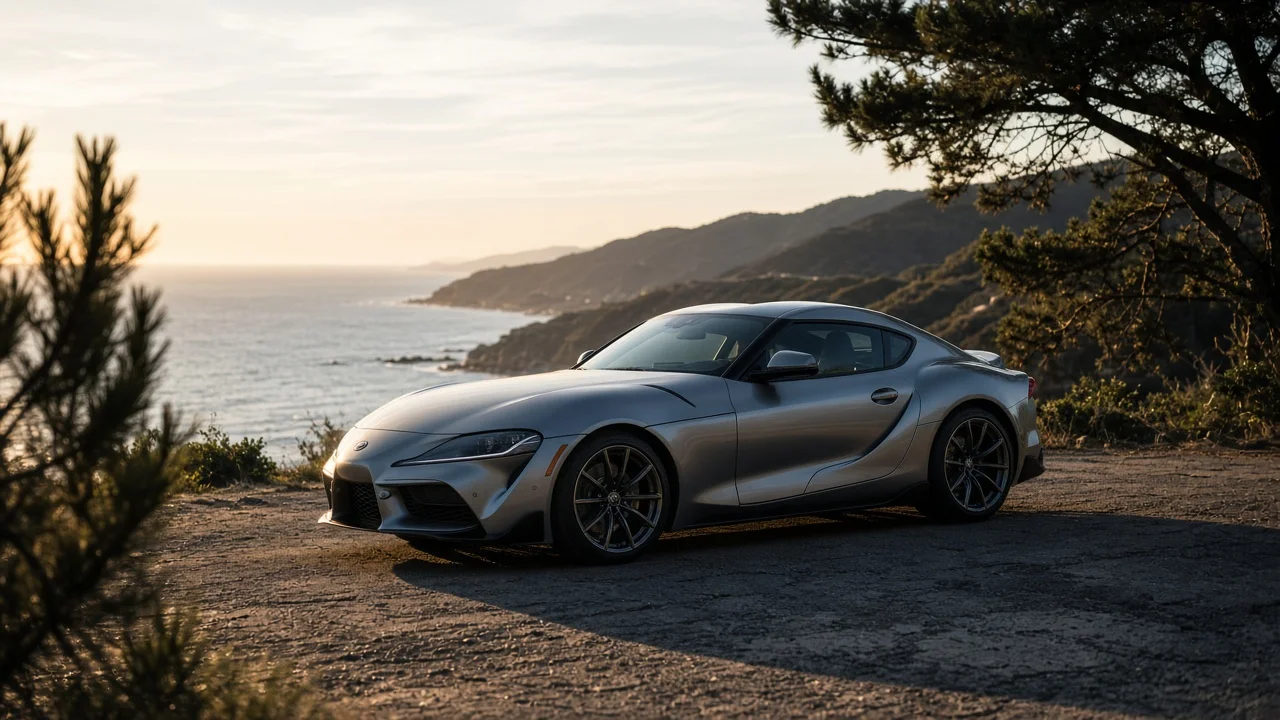
Japan produces a small number of car brands, but they cover nearly every type of vehicle sold in the US, from compact sedans and hybrids to luxury SUVs and commercial trucks. This guide lists the Japanese car brands, explains which corporate groups own them, shows which ones you can buy new in the US, and covers what separates them. It also explains why a car from a Japanese brand is not always built in Japan.
The short answer: all Japanese car brands
The major Japanese passenger car brands are Toyota, Lexus, Honda, Acura, Nissan, Infiniti, Mazda, Subaru, Mitsubishi, Suzuki and Daihatsu. Isuzu is also Japanese, but in the US it is known mainly for commercial trucks. Lexus, Acura and Infiniti are luxury divisions of Toyota, Honda and Nissan.
Two qualifications change the answer depending on what you need. First, not every Japanese brand sells new cars in the US. Suzuki and Daihatsu are major brands in Japan and other markets but do not sell new passenger cars in the US. Second, the brand's nationality does not tell you where a car was assembled. Many Japanese-brand vehicles sold in the US are built in North America.
Japanese car brands at a glance
Brand | Parent company or group | Positioning | New passenger vehicles sold in the US; Toyota | Toyota Motor Corporation | Mainstream, broad lineup, strong hybrid focus | Yes; Lexus | Toyota Motor Corporation | Luxury | Yes; Honda | Honda Motor Co. | Mainstream, cars, SUVs and minivans | Yes; Acura | Honda Motor Co. | Premium and luxury, sport-oriented | Yes; Nissan | Nissan Motor Co. | Mainstream, cars, trucks and SUVs | Yes; Infiniti | Nissan Motor Co. | Luxury | Yes; Mazda | Mazda Motor Corporation | Mainstream with a near-premium, driver-focused image | Yes; Subaru | Subaru Corporation | All-wheel-drive focus, outdoor and practical image | Yes; Mitsubishi | Mitsubishi Motors (allied with Nissan and Renault) | Affordable crossovers and small cars | Yes; Suzuki | Suzuki Motor Corporation | Small cars, kei cars, motorcycles | No (motorcycles and marine engines only); Daihatsu | Toyota Motor Corporation (subsidiary) | Kei cars and small vehicles | No; Isuzu | Isuzu Motors | Commercial trucks, diesel engines, pickups in some markets | Commercial trucks only
The Big Three Japanese car makers
When people refer to the big 3 Japanese car makers, they usually mean Toyota, Honda and Nissan. These three are the largest Japanese automakers by global presence, have the broadest US lineups, and each runs its own luxury division. The term is informal, so some writers define it differently, but this trio is the common usage.
Toyota and Lexus
Toyota is Japan's largest automaker and among the largest in the world. Its lineup ranges from compact cars to full-size pickups, and it has offered hybrid powertrains across many models for longer than most competitors. Lexus is Toyota's luxury brand, built around comfort, refinement and a strong dealer service reputation. Toyota also fully owns Daihatsu and holds minority stakes in Subaru, Mazda and Suzuki, so its influence extends beyond its own badges.
Honda and Acura
Honda began with motorcycles and engines, and it still makes both. Its reputation in cars rests on efficient engines and practical, well-packaged cars, SUVs and minivans. Acura is Honda's premium brand. It is generally positioned as sportier than Lexus and shares platforms and engineering with Honda models.
Nissan and Infiniti
Nissan sells a broad lineup that includes sedans, crossovers, pickups and performance cars, and it was an early mass-market seller of electric vehicles. It is part of an alliance with Renault and Mitsubishi, which shares some platforms and technology. Infiniti is Nissan's luxury division and focuses on SUVs and sedans.
The other mainstream Japanese brands
Mazda is smaller than the Big Three and stays independent, although Toyota holds a minority stake. It is known for steering feel and handling, distinctive design and interiors that aim above its price class. Mazda is also known for sticking with refined gasoline engines while others moved quickly to turbocharging or electrification.
Subaru builds its identity on all-wheel drive, which comes standard on most of its US lineup, and on horizontally opposed boxer engines. Its vehicles appeal to buyers in snowy regions and to people who drive on gravel or trails.
Mitsubishi was once known for rally-bred performance cars. Today its US lineup centers on affordable crossovers and small cars and is more limited than the larger brands'. Its alliance with Nissan means some models share underpinnings.
Japanese brands you will not find at US dealers
Suzuki sold cars in the US for many years before withdrawing from the US car market. It remains a major automaker in Japan, India and other regions, and US buyers still see the brand on motorcycles, ATVs and outboard motors. Daihatsu, a Toyota subsidiary, specializes in kei cars and other small vehicles and has not sold cars in the US in recent decades.
Kei cars are a Japan-specific class of very small vehicles. Their size and engine displacement are capped by regulation, and in exchange owners get tax and insurance benefits. Most never receive a US market specification, although older examples sometimes reach the US through private import once they become old enough to qualify.
There are also niche and discontinued names. Mitsuoka is a small Japanese coachbuilder that restyles production cars, mostly for its home market. Scion was a youth-oriented Toyota sub-brand that Toyota folded back into its main lineup. Datsun was Nissan's original export name, and Nissan later revived it for some emerging markets before dropping it again.
Commercial and truck brands
Several Japanese names appear mainly on commercial vehicles. Isuzu sells medium-duty commercial trucks in the US and pickups and SUVs in other markets. Hino is Toyota group's truck maker. Mitsubishi Fuso builds trucks and buses, but it is controlled by a German truck group and is separate from Mitsubishi Motors. UD Trucks is now part of Isuzu. These brands matter to fleet buyers but rarely to people shopping for personal vehicles.
Japanese brand vs. car made in Japan
A search for car brands made in Japan often mixes up two questions: where the brand comes from and where the specific vehicle was built. Toyota, Honda, Nissan, Subaru and Mazda all build vehicles in North America, so the same brand can sell some models imported from Japan and others assembled in the US, Canada or Mexico. Even a single model can come from different plants depending on the model year, body style or powertrain variant.
The quickest way to check a specific car is the first character of its Vehicle Identification Number (VIN), which indicates the country of manufacture:
J: built in Japan; 1, 4 or 5: built in the United States; 2: built in Canada; 3: built in Mexico
The window sticker on a new car also lists the final assembly point and the share of parts content by country. That label is the most direct answer for a particular vehicle.
What are the best Japanese car brands?
No single brand is best for every buyer. The answer depends on what you value. As an editorial summary of each brand's general reputation, rather than test results:
Long-term reliability and resale value: Toyota and Lexus have strong reputations, and Honda is often mentioned alongside them in owner reliability surveys. Hybrid choice: Toyota and Lexus offer hybrid powertrains on the widest range of models among Japanese brands. Driving enjoyment at mainstream prices: Mazda is often singled out for handling and interior quality. Standard all-wheel drive: Subaru includes it on most models without requiring an upgrade. Affordable luxury: Lexus, Acura and Infiniti each offer a premium experience. Lexus leans toward comfort and Acura toward sportiness. Low purchase price: Mitsubishi and the entry-level models from Nissan and Toyota tend to target budget buyers.
Brand reputation is only a starting point. Reliability and quality can vary widely between models from the same maker, and even between versions of one model.
How to compare Japanese cars accurately
Once you have narrowed your brand choices, compare specific vehicles rather than badges. A few terms help keep comparisons accurate.
Model generation: a full redesign of a model, which can change its platform, engines and features. Reviews of one generation may not apply to the next. Model year: the year a vehicle is designated as, which can include mid-cycle updates within a generation. Trim level: the equipment grade, such as a base or top version. Trim affects features, wheels and sometimes the engine. Powertrain variant: the engine, transmission and drive configuration, including hybrid, plug-in or all-wheel-drive versions. Body style: sedan, hatchback, coupe, SUV, wagon or pickup. Some models come in several body styles. Market specification: the version built for a particular country. A Japanese-market or European-market car may differ from the US version in engines, safety equipment and features.
Checking these details matters most with Japanese brands, because they often sell different versions of the same nameplate around the world. A review or specification sheet written for another market may not describe the car sold at a US dealer.
Summary
The Japanese car brands available new in the US are Toyota, Lexus, Honda, Acura, Nissan, Infiniti, Mazda, Subaru and Mitsubishi, plus Isuzu for commercial trucks. Suzuki and Daihatsu are important Japanese makers outside the US. Toyota, Honda and Nissan make up the informal Big Three. To find the best fit, start with the brand whose strengths match your priorities, then compare specific models by generation, model year, trim and powertrain. To confirm where a particular car was built, check its VIN or window sticker.